
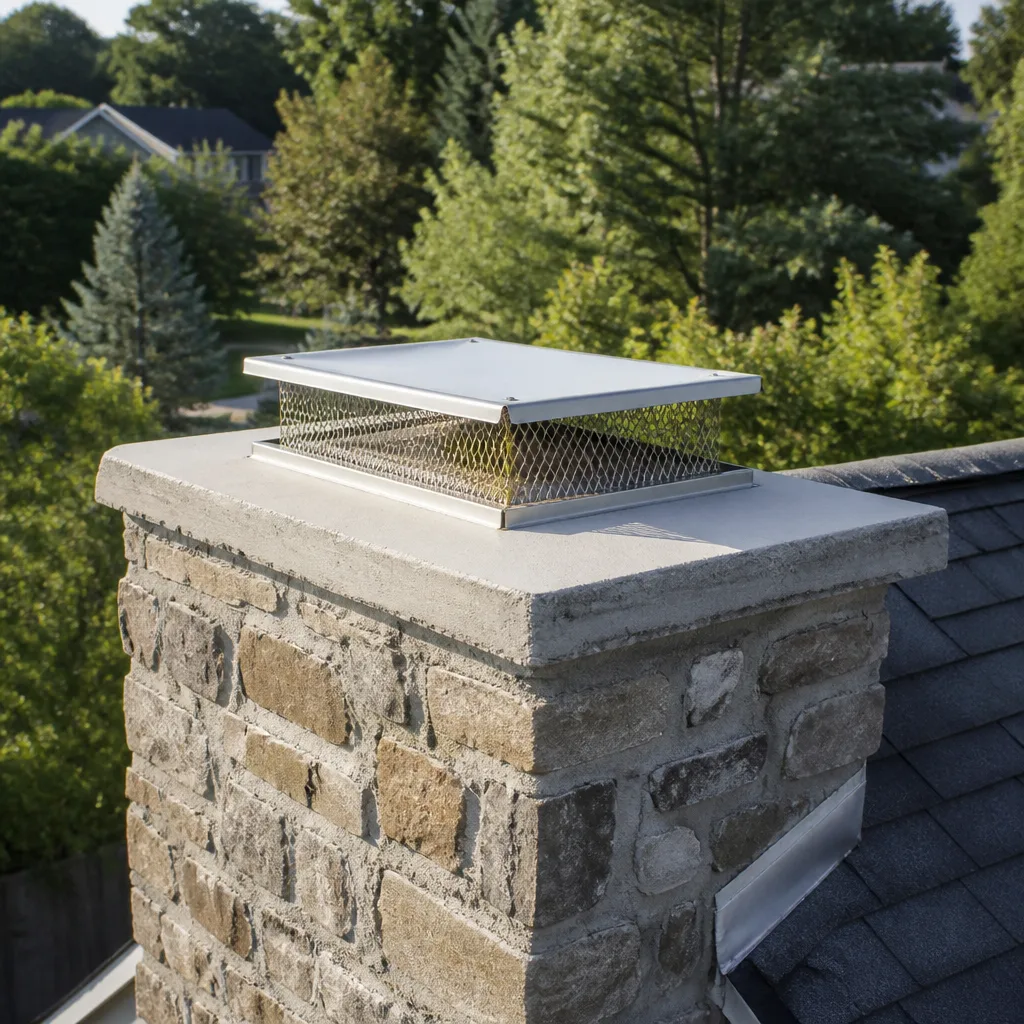
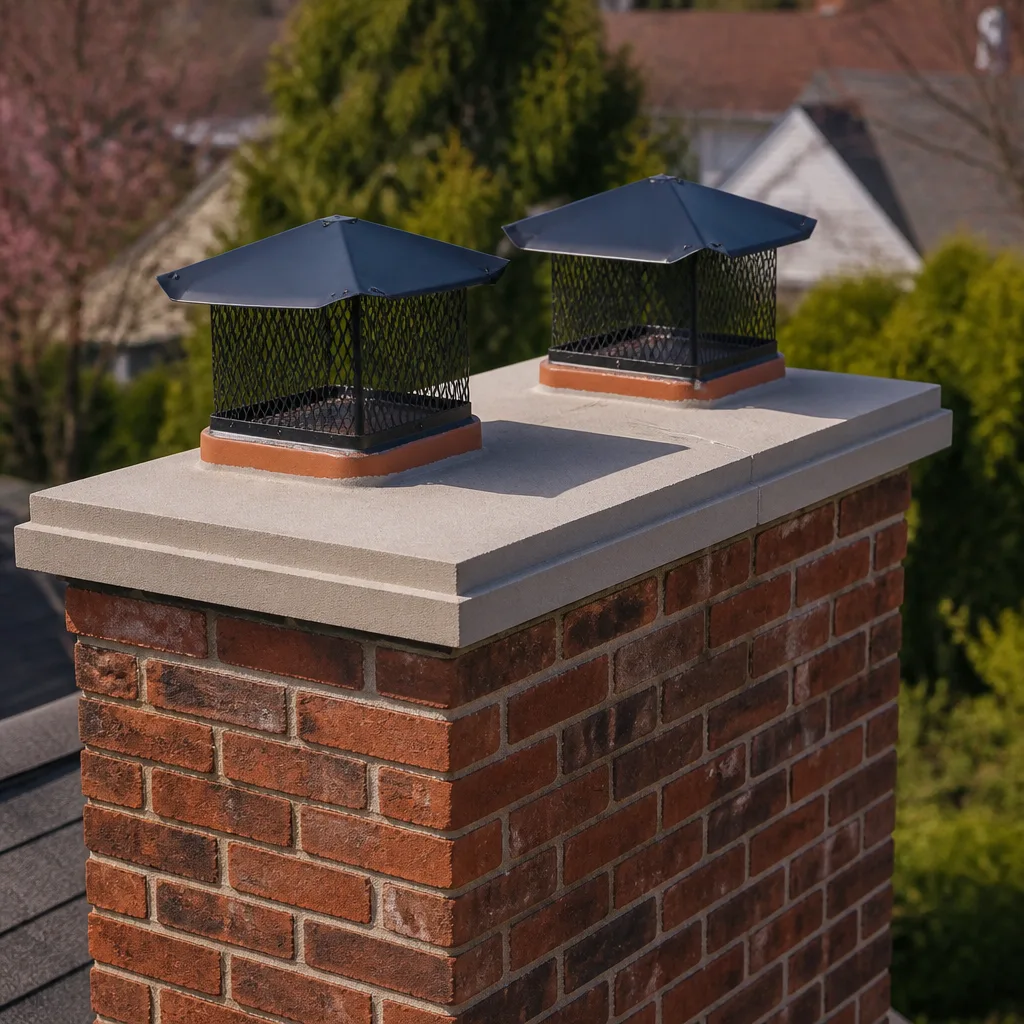
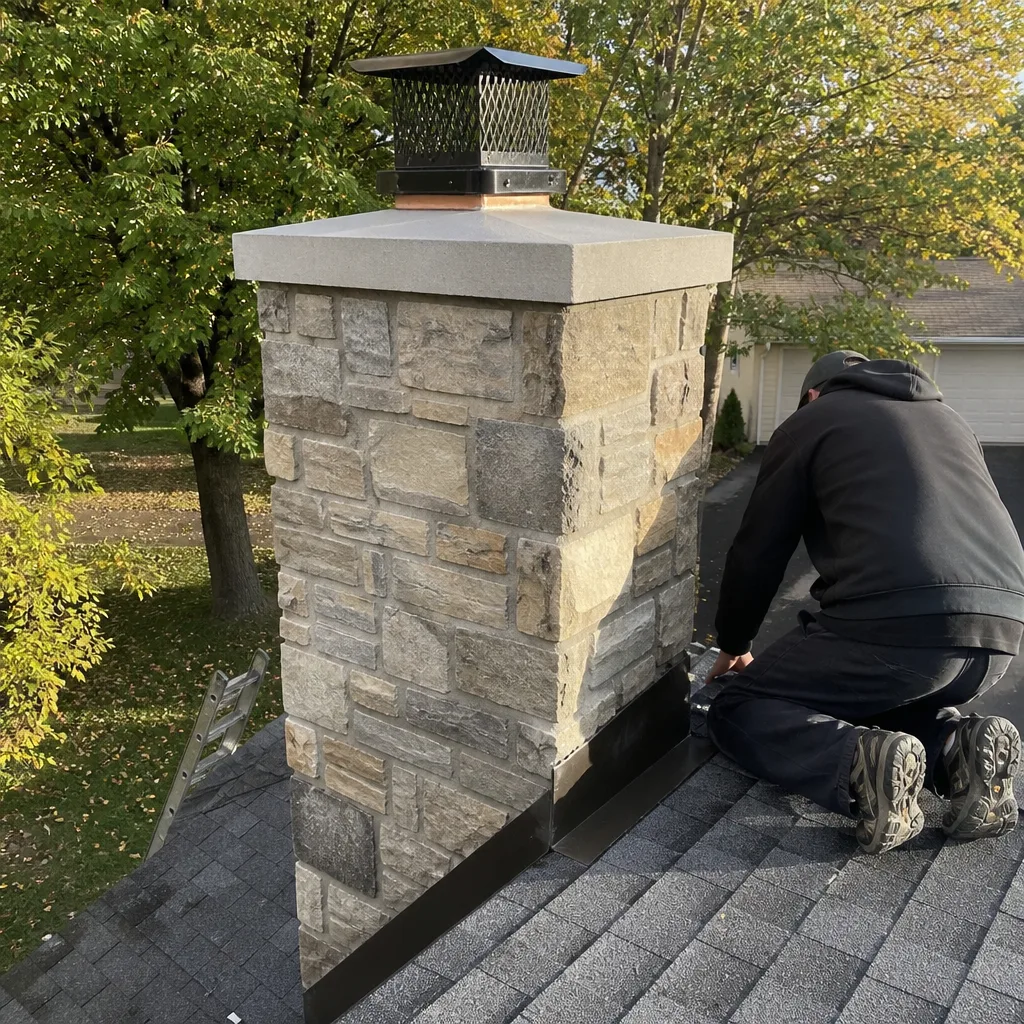
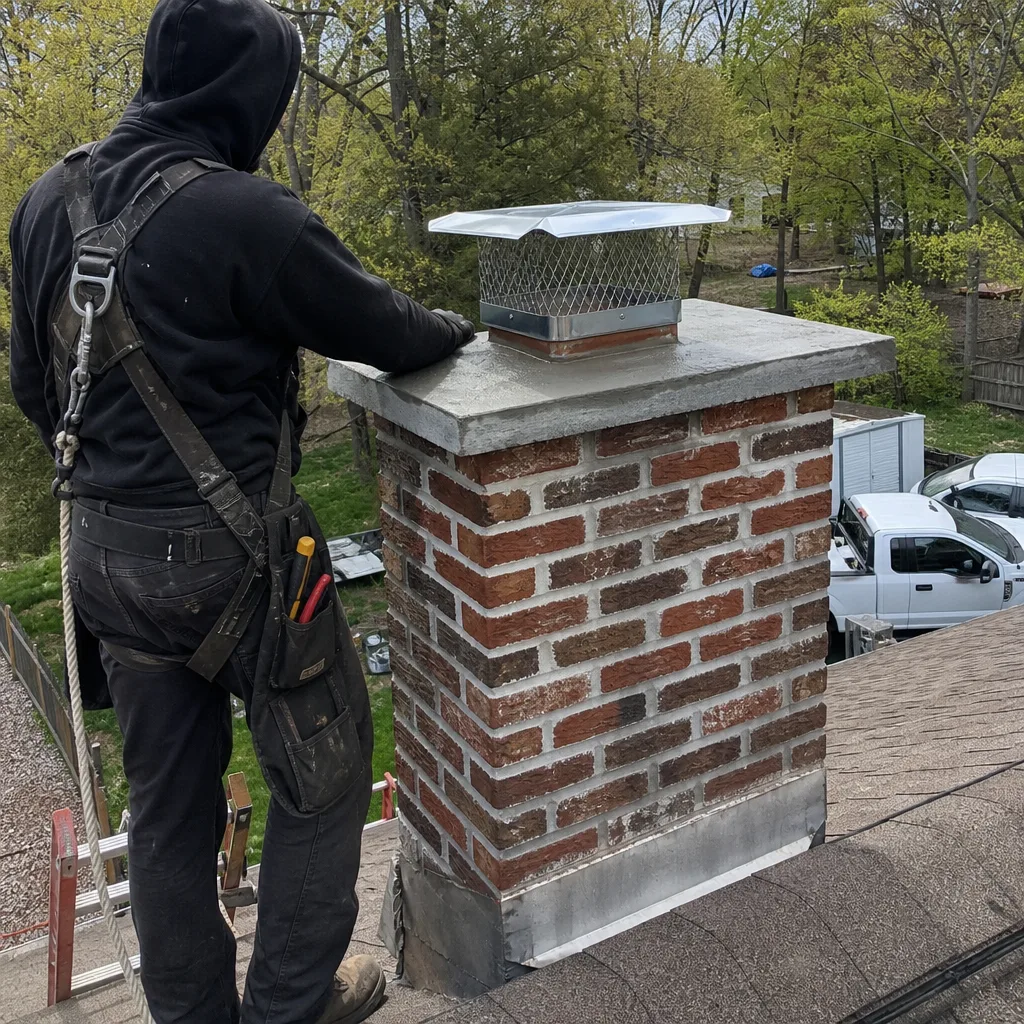
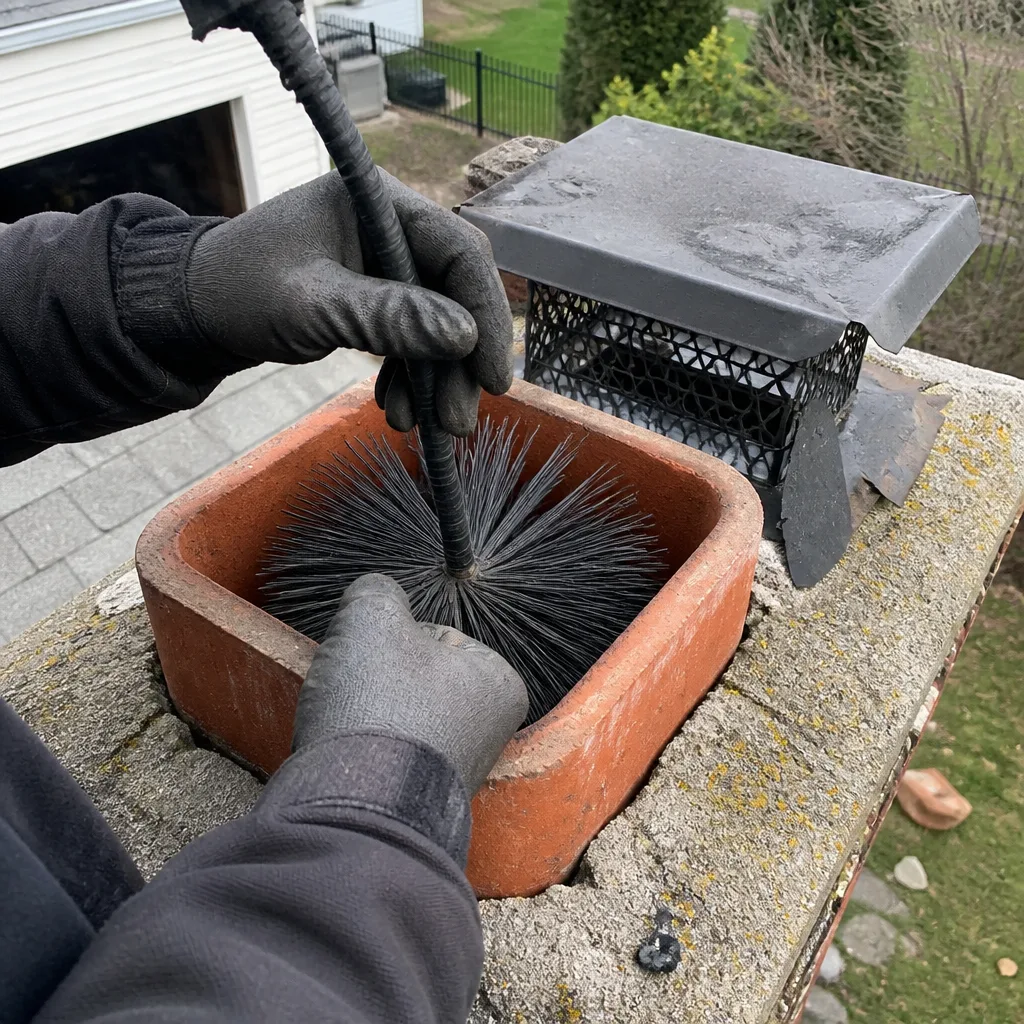
Level 1 sweep and inspection to the NFPA 211 annual standard - flue, crown, cap, and flashing checked and photographed
Chimney sweep logs do not sweep chimneys. They loosen some creosote - which then falls where a brush and vacuum still have to collect it.
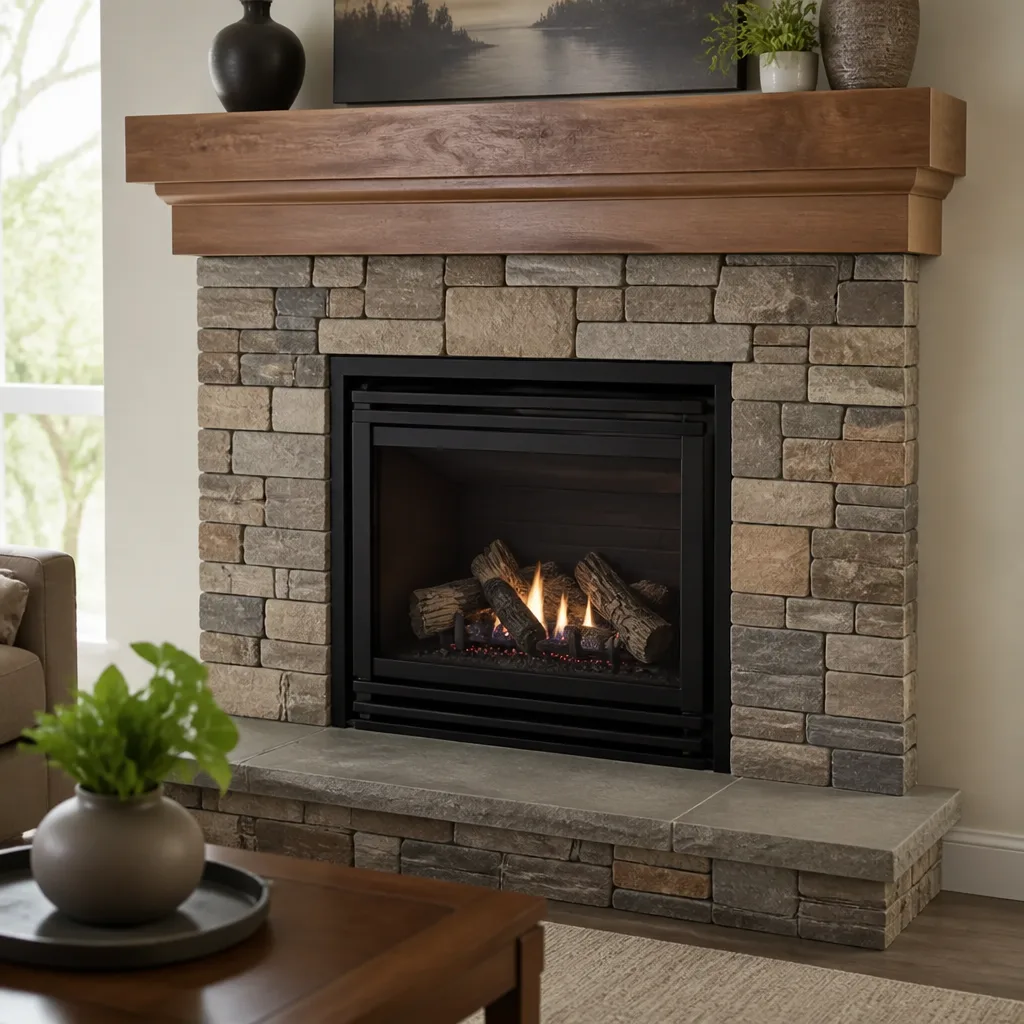
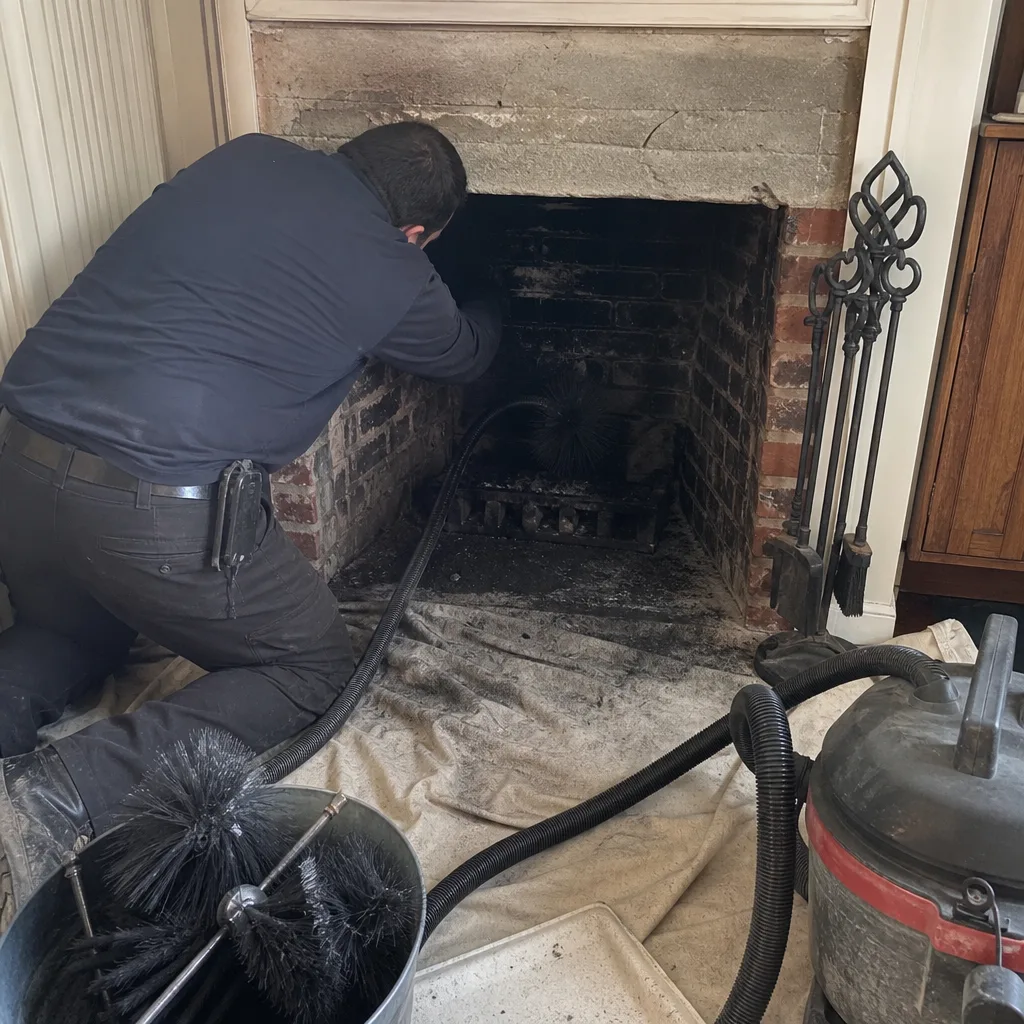 Before
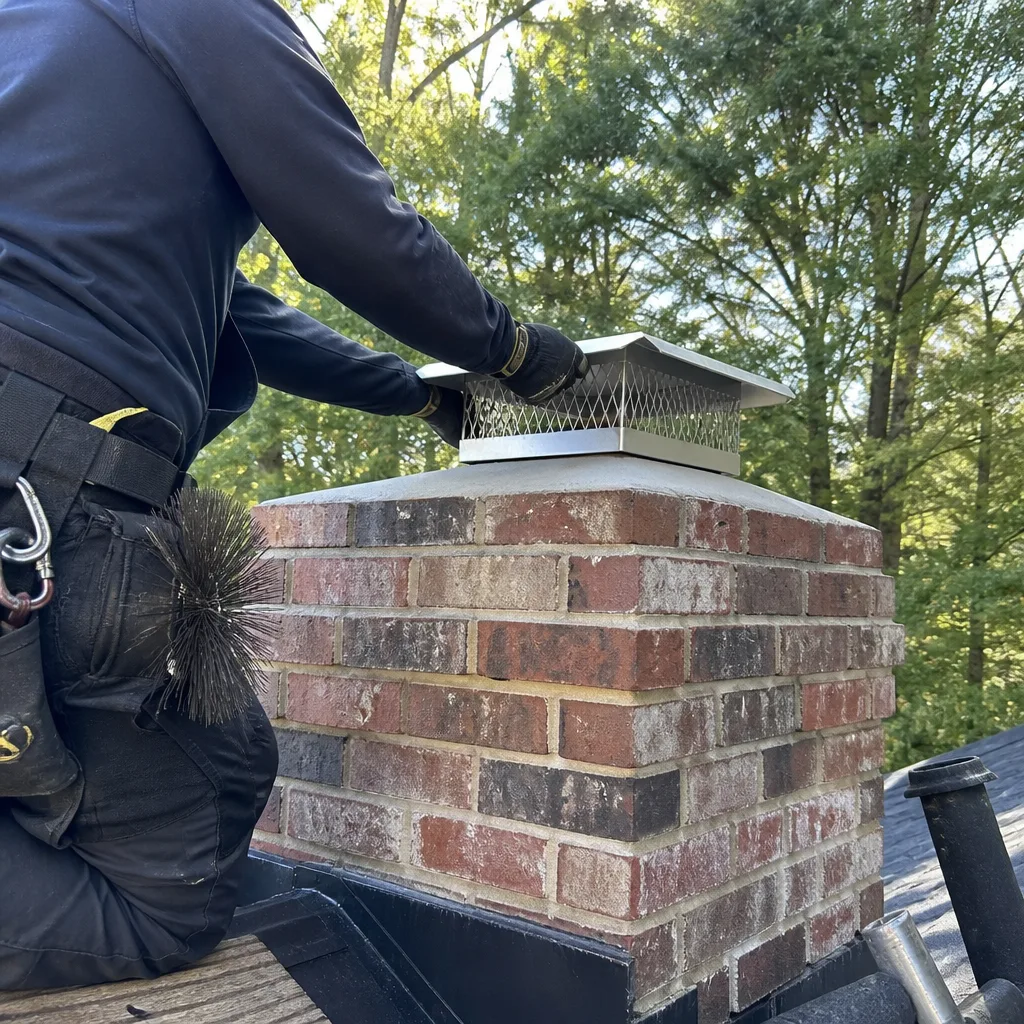 After
After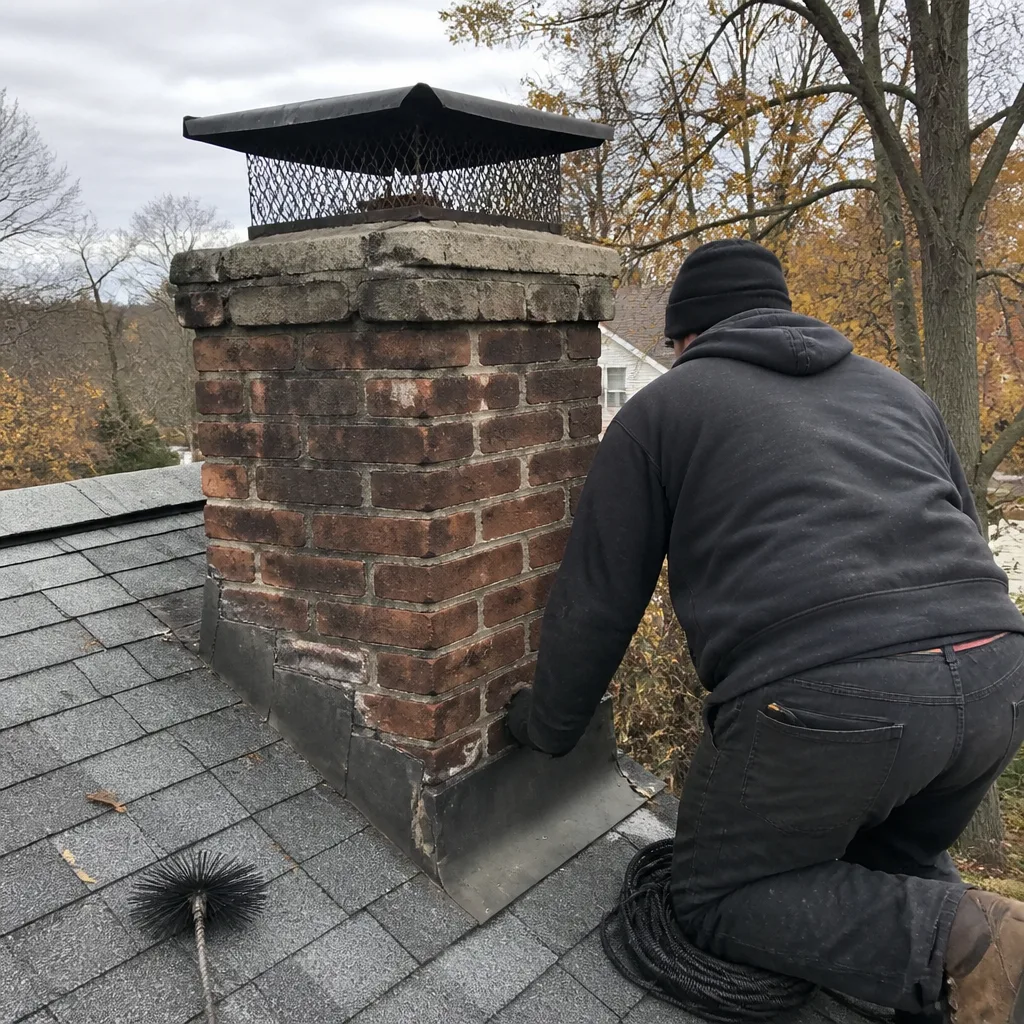 Before
 After
After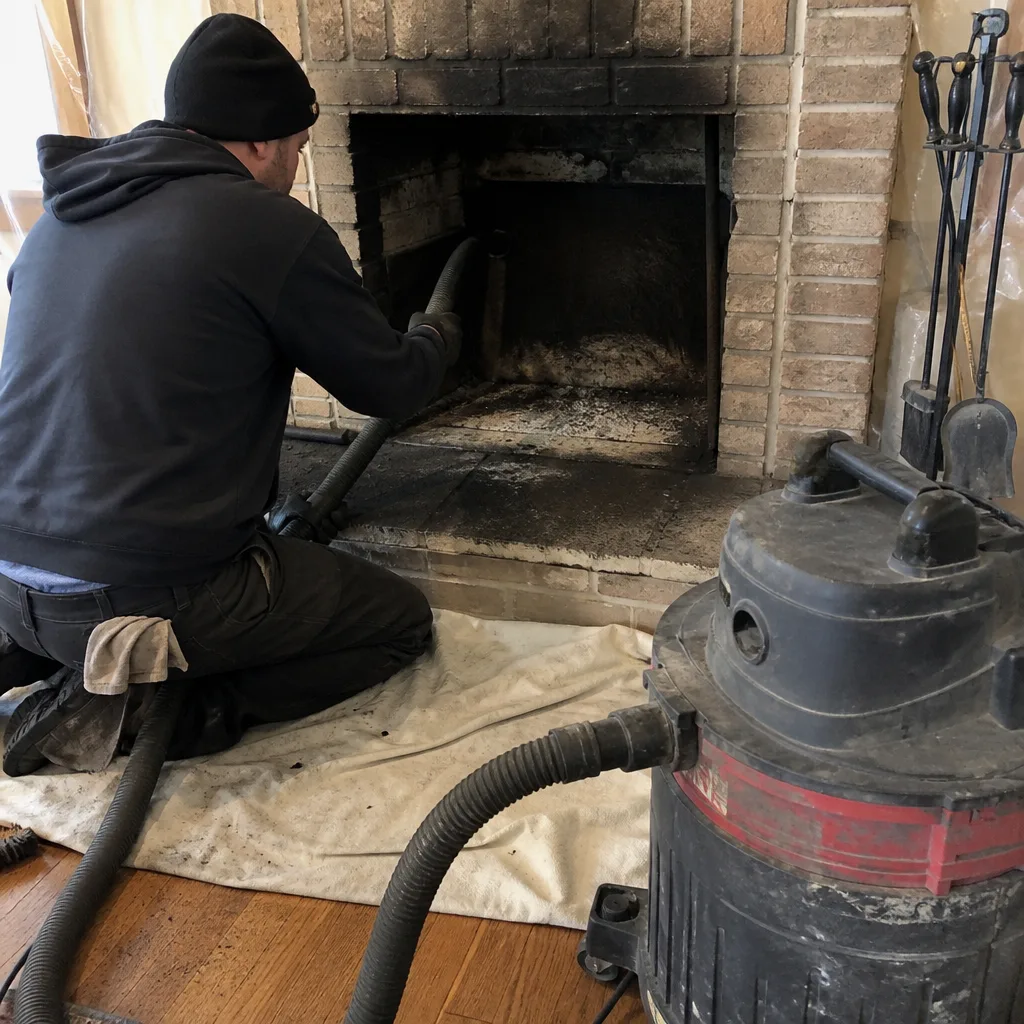 Before
 After
AfterGelco Damper Repair: The Collegeville Owner’s Guide
Gelco damper repair in Collegeville typically runs $280-$520 installed, depending on whether we’re replacing the throat plate, the handle assembly, or both. We stock Gelco-compatible parts on our Collegeville trucks, and most swaps are completed in under two hours once the inspection confirms the fit. Homeowners usually discover the failure on the first cold morning in October, when they pull the chain and the damper won’t open, or they notice a draft even when it’s supposedly closed.
Which Gelco Models This Applies To
Gelco manufactured throat dampers in two primary series: the standard G-series (G-100 through G-400) and the later EZ-Seal line with silicone compression gaskets. The G-series uses a cast-iron frame with a 5/16-inch pivot rod; the EZ-Seal switched to a 3/8-inch rod and a wider sealing surface. We see both in Collegeville homes, particularly the 1980s and 1990s builds near Perkiomen Creek where Gelco was a common builder-grade spec.
The part you need depends on three things: frame width (measured inside the throat, typically 24, 30, or 36 inches), pivot rod diameter, and whether your original was a top-seal or traditional plate design. The model stamp is usually visible on the handle bracket or the frame edge, though rust can obscure it after 20-plus Pennsylvania winters. OEM Gelco parts are no longer manufactured, so we source equivalent-grade replacements through our Haven buying network, matched to spec rather than badge. The critical gotcha: an EZ-Seal gasket retrofitted onto a G-series frame will bind and tear within a season because the sealing surfaces don’t align. We verify throat dimensions with a camera inspection before ordering any part.
Signs Your Gelco Damper Repair Is Failing
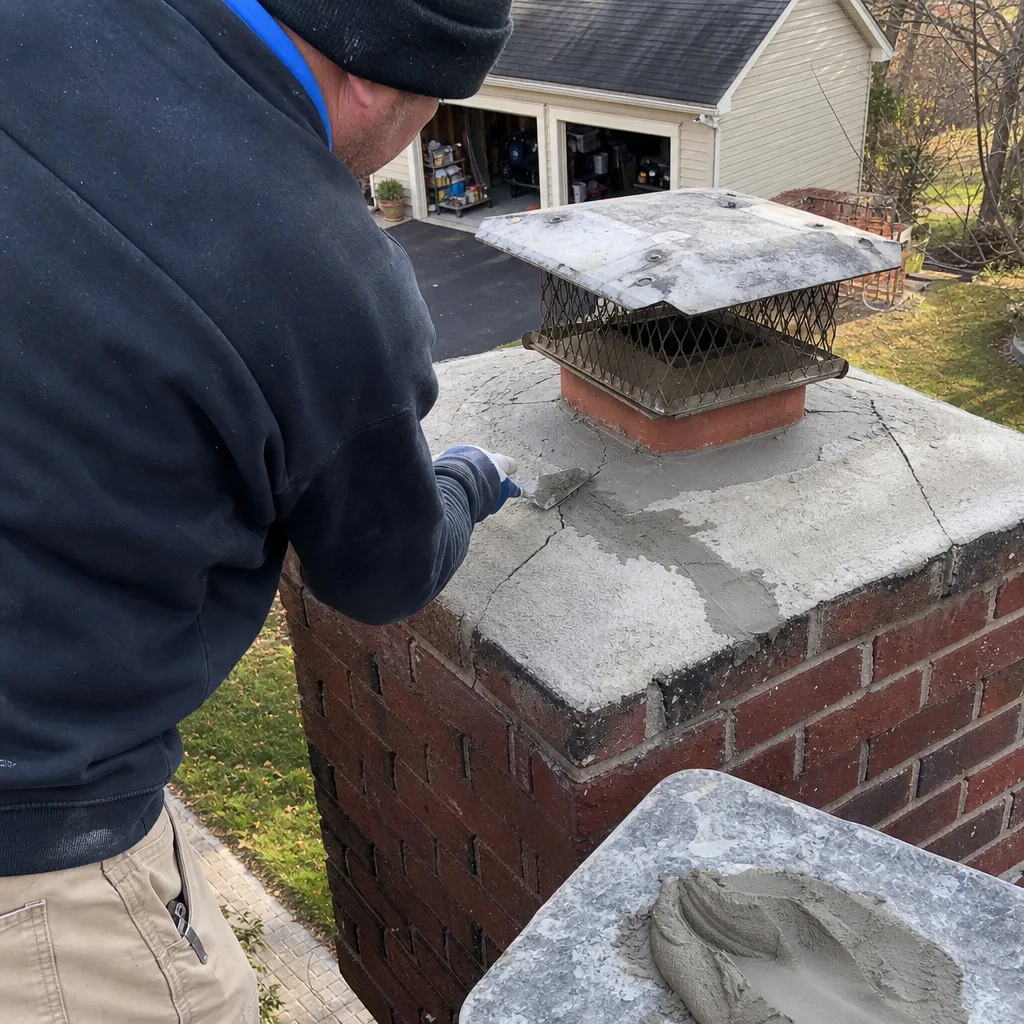
- The handle pulls but the plate doesn’t move. The pivot rod has corroded where it passes through the cast-iron frame, or the linkage pin has sheared. In Collegeville, we see this most often on units installed before 1995 that have weathered two decades of freeze-thaw cycling with the damper left partially open.
- You feel cold air dropping even when the damper is closed. The sealing plate has warped or the gasket has compressed beyond recovery. A smoke pencil test during our Level 2 inspection will show the leak path; the camera confirms whether the gap is uniform (warping) or localized (gasket failure).
- The plate is stuck fully open or fully closed. Creosote buildup has glued the edges to the frame, or the rod bearings have seized. This is common in fireplaces that burn unseasoned hardwood, which produces sticky Class II and III creosote that hardens across the plate edge.
- Rust flakes fall when you operate the handle. The cast-iron frame is spalling from the inside out. Once the frame surface starts shedding, the pivot bore will elongate and the plate will rack sideways until it jams completely.
- You smell smoke in the room during a fire. A partially open or misaligned damper is restricting draft while still allowing spillage. The NFPA 211 threshold for acceptable damper leakage is functionally zero during operation; anything less than full open or full closed is a fault condition.
BeforeAfterReplacement Cost & What’s Included
| Component | Price Range (Installed) |
|---|---|
| Handle/linkage assembly only | $280-$360 |
| Throat plate replacement (standard G-series) | $340-$460 |
| Throat plate replacement (EZ-Seal equivalent) | $380-$520 |
| Full frame and plate (severe rust/spalling) | $480-$720 |
The range reflects throat width, access difficulty (some Collegeville colonials have tight fireboxes with limited working room), and whether we need to remove the smoke chamber facing to extract the old frame. Every quote is written before work starts, per Haven Standard Clause 1. The price includes the NFPA 211 Level 2 camera inspection to confirm the diagnosis, the replacement part, labor, and a documented photo record under Clause 4. Warranty on damper work: 365-Day Done Right Promise, parts and labor.
DIY or Call Us?
There’s one safe check a homeowner can make: with the fireplace cold and no ash present, shine a flashlight up the throat and verify whether the plate moves when the handle operates. If it doesn’t, stop there.
What goes wrong with DIY: the pivot rod is under spring tension on most Gelco units, and releasing it without supporting the plate can drop cast iron onto the firebox floor or your hand. The throat sits above the smoke chamber, so you’re working overhead in a confined space with sharp refractory edges. We’ve been called to Collegeville homes where a homeowner removed the plate successfully but couldn’t seat the replacement squarely, leaving a gap that vented carbon monoxide into the living space during the next burn. The camera doesn’t lie, and neither does the written price. If you want to see exactly what failed before deciding on repair, we offer a free second opinion on any competitor’s written estimate. Call (610) 884-0366.
FAQs
Expect 15-25 years for the cast-iron frame, less if the fireplace is used as a primary heat source or if the damper is habitually left cracked open. Pennsylvania’s freeze-thaw cycle accelerates rust once the factory coating fails, which we typically see around year 12 on units installed in the 1990s.
Sometimes: a sheared linkage pin or detached handle chain is a straightforward repair. But a warped plate, spalled frame, or corroded pivot bore requires replacement; welding or grinding cast iron in the throat creates more problems than it solves. We document the condition with camera footage and give you a written price for both options when repair is viable.
Most Gelco damper replacements take 90 minutes to two hours from ladder set to photo record. Tight fireboxes or smoke chamber facing removal add 30-60 minutes. We text you the technician’s ETA that morning and again when they’re 15 minutes out.
We stock the three most common throat widths (24, 30, and 36 inches) in both standard and top-seal configurations, sourced through our Haven buying network from Gelco-equivalent manufacturers. Odd sizes or integrated top-mount dampers require a next-day pull, which we order only after camera confirmation of the exact spec.
Written by Corrine Halstead, Owner, Emberly Chimney Cleaners Collegeville at Emberly Chimney Cleaners Collegeville, serving Collegeville and nearby areas.