
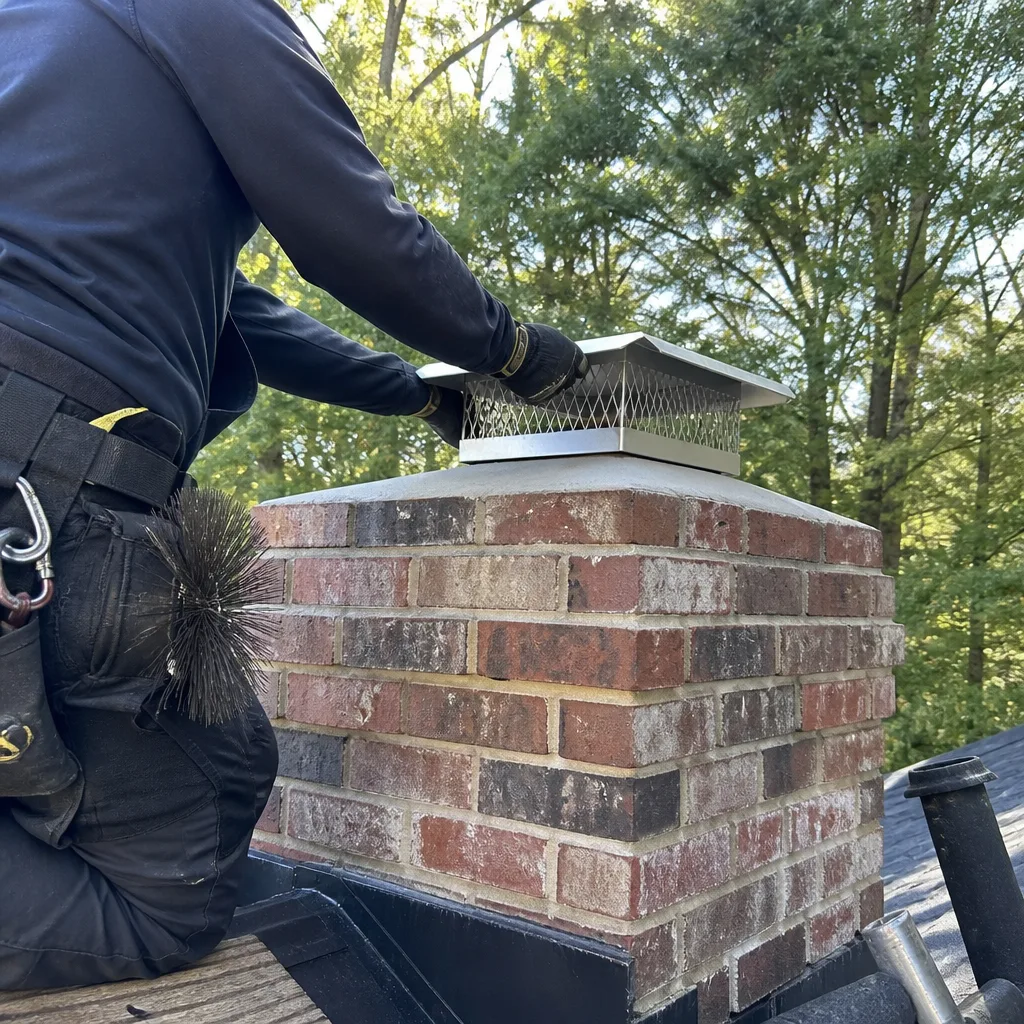
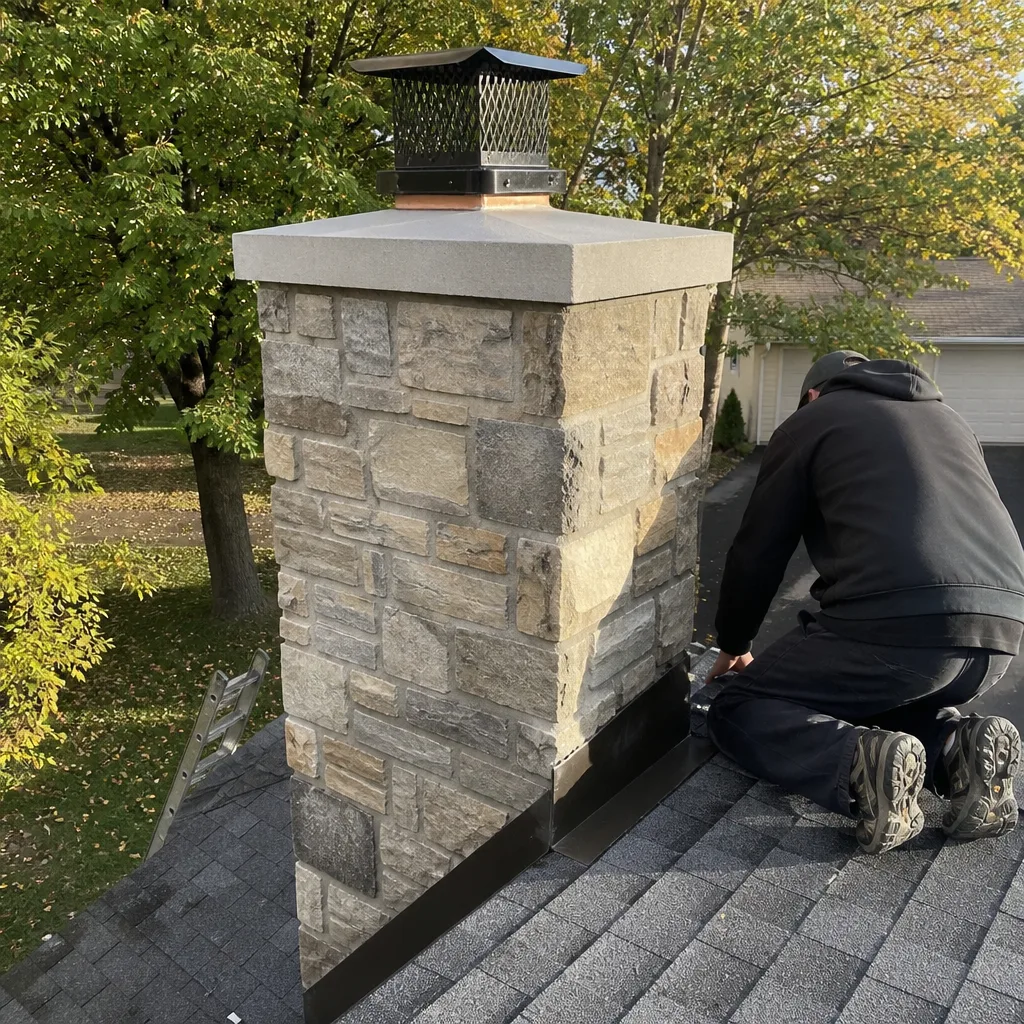
Level 1 sweep and inspection to the NFPA 211 annual standard - flue, crown, cap, and flashing checked and photographed
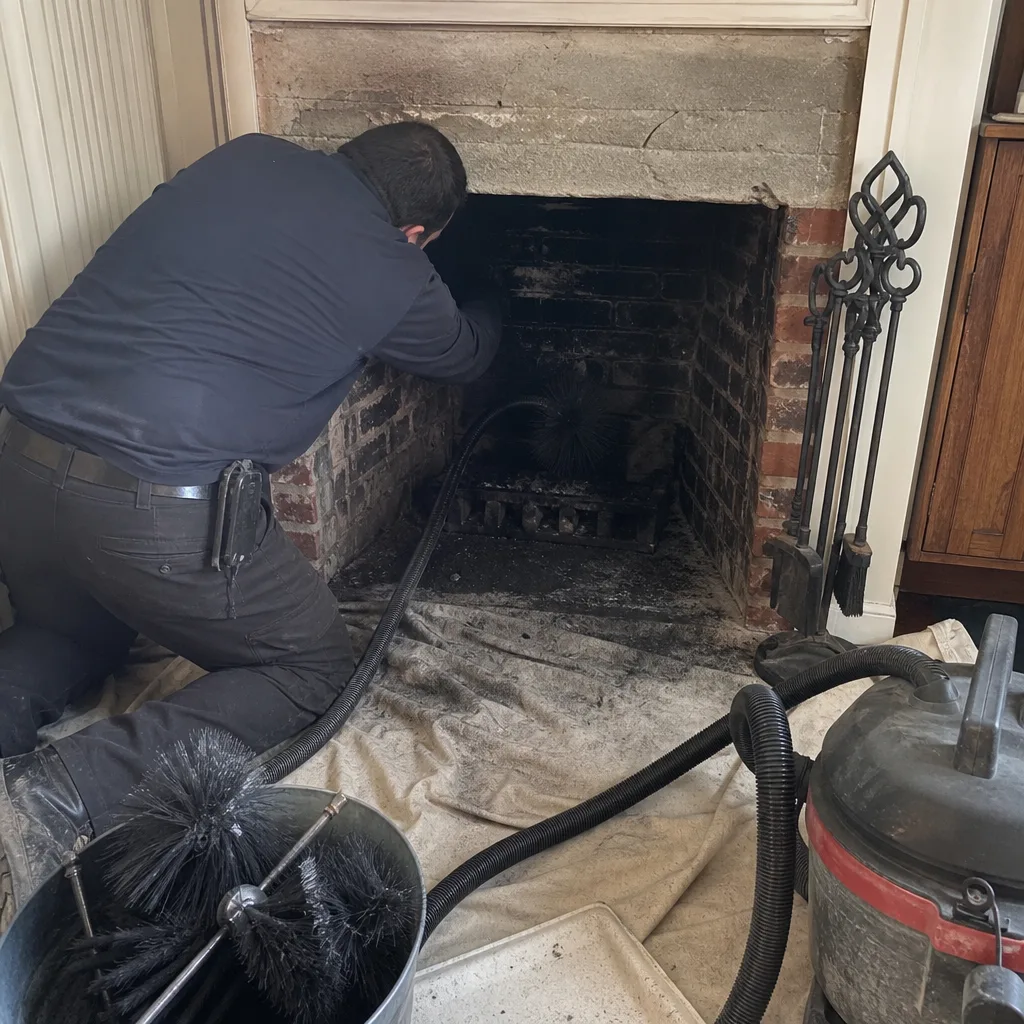
Chimney sweep logs do not sweep chimneys. They loosen some creosote - which then falls where a brush and vacuum still have to collect it.
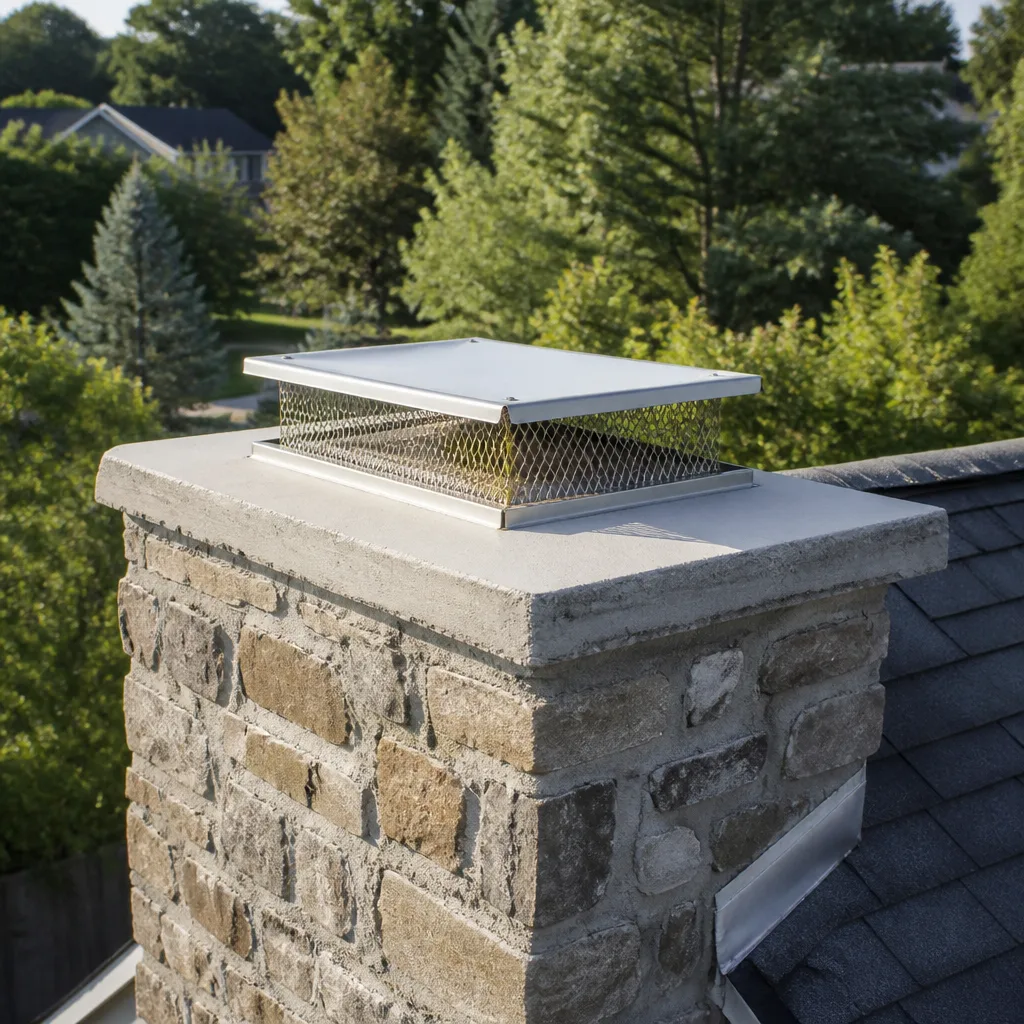
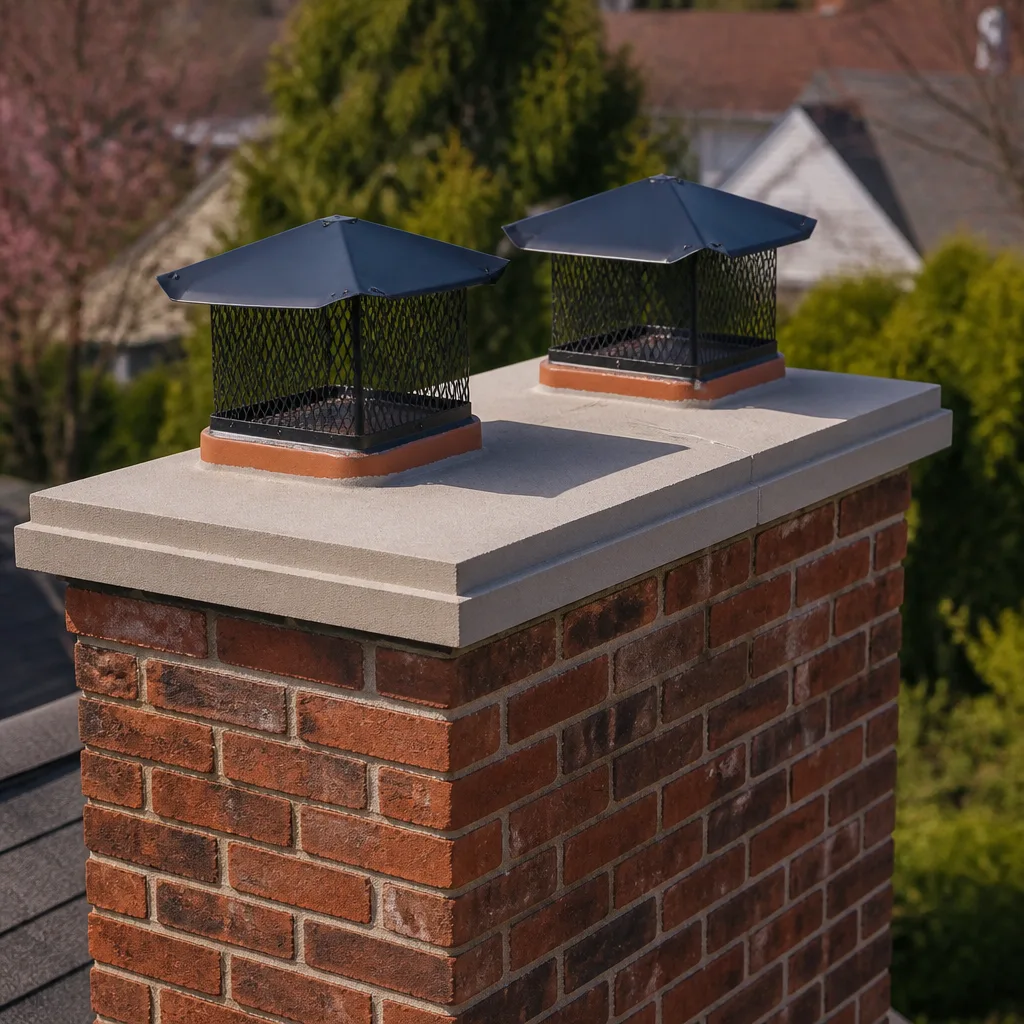
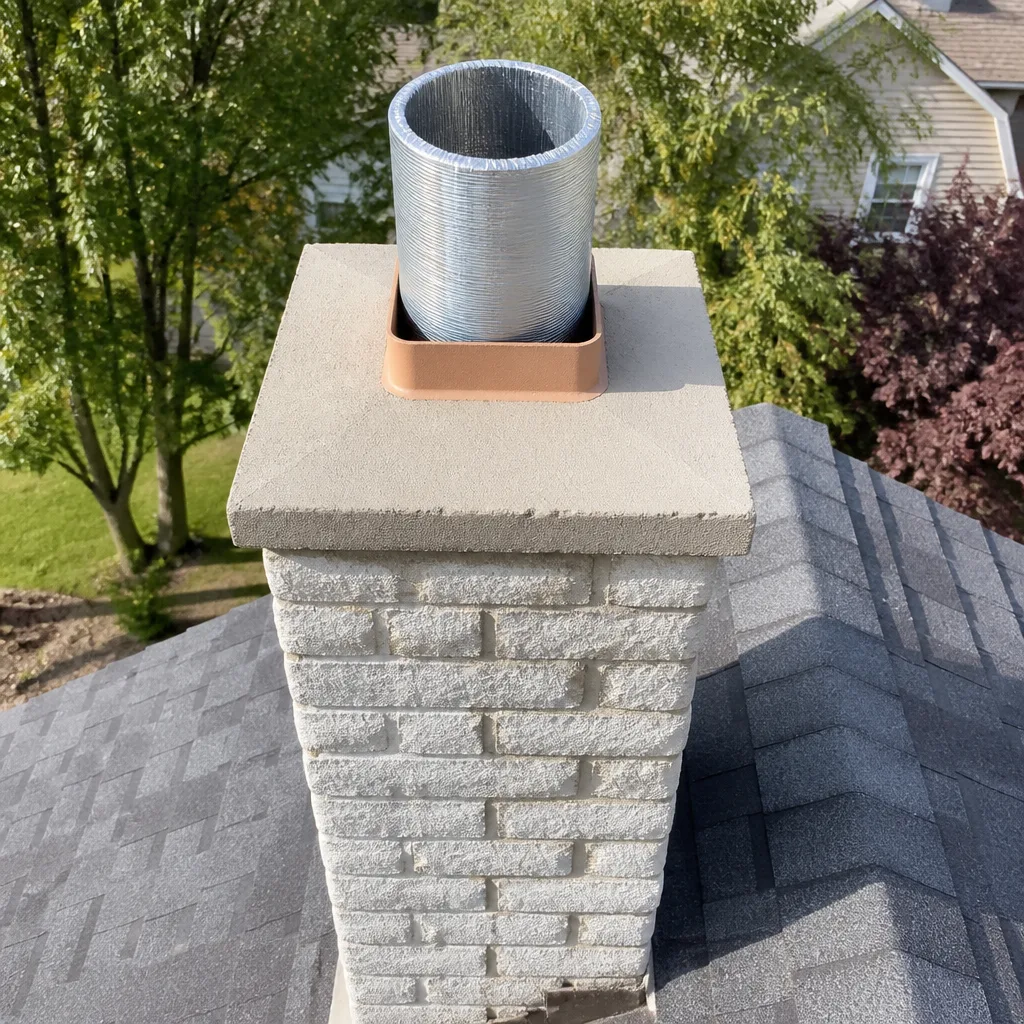
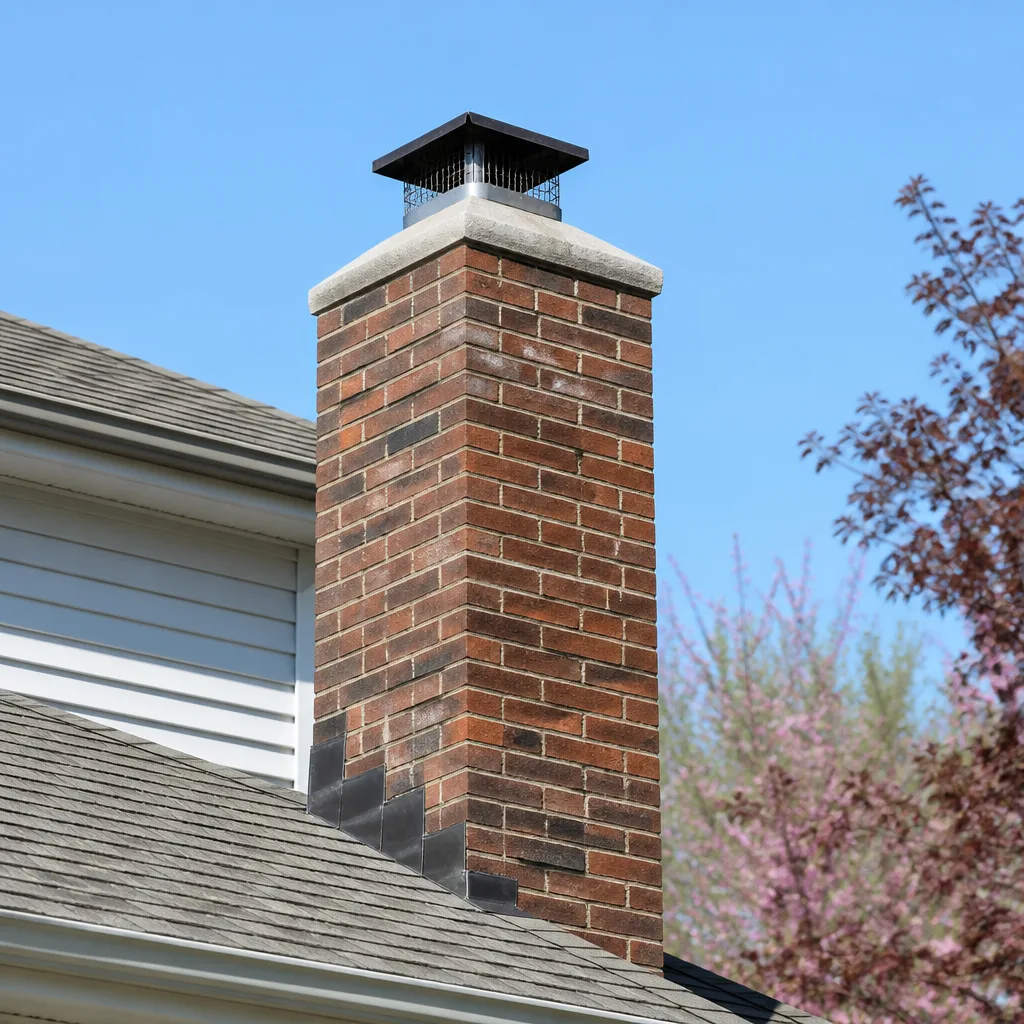
 Before
 After
After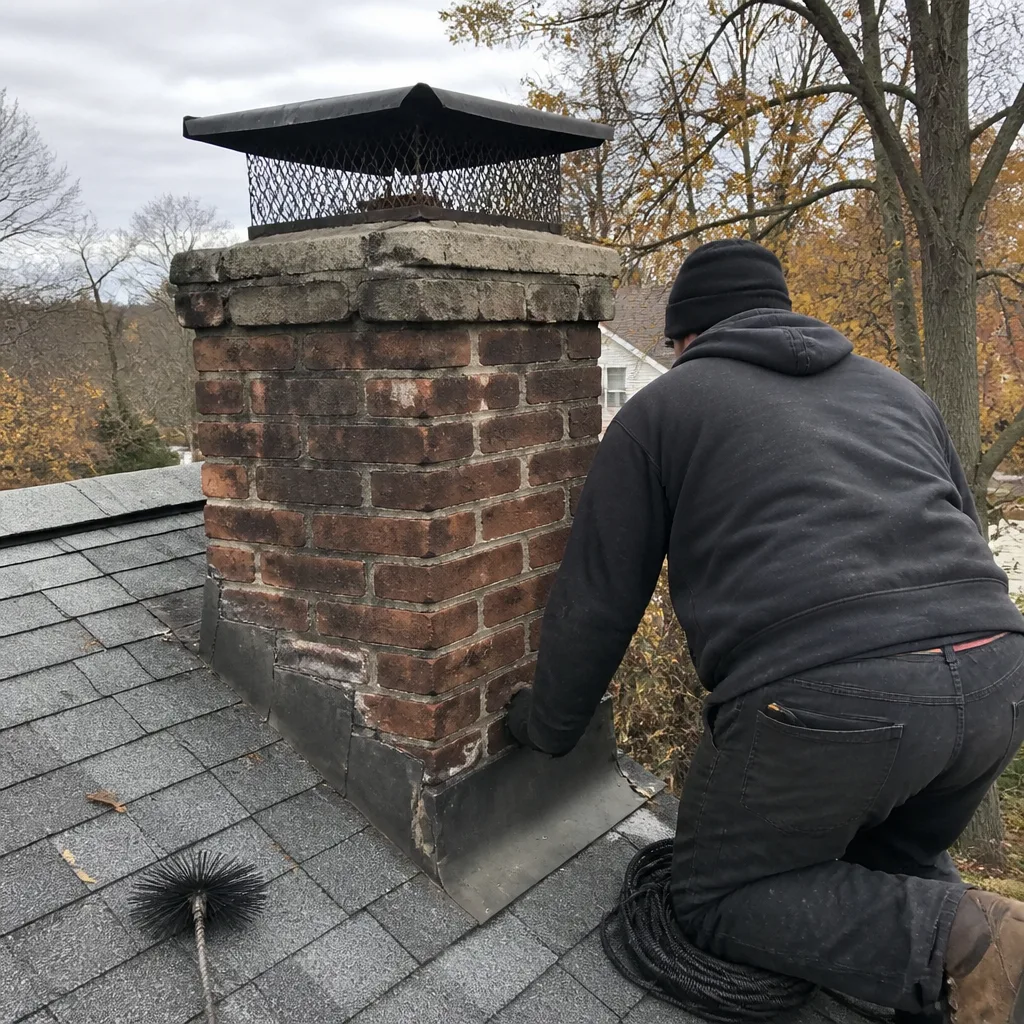 Before
 After
After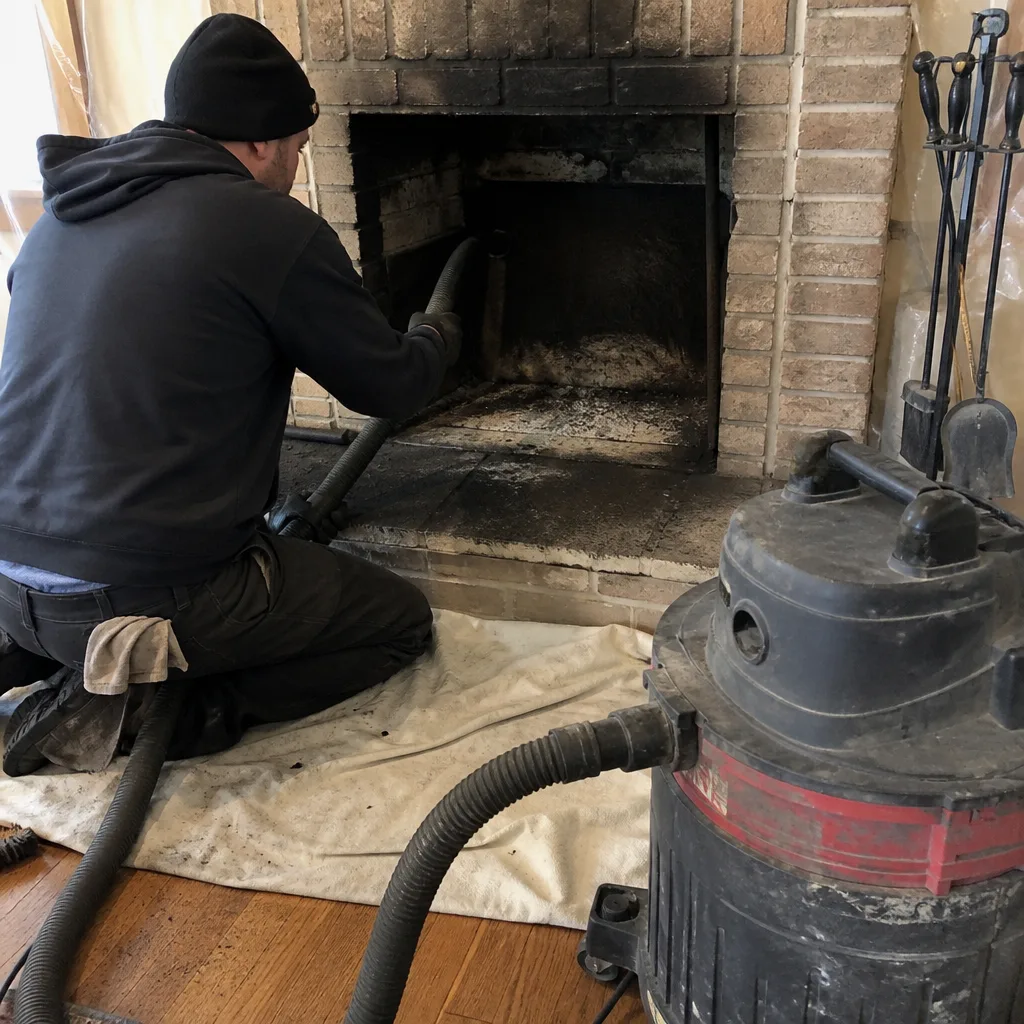 Before
 After
AfterSpalling Brick Repair in Collegeville, PA
Spalling brick repair in Collegeville typically runs between $400 and $2,200, depending on how far the damage has spread and whether the mortar joints need Mortar Repointing alongside the brick replacement. Most jobs on a single chimney face are completed in one visit, with a written price and written scope delivered before anyone touches the masonry.
If you’ve noticed chunks of brick face breaking off your chimney, reddish-orange grit collecting on the roof or in the gutters, or brick faces that look like they’re peeling in thin layers, that’s spalling – and it moves fast once it starts. Collegeville’s freeze-thaw cycle does a number on older chimneys. Moisture works its way into the brick face, freezes and expands in winter, and by spring you’ve got structural damage that shows up as crumbled faces or whole brick sections pushing out of the stack.
At Emberly Chimney Cleaners Collegeville, we start every spalling brick visit with a camera-scan inspection under NFPA 211 Level 2 standards – the same documented process we’ve run on every chimney since 2009. That means you know the full extent of the damage before a written price is placed in front of you. No estimate that grows once the work has started. Our Chimney Repair in Collegeville page covers the full range of masonry services we handle, but if spalling is what brought you here, you’re in the right place. Call us at (610) 884-0366 – a live person answers, any hour.
When You Need Spalling Brick Repair
- Brick faces crumbling or flaking off the chimney stack. If you can see the tan or gray inner core of a brick where the red face used to be, the spalling process is already underway. Left alone, the inner brick becomes exposed to direct weather and deteriorates much faster.
- Grit or brick dust accumulating on the roof, in gutters, or on the ground below the chimney. Homeowners in Collegeville’s older neighborhoods – Graterford Road corridor, Providence Road, the colonial-era homes near the Perkiomen Trail – often notice this first in the spring after a hard winter.
- Visible gaps or voids between bricks where mortar has washed out. Spalling and mortar deterioration usually travel together. Once the mortar joint is gone, water has a direct path into the brick, and the cycle of freeze-thaw damage accelerates.
- Bowing or bulging sections of the chimney exterior. When water freezes deep inside the masonry, it can push whole brick courses out of alignment. This is a structural concern, not just a cosmetic one, and it needs to be assessed before the next heating season.
- Staining, efflorescence (white mineral deposits), or dark moisture streaks on the chimney face. These are early warning signals. Efflorescence is water carrying salts through the masonry to the surface – it means the brick is already saturated more often than it should be.
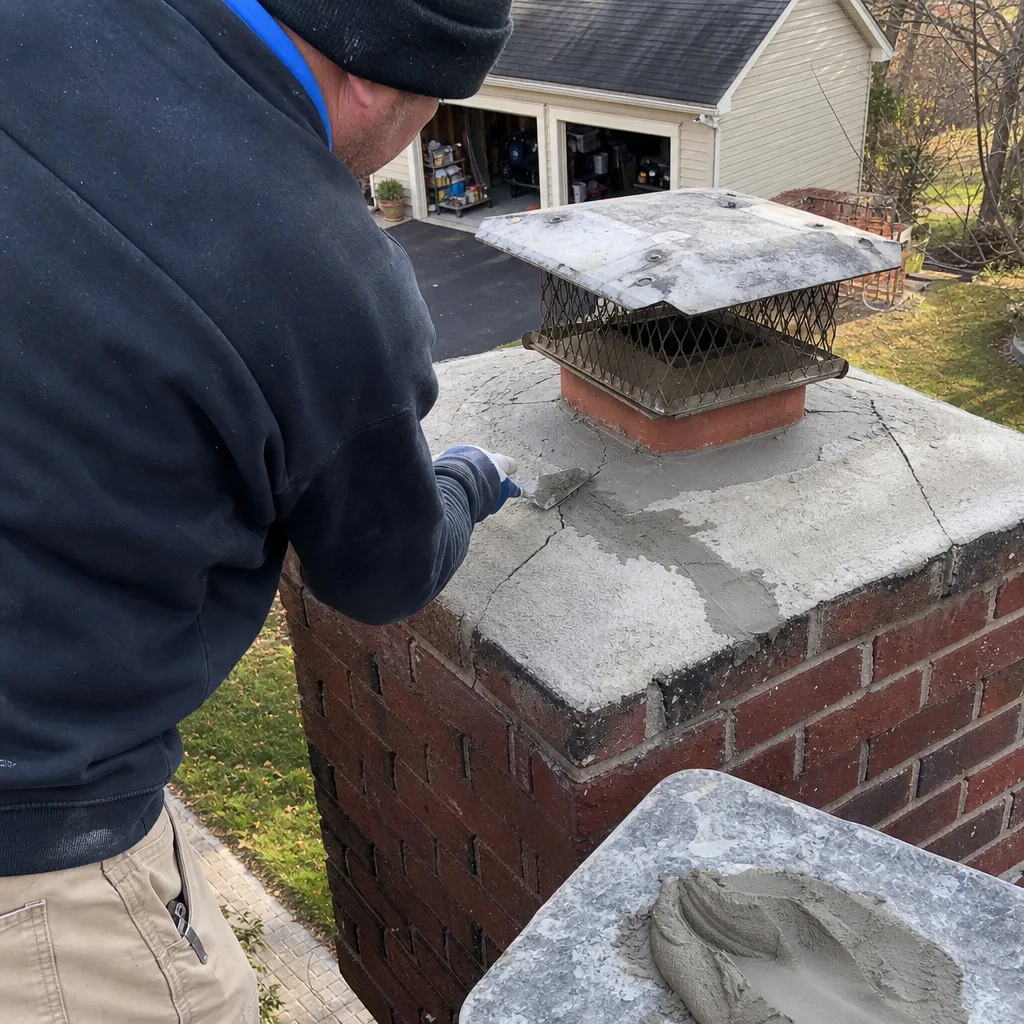
- A chimney crown that is cracked or missing entirely. In Collegeville, we see this combination constantly: spalled brick on the upper courses paired with a failed crown that has been directing water straight down the stack for years. Fixing the brick without addressing the crown means the damage returns.
Our Spalling Brick Repair Process
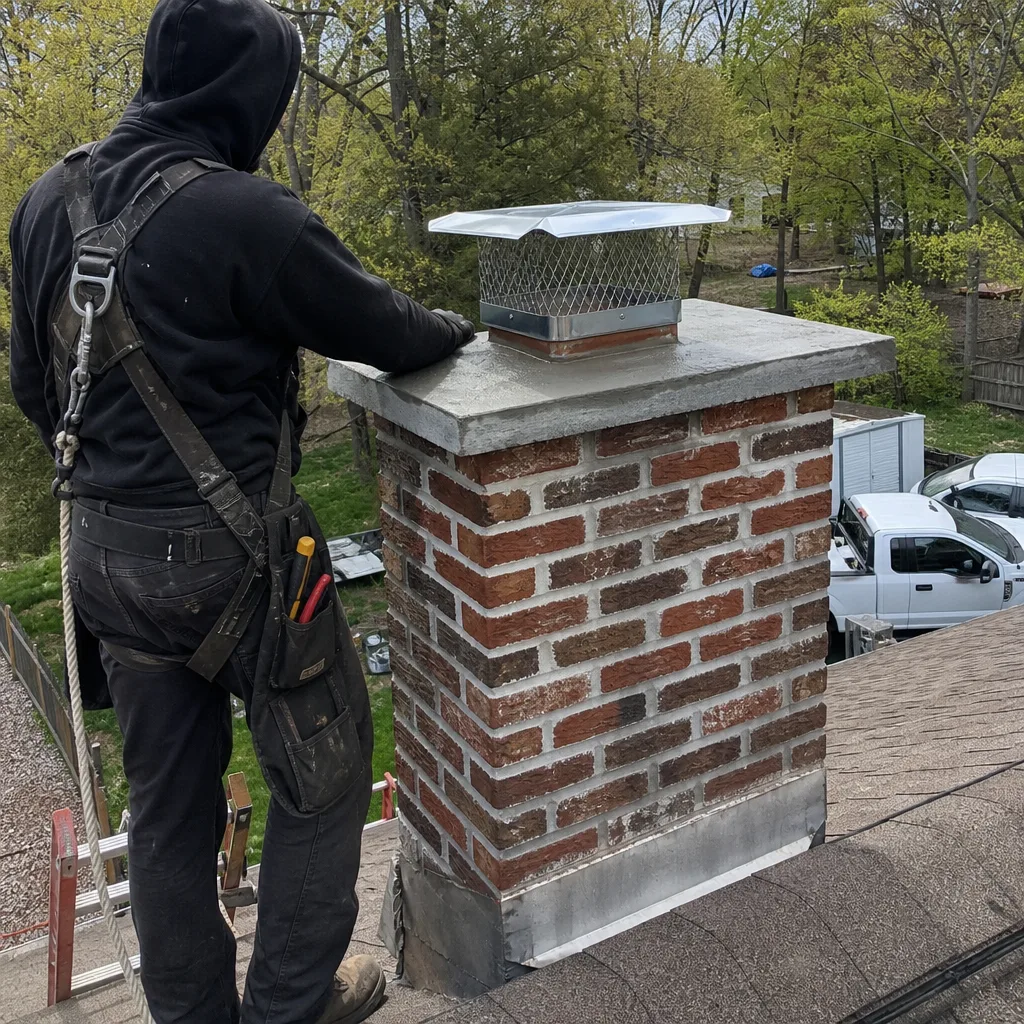
- Camera-scan inspection and written documentation. Every visit starts with an NFPA 211 Level 2 camera scan – flue liner, smoke chamber, firebox, and exterior masonry. We photograph the spalling damage in detail: which courses are affected, how deep the deterioration runs, and whether the damage is isolated or working its way down from the crown. You get a written photo record before we quote anything. This is Clause 4 of the Haven Standard, and it’s been our default since 2009 – not something we added because an insurer asked.
- Written price, written scope, written warranty – before work begins. Once the inspection is documented, we put a flat price on paper: exactly which bricks are being replaced, what mortar mix will be used, whether any flashing or crown work is included, and what the 365-Day Done Right Promise covers on this job. Haven Standard Clause 1 – you have it in writing before anyone picks up a trowel. No revisions once the tech is already set up on your roof.
- Careful removal of damaged brick and compromised mortar. We remove only what’s structurally compromised – not a square foot more. Spalled brick faces and deteriorated mortar joints are cut out cleanly to create a sound surface for the new material to bond to. This step matters more than most people realize: patching over soft or crumbling substrate is what causes premature repairs to fail.
- Replacement brick and mortar match to the existing masonry. Color, texture, and mortar joint profile all get matched as closely as the existing chimney allows. For Collegeville chimneys built in the 1950s through 1980s – common in the developments off Route 29 and along Second Avenue – this typically means a buff or gray mortar blend with a standard raked joint. We source material through Haven’s buying network, which keeps costs honest without cutting corners on material grade.
- Repointing any adjacent deteriorated mortar joints. It doesn’t make sense to replace a spalled brick and leave the mortar joints on either side of it in poor condition. We repoint the surrounding courses during the same visit so the repair holds up as a system rather than as an isolated patch.
- Waterproofing application and final photo documentation. Where the chimney is a good candidate for a penetrating water repellent – typically older brick that is porous but structurally sound – we apply a vapor-permeable sealant that lets the masonry breathe while blocking liquid water intrusion. The job closes with a final photo set, added to your file under Clause 4 of the Haven Standard, so you have a documented record of the condition before and after.
BeforeAfterSpalling Brick Repair Pricing in Collegeville
Spalling brick repair in Collegeville runs $400 to $2,200 for most residential chimney jobs. Here’s how the work breaks down in practice:
| Scope of Work | Typical Range |
|---|---|
| Minor spalling: 1-10 bricks, upper course only | $400 – $650 |
| Moderate spalling: 10-25 bricks, 1-2 chimney faces | $650 – $1,100 |
| Extensive spalling: 25+ bricks or multiple courses | $1,100 – $2,200 |
| Repointing (mortar joint repair), added to brick work | $300 – $800 depending on lineal footage |
| Waterproofing application (penetrating sealant) | $150 – $350 |
| Crown repair or replacement (if found during inspection) | $250 – $900 |
A few things push the cost toward the higher end of that range. Chimney height matters – a two-story Collegeville colonial with a full two-story chimney stack costs more to stage safely than a ranch-style home off Graterford Road. Brick availability matters too: matching older handmade or clinker brick from pre-1960 construction sometimes requires sourcing from specialty suppliers, which adds a modest material premium. And if the inspection reveals that flashing has failed alongside the spalling – which is common when the chimney hasn’t been inspected in several years – that’s a separate line item, quoted separately and clearly.
What doesn’t change: the written price comes before the work starts, not after. If you’ve already received a written estimate from another company and want a free second opinion, bring it in. We’ll review it at no charge and tell you exactly how our scope and price compare.
Call (610) 884-0366 to schedule an inspection. The estimate is free, and a live person will answer.
Why Collegeville’s Climate Is Harder on Brick Than You’d Think
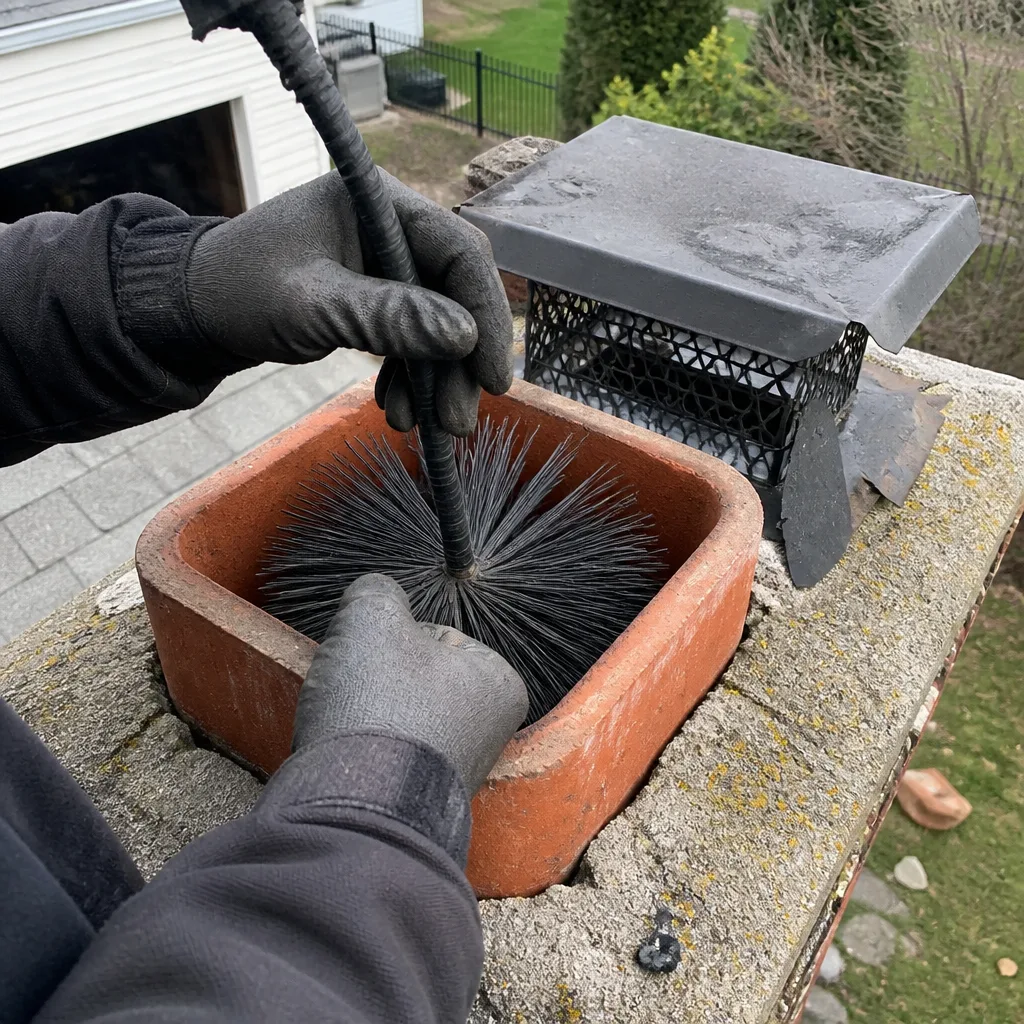
Montgomery County sits in a weather band that gets genuine winters without the consistent cold of upstate New York or New England. That means Collegeville chimneys cycle through freeze and thaw repeatedly across a single season rather than freezing hard and staying frozen. A chimney in February can go from 12 degrees overnight to 45 degrees by afternoon, and that cycle – repeated 30 or 40 times per winter – is exactly what drives moisture-saturated brick to spall.
The Perkiomen Creek valley, which runs through the eastern edge of Collegeville, also creates localized moisture conditions. Homes on the lower streets near the trail or near the creek see higher average humidity levels against their masonry than homes on the higher ground off Route 113. We notice this in the inspection records: spalling on creek-adjacent properties tends to appear on lower chimney courses as well as the cap area, because moisture is working upward from saturated soil and inward from ambient humidity – not just downward from rain.
Brick chimneys built in Collegeville between 1955 and 1980 are the most vulnerable. That era of brick construction used softer brick formulations than modern masonry, and the original mortar – often a high-lime mix – has typically exceeded its useful life by now. When we see a chimney from that period, we’re looking carefully at both the brick face hardness and the mortar joint depth before putting a number on the repair.
What Happens If Spalling Is Left Alone
Spalling isn’t a cosmetic problem that stays cosmetic. Once the hard outer face of a brick breaks off, the inner material is porous and soft – it absorbs water at a far higher rate. Each winter accelerates the damage to the exposed courses. Within two to three seasons of visible spalling, it’s common to see whole brick sections loosening, mortar joints washing out completely, and in serious cases, the chimney stack leaning slightly out of plumb as courses shift.
Water that enters through spalled brick and failed mortar joints doesn’t stop at the exterior. It works its way into the smoke chamber and flue liner. We’ve pulled camera footage in Collegeville where significant interior flue tile cracking traced directly back to exterior masonry that had been spalling for several years without repair. The repair cost for a compromised flue liner starts around $900 for HeatShield resurfacing and goes to $3,500 or more for a DuraFlex liner installation – substantially more than addressing the spalling when it first appears.
The broader home impact matters too. A deteriorating chimney stack can allow water into the attic framing and ceiling below the firebox chase, which moves the problem from a masonry repair into a general contractor conversation. Catching spalling early keeps the solution in the masonry trades where it belongs.
Key Takeaways
- Spalling brick repair in Collegeville costs $400 to $2,200 for most residential jobs, with the final number determined by brick count, chimney height, and whether repointing or crown work is needed alongside.
- Every job starts with a camera-scan inspection and ends with a written photo record – you know the full damage before any price is named.
- Collegeville’s freeze-thaw cycle and the moisture conditions near the Perkiomen Creek valley make masonry maintenance more pressing here than in drier inland climates.
- The 365-Day Done Right Promise applies to every spalling repair we complete – if it’s not right, we make it right.
- A written price, written scope, and written warranty are on paper before any work begins. No revisions after the fact.
- If you already have a written quote from another company, we’ll give you a free second opinion at no charge.
FAQs – Spalling Brick Repair
How much does spalling brick repair cost in Collegeville, PA?
Spalling brick repair in Collegeville runs between $400 and $2,200 for most residential chimney jobs. Minor damage to 10 or fewer bricks on the upper course typically falls in the $400-$650 range. Repairs covering multiple faces or more than 25 bricks move toward the $1,100-$2,200 range, especially when our Chimney Repair services include repointing alongside the brick replacement. We put an exact written price in front of you after the inspection – before any work starts. Call (610) 884-0366 to schedule a free inspection and estimate.
Is spalling brick a structural problem or just cosmetic?
Spalling is a structural problem, not a cosmetic one – though it looks cosmetic at first. Once the hard outer face of a brick breaks off, the softer inner material absorbs water rapidly, accelerating further deterioration with each freeze-thaw cycle. If whole courses are affected or the damage has reached the mortar joints, the chimney stack itself can begin to shift. Our camera-scan inspection documents how far the damage has progressed into the masonry before we quote the repair, so you know exactly what you’re dealing with.
Can you match the existing brick color and mortar when you do the repair?
Yes, matching existing brick and mortar is standard practice on every spalling repair we complete. For Collegeville homes built between the 1950s and 1980s, we typically work with buff or gray mortar blends and a raked joint profile that reads close to the original construction. An exact match isn’t always possible on very old or unusual brick, and we’ll tell you that upfront – but we get as close as the available material allows. The written scope you receive before work begins will note the match strategy for your specific chimney.
How long does spalling brick repair take, and will you need to come back a second time?
Most spalling brick repairs in Collegeville are completed in a single visit. Minor to moderate jobs – up to about 20 bricks with associated repointing – typically take three to five hours. Larger repairs or those requiring staging on taller stacks may take a full day. In rare cases where a second visit is needed (for example, if mortar needs a full cure before a waterproofing coat can be applied in specific weather conditions), that’s scheduled and noted in your written scope before the first visit starts. We don’t leave jobs open-ended.
Written by Corrine Halstead, Owner at Emberly Chimney Cleaners Collegeville, serving Collegeville.