
Last updated September 22, 2026
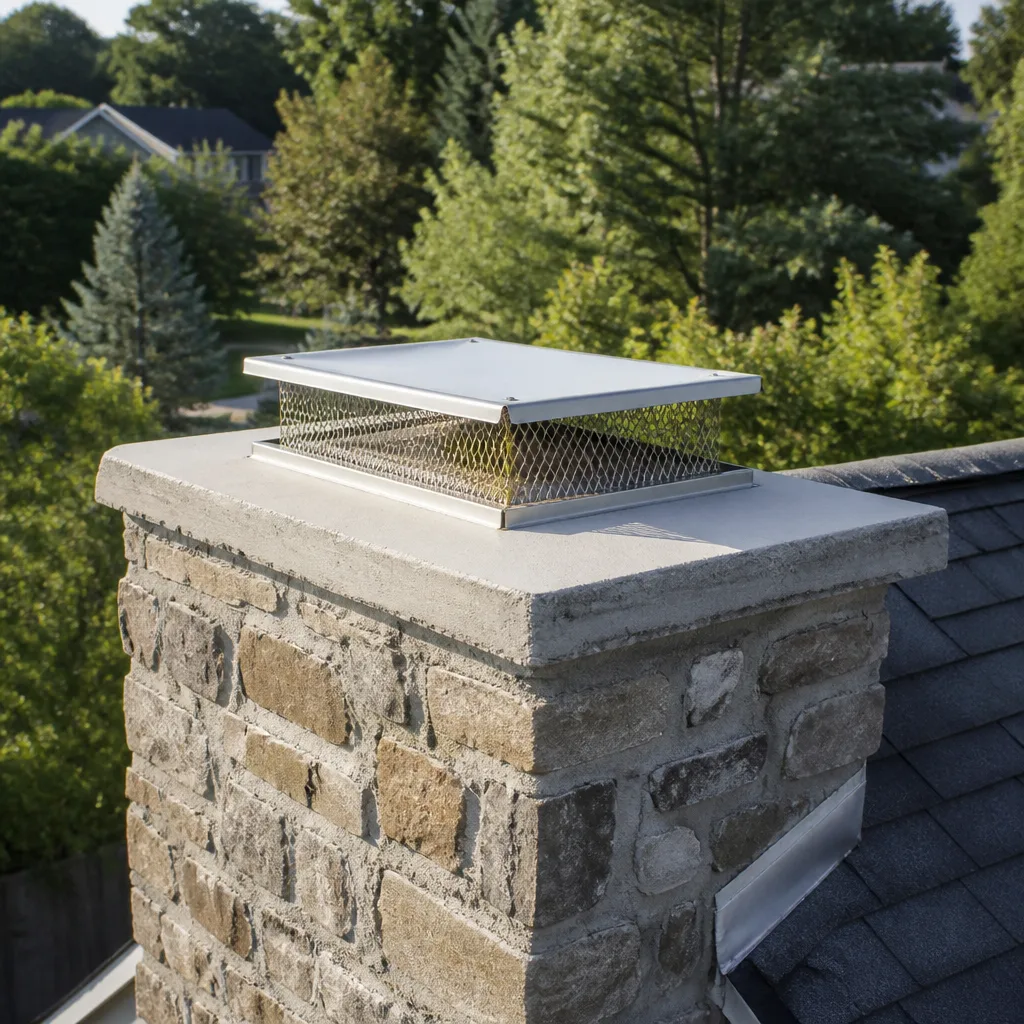
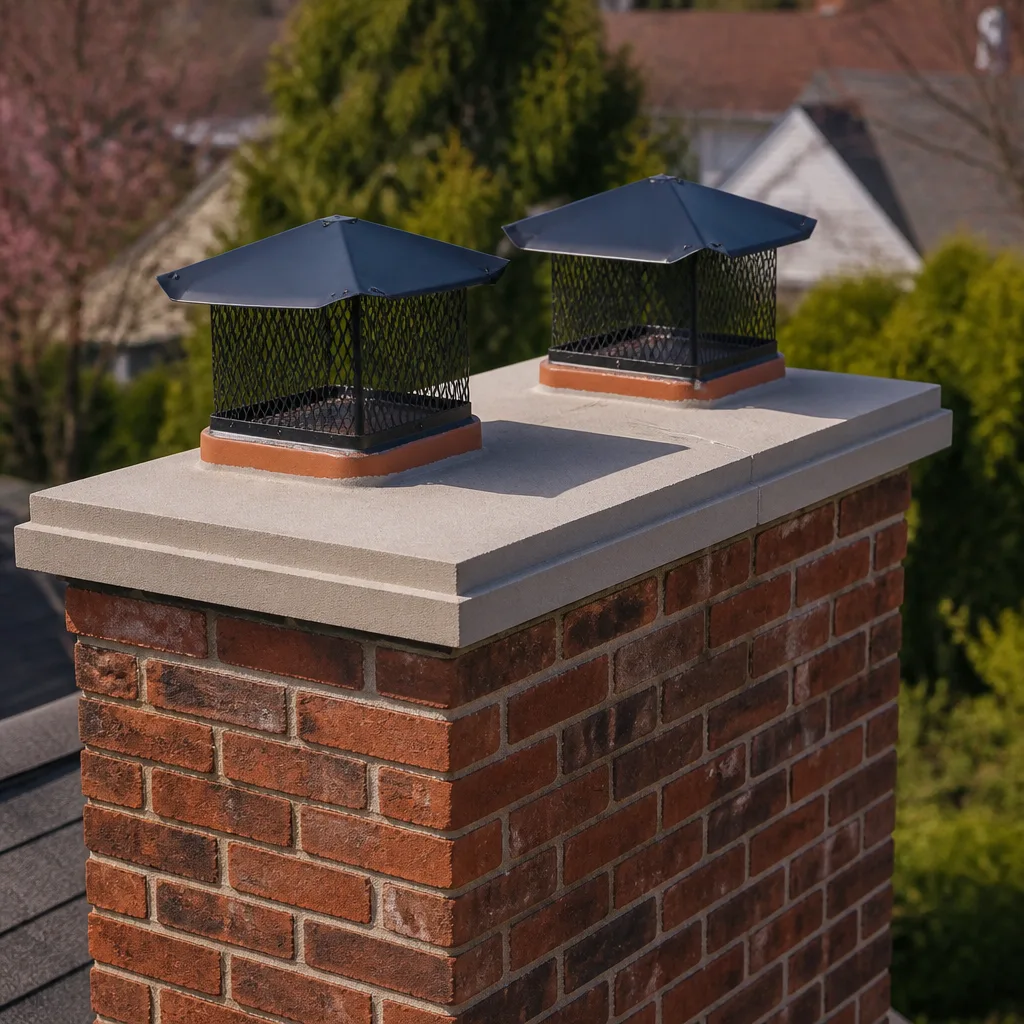
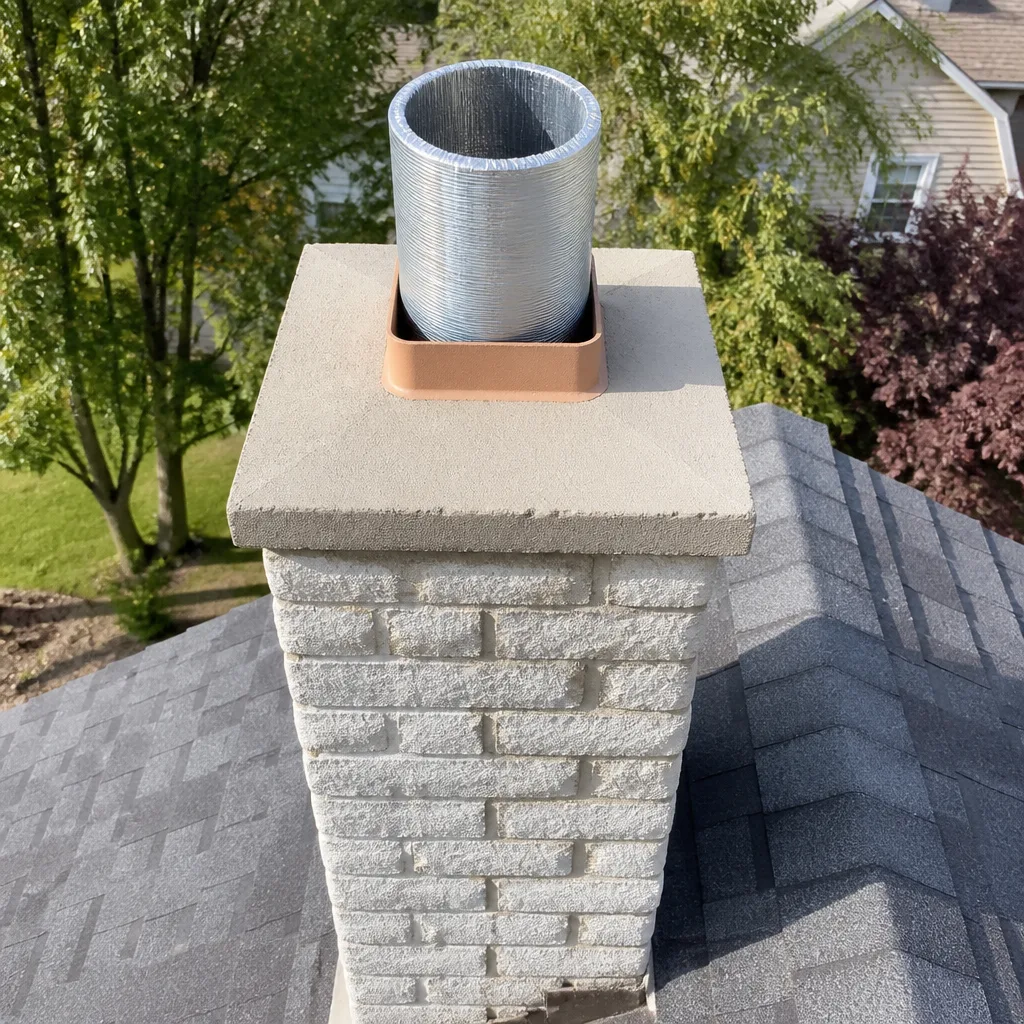
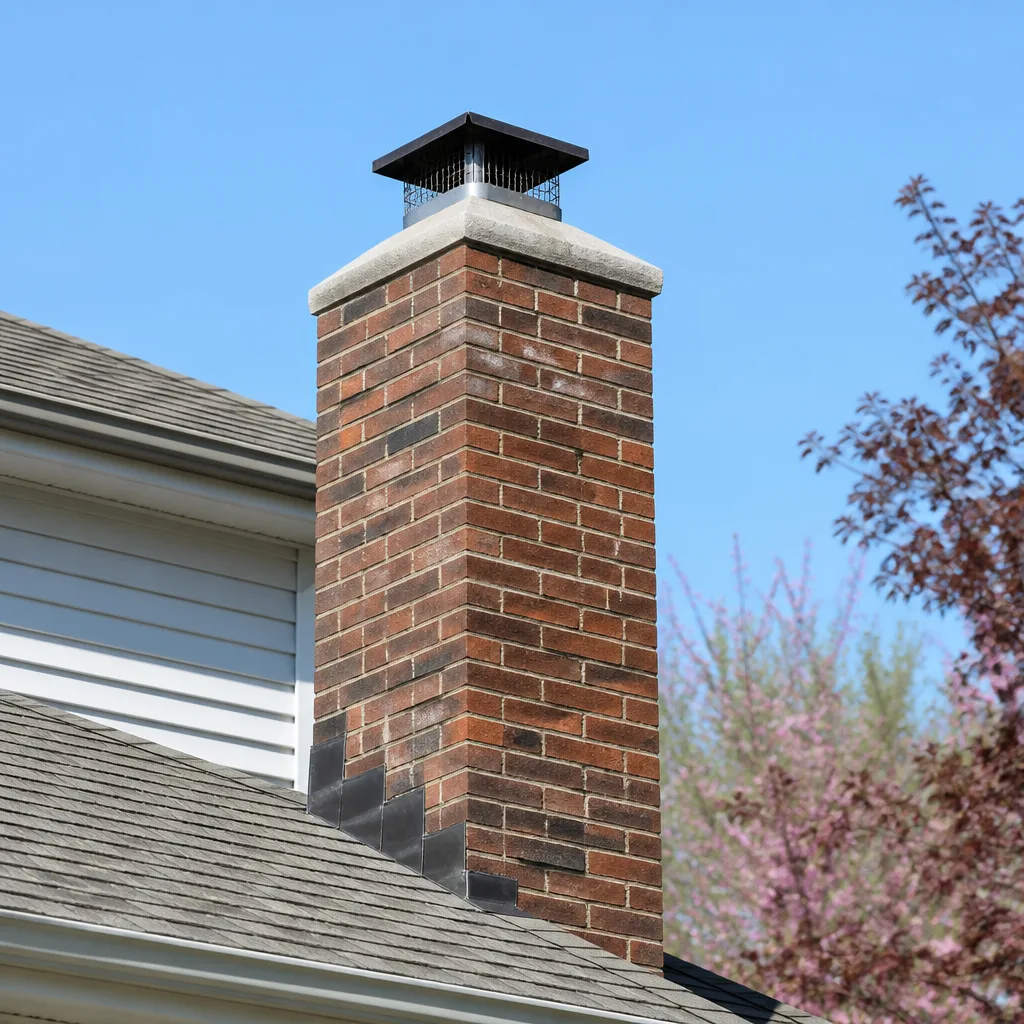
Level 1 sweep and inspection to the NFPA 211 annual standard - flue, crown, cap, and flashing checked and photographed
Chimney sweep logs do not sweep chimneys. They loosen some creosote - which then falls where a brush and vacuum still have to collect it.
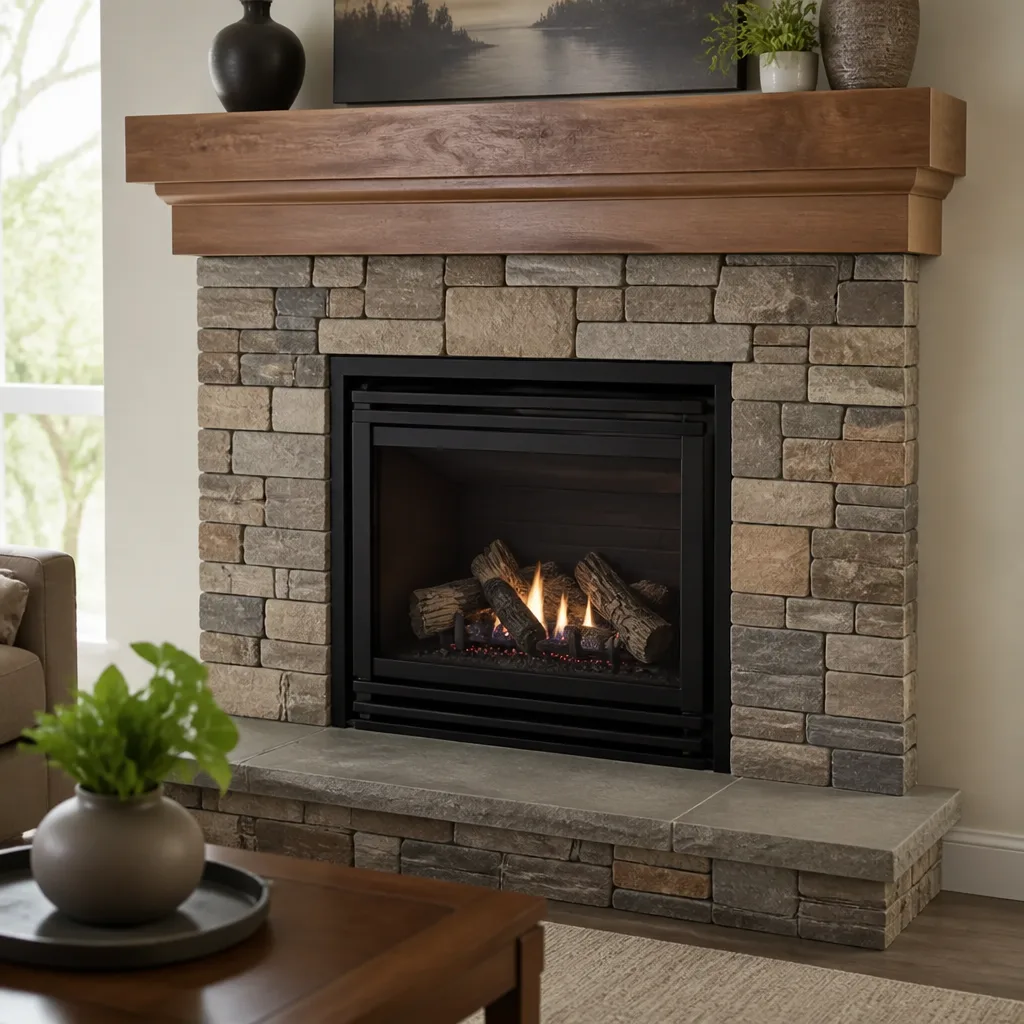
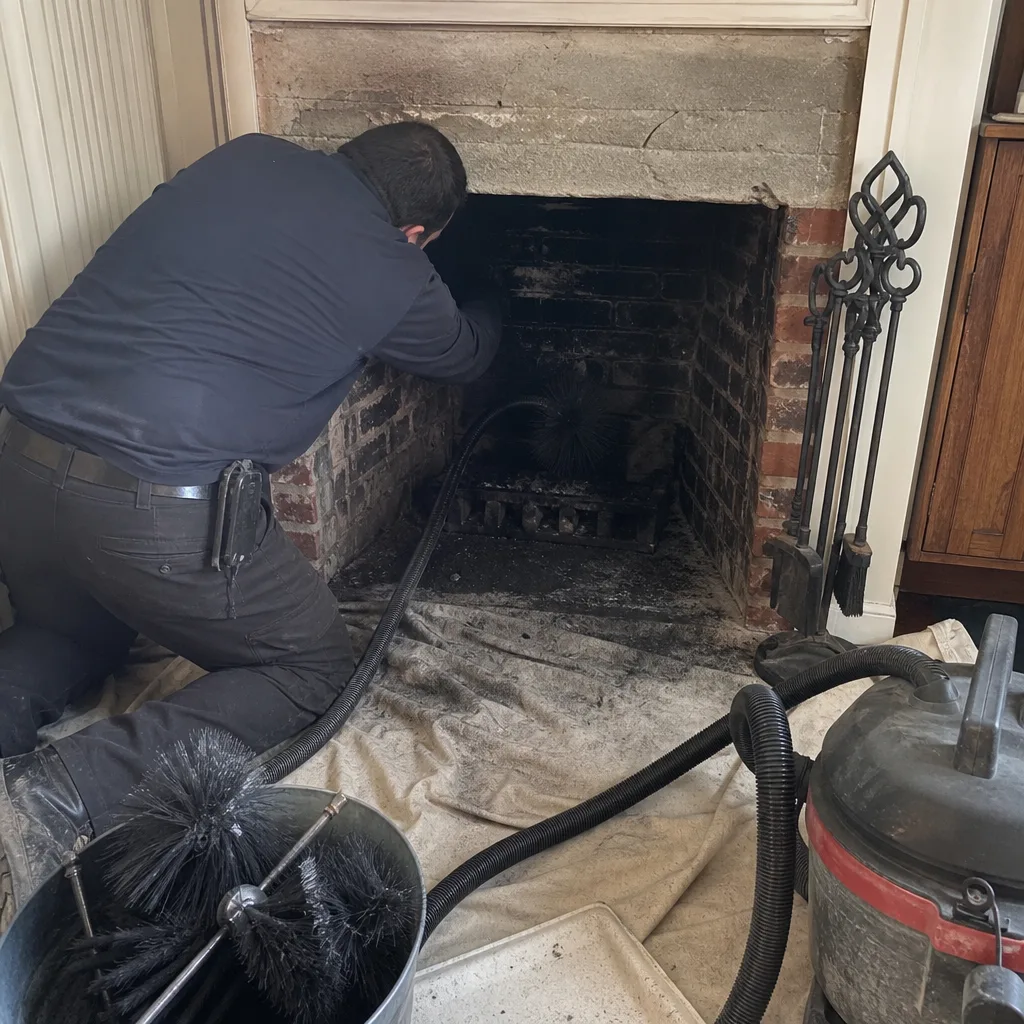 Before
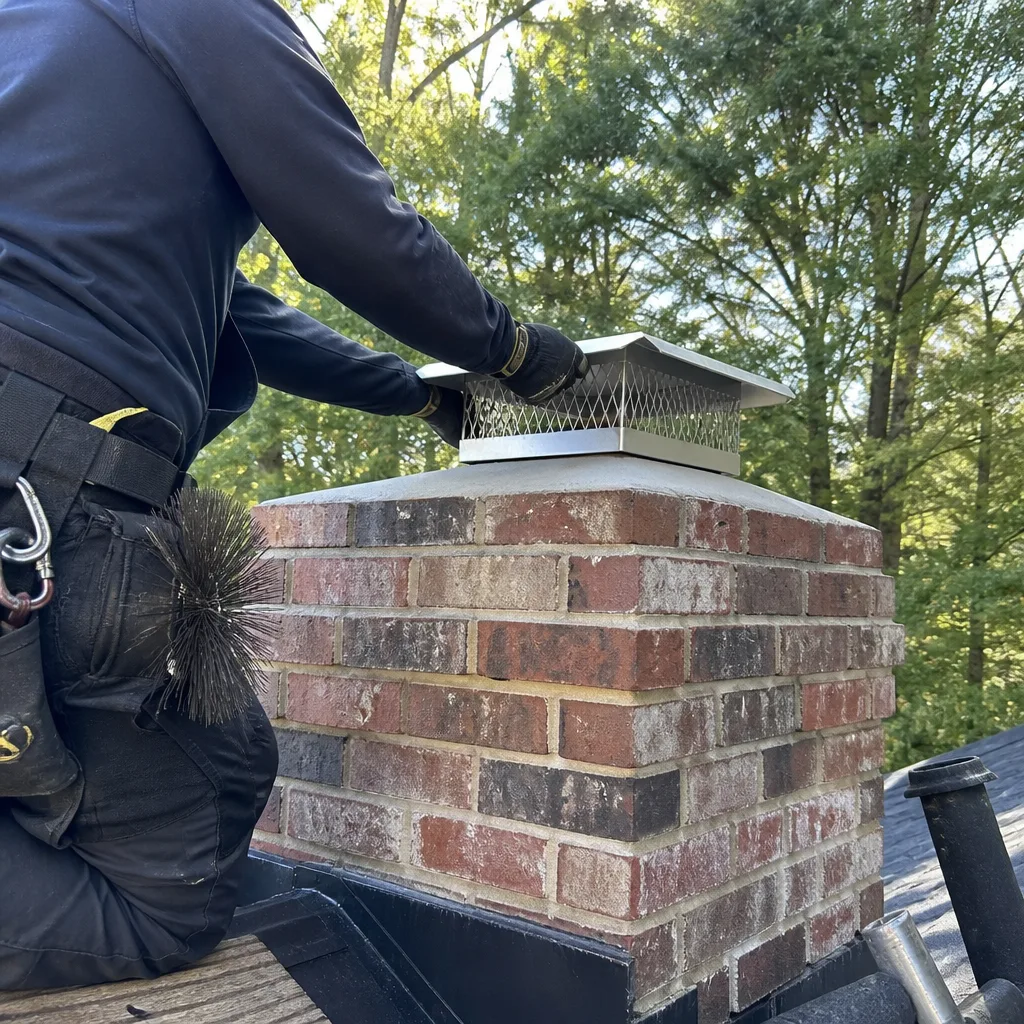 After
After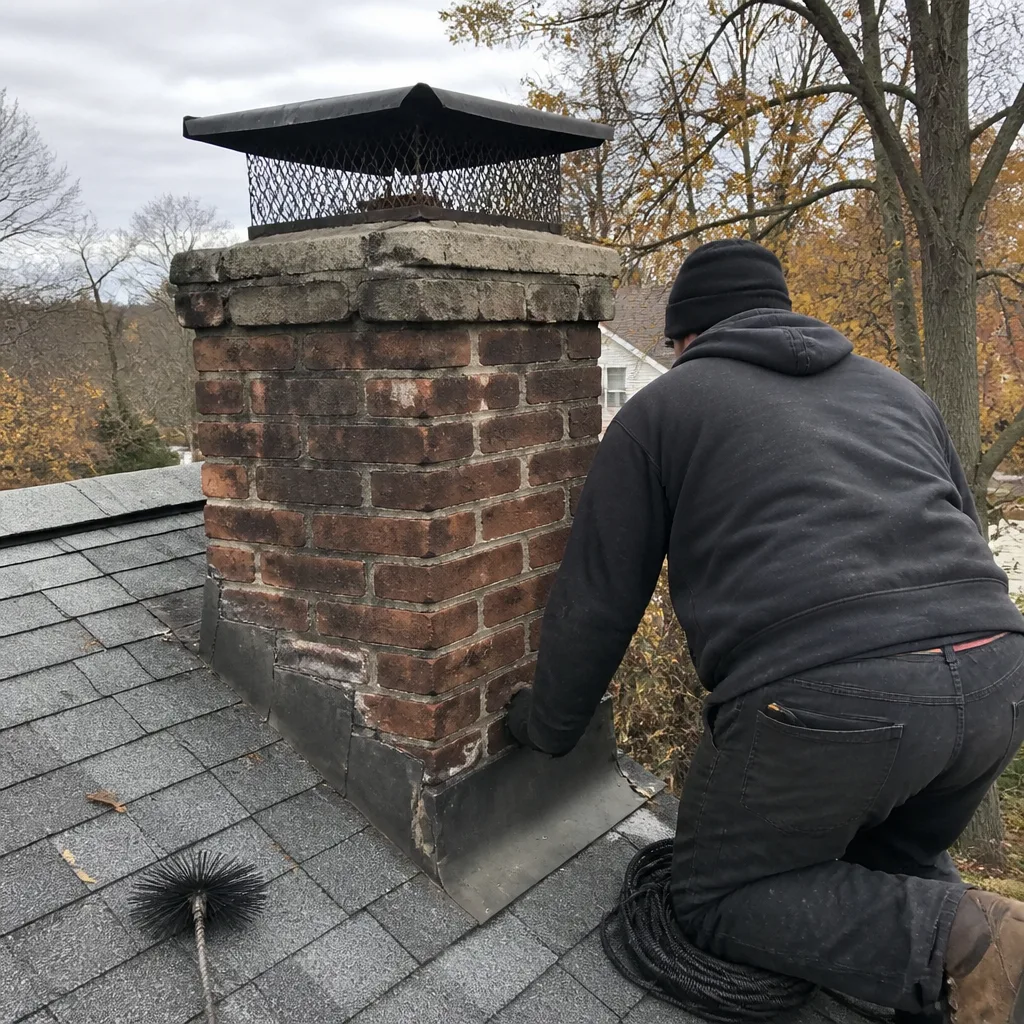 Before
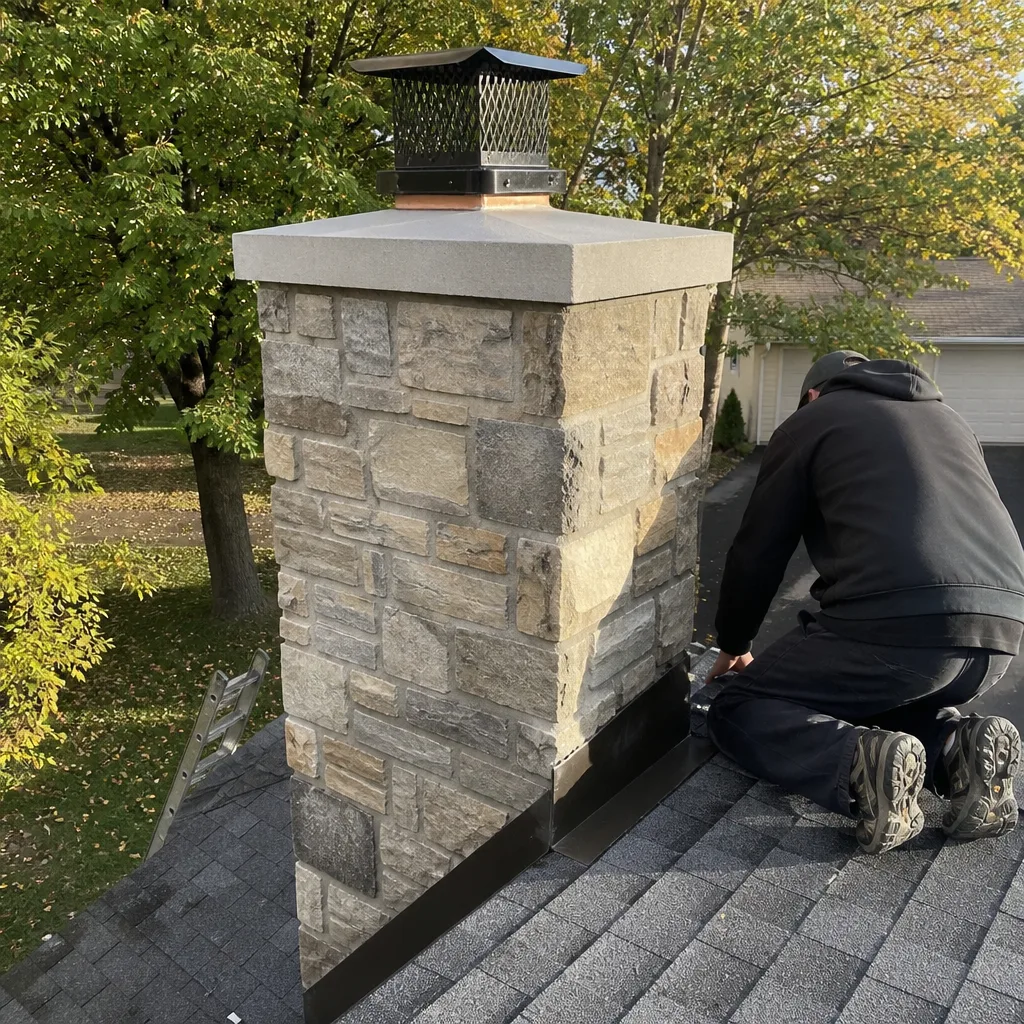 After
After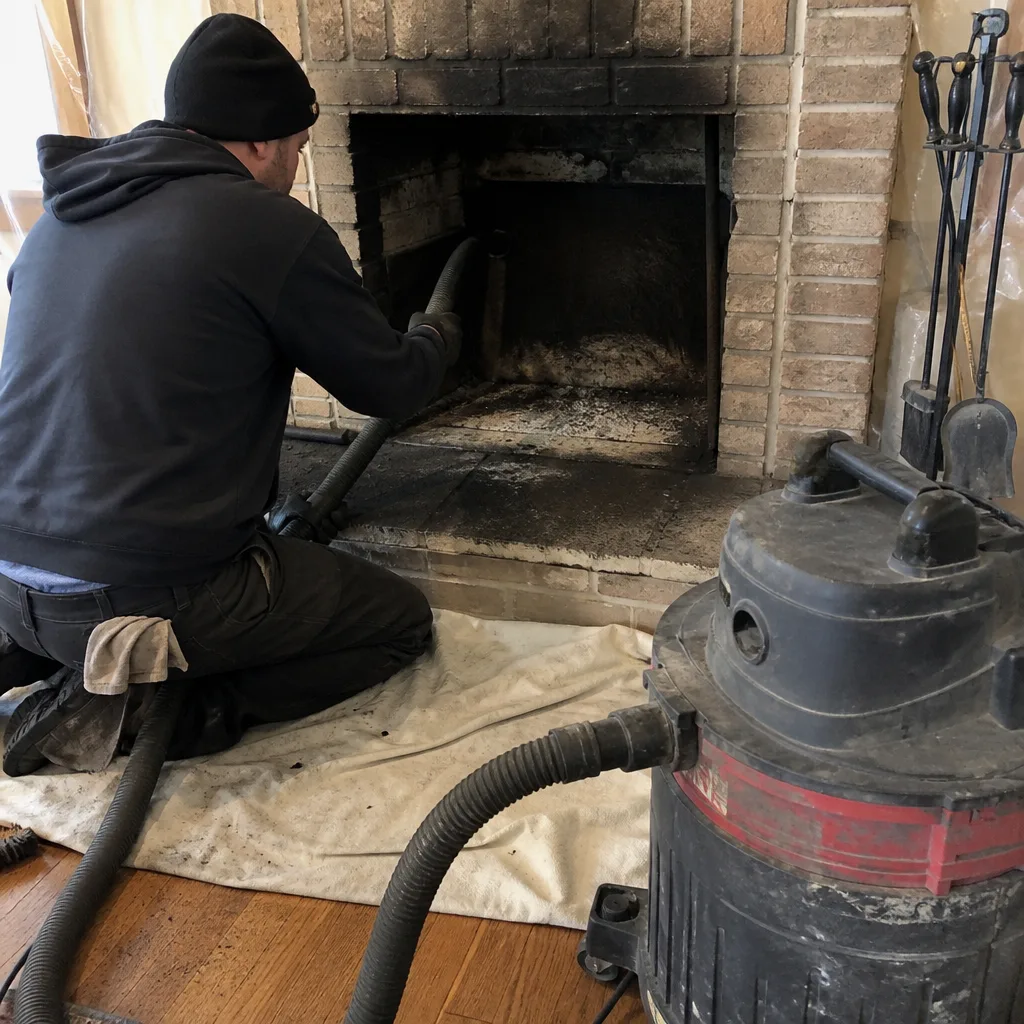 Before
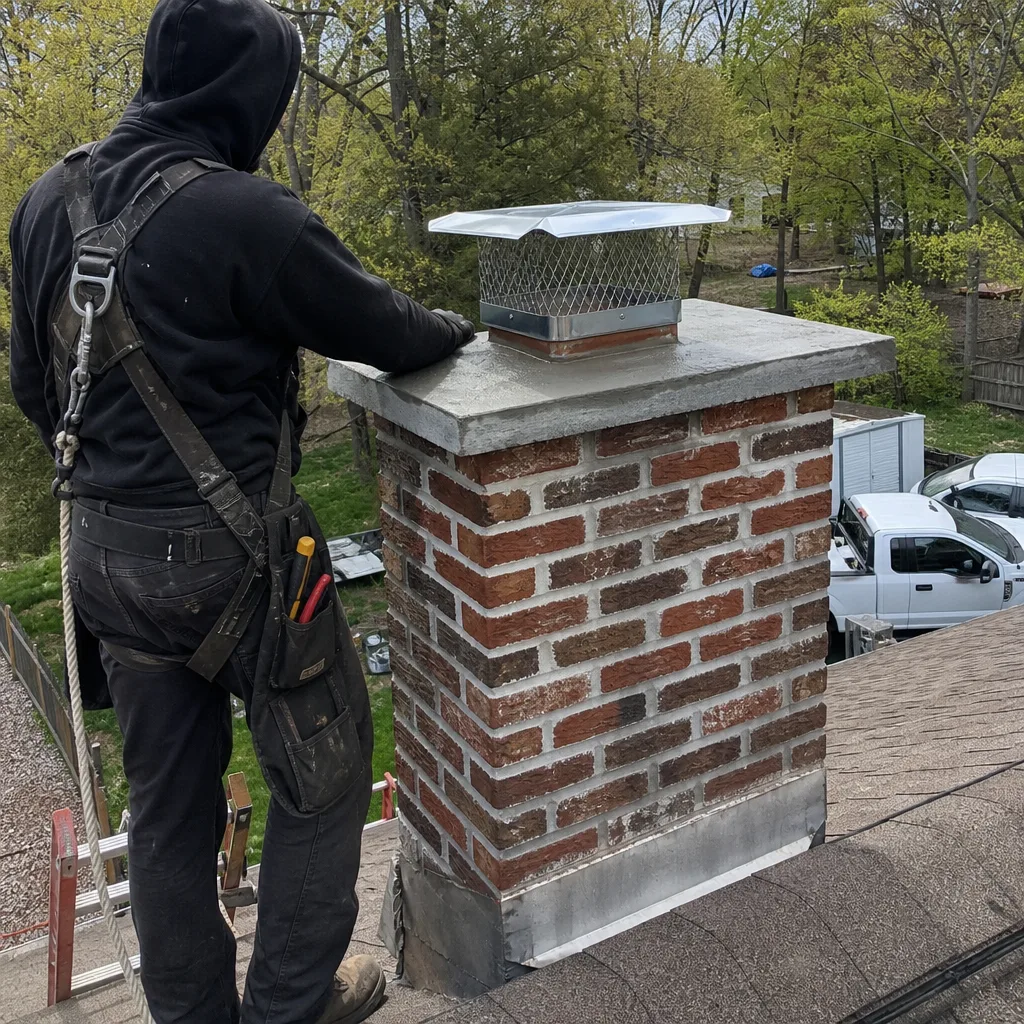 After
AfterDIY vs Professional Chimney Cleaning: The Collegeville Homeowner’s Decision Guide
A chimney brush kit runs about $80 at the hardware store on Ridge Pike, and it’ll knock loose soot off your flue walls just fine. But here’s what we find when we run our camera down Collegeville chimneys that “look clean” from the firebox: cracked terra cotta liners hidden behind bends, failed smoke chamber parging that no brush could reach, and Stage 2 creosote glazing that DIY tools actually polish smoother and more flammable. In this guide, we’ll show you exactly what a homeowner can safely handle, where professional inspection becomes non-negotiable, and how to read your own chimney’s risk profile before you decide.
Quick Answer
DIY chimney brushing in Collegeville removes loose, powdery soot (Stage 1 creosote) from straight, accessible flue sections but cannot inspect the liner, stage harder creosote deposits, or produce documentation for insurance or real estate transactions. Professional cleaning includes a camera-scan inspection of the full flue system, written documentation of liner condition, and removal of glazed or tar-like creosote that requires mechanical or chemical treatment. For homes built before 1990 in Collegeville’s older neighborhoods, professional service is the only approach that addresses the three failure points - liner, crown, and hidden combustion chamber damage - where actual chimney fires originate. See our step-by-step guide on hiring a chimney cleaning contractor in Collegeville to know what to ask.
Table of Contents
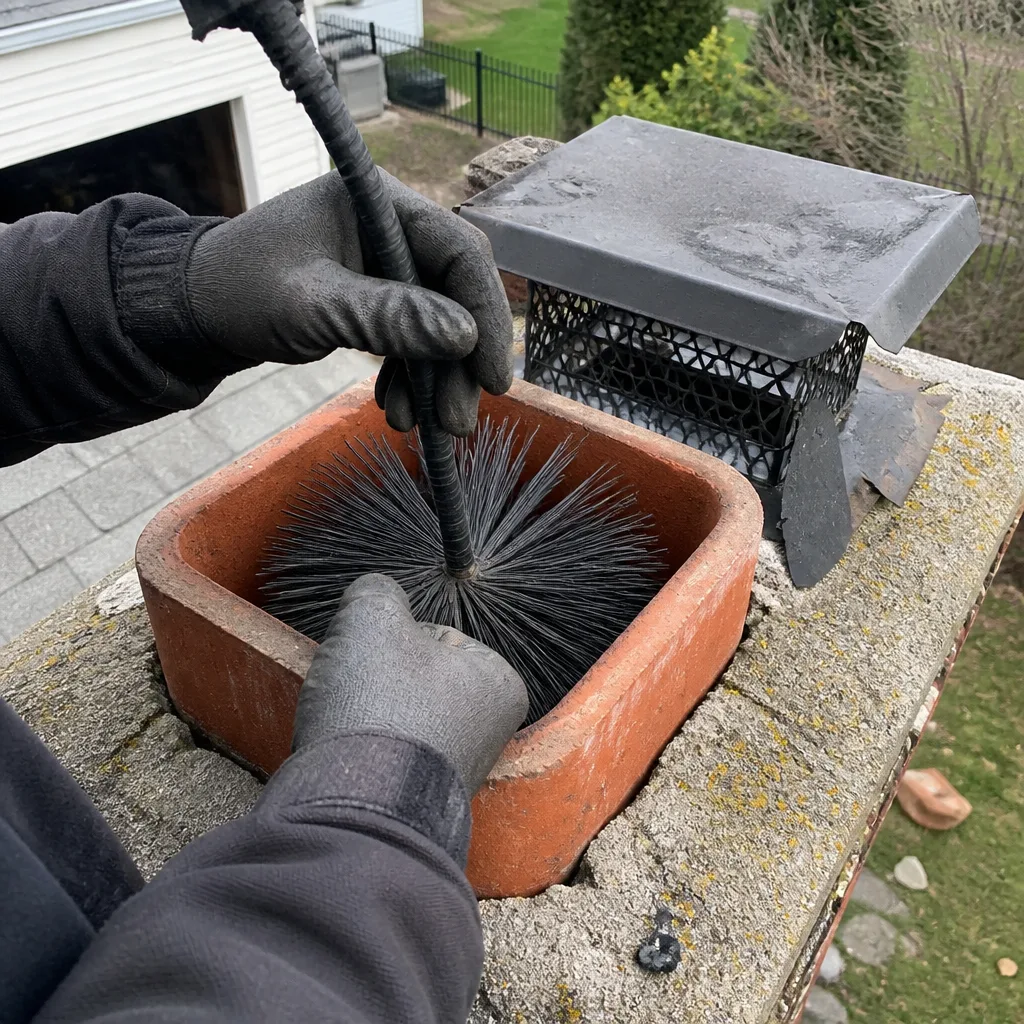
- What DIY Chimney Brushing Actually Accomplishes
- The Three Things a Camera Inspection Finds That No Brush Reveals
- The Insurance Documentation Gap: What “No Record” Costs in Pennsylvania
- The Real Cost Comparison: DIY Kit vs. Documented Professional Cleaning
- Decision Framework: Four Questions for Your Collegeville Chimney
- Common Mistakes to Avoid
- When to Call a Professional
- Frequently Asked Questions
BeforeAfterWhat DIY Chimney Brushing Actually Accomplishes
DIY chimney cleaning has its place. We’re not here to tell you a homeowner with a steady ladder and a basic understanding of their system can’t maintain a simple, modern fireplace between professional visits. What matters is knowing precisely where that place ends.
A standard DIY kit - poly brush, fiberglass rods, drop cloth, and shop vacuum - handles Stage 1 creosote: the light, powdery, black carbon that builds up during occasional wood fires in a well-drafted system. If you’re burning seasoned hardwood in a factory-built metal chimney less than 15 years old, and you’re using the fireplace fewer than 30 times per season, brushing the flue yourself every fall is reasonable maintenance.
Here’s what the process actually involves:
- Secure access. Remove the damper plate if possible, or work from the top down through the chimney cap. You’ll need a ladder stable enough for roof work at height.
- Protect the firebox. Seal the fireplace opening with plastic sheeting and tape. Creosote dust is a respiratory irritant and will settle on every surface if the vacuum seal fails.
- Brush the flue. Run the brush the full length of the flue with enough pressure to scrape the walls. The brush should be sized to the flue diameter - typically 6″, 8″, or 10″ for residential systems in Collegeville.
- Collect debris. Vacuum the firebox, smoke shelf, and any material that falls. Do not use a household vacuum; creosote particles are fine enough to pass through standard filters.
- Inspect what you can see. Shine a bright light up the flue from below and look for obvious cracks, missing mortar, or heavy buildup.
That’s the complete capability. No camera, no bend navigation, no liner assessment, no crown evaluation, no documentation. And critically, no ability to distinguish Stage 1 from Stage 2 or Stage 3 creosote - the difference between “brushes off” and “requires professional remediation.”
In Collegeville, we see DIY brushing make sense in exactly two scenarios: newer homes in developments like Providence Town Center with factory-built metal chimneys and gas log sets, where the “cleaning” is mostly dust and spider removal; and seasonal cabin-style use in Skippack-adjacent properties where the fireplace sees 10-15 fires per year and the homeowner treats annual brushing as ritual maintenance between professional inspections every 3-5 years. For timing guidance, read our Seasonal Chimney Cleaning Care for Collegeville guide.
Even then, we flag the same limitation: without a camera, you cannot see past the first straight section. Most chimney fires in older Collegeville housing stock - the colonials and Cape Cods built between 1950 and 1985 - start in the offset or smoke chamber, not the vertical flue you can brush.
The Three Things a Camera Inspection Finds That No Brush Reveals
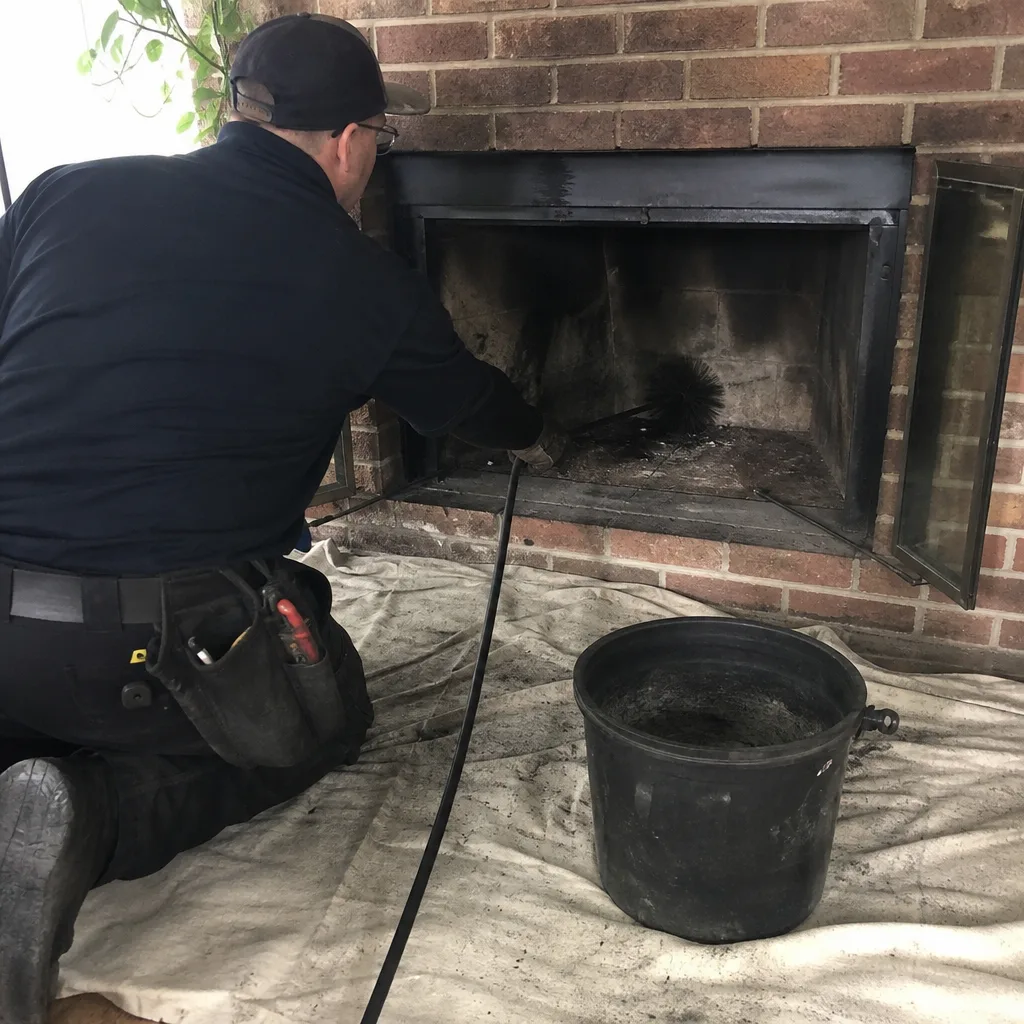
We’ve run camera inspections on more than 38,000 chimneys since 2009. The pattern is consistent: the flue that “looks fine” from the firebox or roofline rarely tells the full story. Here are the three findings that change every conversation about whether a chimney is safe to use.
1. Cracked or Deteriorated Flue Liners
The flue liner is the protective barrier between combustion gases and the surrounding structure. In Collegeville’s older homes, these are typically terra cotta clay tiles, 2-foot sections mortared together. Thermal cycling - heating and cooling across seasons - causes these tiles to crack vertically at the mortar joints. A brush passes right over these cracks. A camera stops, documents, and measures.
We find cracked liners in roughly 40% of Collegeville inspections on pre-1990 construction. The risk isn’t abstract: combustion gases, including carbon monoxide, can migrate through cracks into wall cavities or living spaces. A cracked liner also exposes the masonry to acidic condensation, accelerating spalling (surface flaking) and structural degradation.
Replacement options vary. DuraFlex stainless steel liners are the standard for wood-burning systems, with lifetime warranties when properly sized and installed. For gas appliances, HeatShield cerfractory foam resurfacing can restore a clay liner’s integrity without full replacement. The camera tells us which applies.
2. Smoke Chamber Parging Failure
The smoke chamber is the transition area above the damper, funneling smoke from the firebox into the vertical flue. NFPA 211 requires this surface to be “parged smooth” - coated with refractory mortar to eliminate ledges where creosote accumulates and to streamline draft.
No brush reaches the smoke chamber effectively. No flashlight inspection from below reveals whether the parging is intact. Our camera, mounted on a flexible wand, documents every square inch. We find parging failure in approximately 25% of Collegeville inspections, often with significant creosote buildup on the exposed corbelled brick. This is where chimney fires start: hot gases hit an irregular surface, ignite accumulated deposits, and the fire spreads into the structure.
Smoke chamber repair using Gelco or similar refractory materials is a specialized service. The camera finding determines whether it’s needed.
3. Hidden Creosote Staging
Creosote progresses through three stages. Stage 1 is brushable. Stage 2 is shiny, hardened, and requires a rotary chain or chemical treatment. Stage 3 is tar-like, highly concentrated, and often indicates restricted draft or burning unseasoned wood.
A homeowner brushing their flue feels resistance decrease and assumes the job is done. What they’ve actually done is polished the Stage 2 glaze smoother, potentially making it more flammable. Our camera with integrated lighting reveals the color and texture changes that indicate staging. We then select the appropriate removal method: rotary sweeping for Stage 2, chemical treatment and delayed mechanical removal for Stage 3.
In Collegeville, we see accelerated creosote staging in two specific conditions: homes on the Schuylkill River floodplain where seasonal humidity affects draft patterns, and properties with exterior chimneys on north-facing walls that stay cold longer, causing condensation and incomplete combustion. A brush doesn’t know these contexts exist. A camera inspection, interpreted by a technician who understands local conditions, does.
Clause 4 of the Haven Standard requires this photo record on every job. Not as an upsell. As documentation that the inspection happened, what was found, and what was done. Since 2009, we’ve maintained these records continuously - an archive practice that became part of our standard before insurers or regulators asked for it.
The Insurance Documentation Gap: What “No Record” Costs in Pennsylvania
Pennsylvania homeowners insurance policies vary in chimney fire coverage, but the claims pattern is consistent: without documented professional inspection, coverage disputes arise. We’ve reviewed claim denials with Collegeville homeowners who assumed their policy protected them.
Here’s how the documentation gap actually plays out.
Most policies cover “sudden and accidental” fire damage. Chimney fires are rarely sudden in the way a grease fire is. They result from accumulated conditions - creosote buildup, liner degradation, structural compromise - that develop over time. When an adjuster investigates, they request maintenance records. A homeowner with no professional inspection history, only self-reported DIY brushing, faces an uphill argument that the loss was unforeseeable.
We’ve seen three specific denial patterns in Pennsylvania:
- Failure to maintain. The insurer argues the homeowner neglected reasonable upkeep, voiding coverage under policy maintenance clauses. Without dated, professional documentation, the homeowner has no counter.
- Pre-existing condition. The insurer claims liner cracks or crown damage existed before the policy period and were visible if properly inspected. A camera record from a prior sweep establishes timeline and condition.
- Arson or negligence suspicion. In severe fires with structural loss, lack of professional maintenance history triggers deeper investigation, delaying payment and increasing legal costs.
The documented photo record we provide - Clause 4 of the Haven Standard - serves as timestamped evidence of professional assessment. It won’t prevent every dispute, but it shifts the burden. The insurer must now argue with a dated inspection report, photo documentation, and written scope of recommended work, rather than an absence of records.
For Collegeville homeowners in older neighborhoods - Perkiomen Woods, the historic district near Main Street, or the 1960s splits off Route 29 - this documentation gap is particularly acute. These properties have the highest incidence of liner and crown issues, and their owners are most likely to have purchased within the last decade without prior inspection history. A Chimney Sweep in Collegeville that includes full documentation closes that gap before it becomes a problem.
The Real Cost Comparison: DIY Kit vs. Documented Professional Cleaning
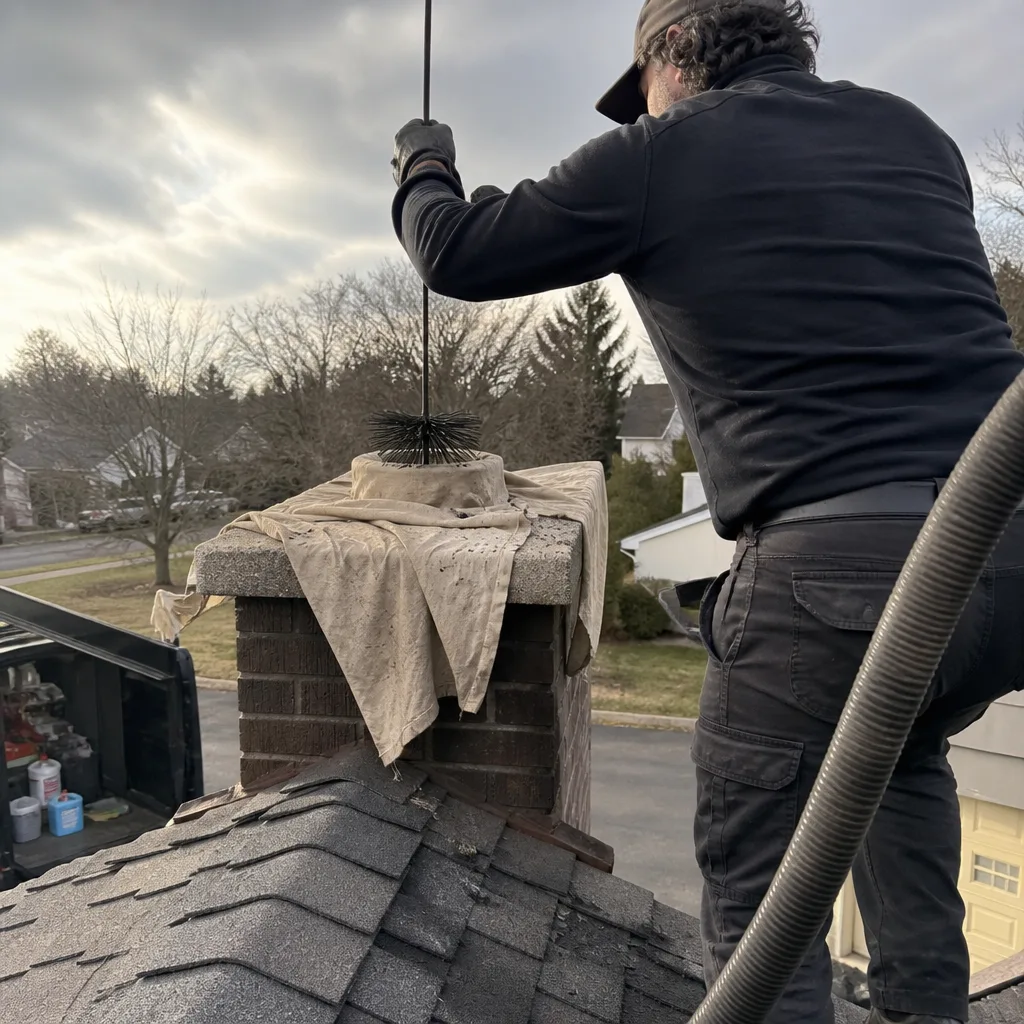
Let’s name the numbers. In Collegeville, a basic DIY chimney brush kit costs $75-$95 at hardware retailers. A professional chimney sweep with camera inspection and documented record runs approximately $299-$349 for a standard single-flue system. Our Chimney Cleaning Cost Breakdown for Collegeville homeowners explains what’s included and why. The comparison isn’t $80 versus $320. It’s $80 plus the cost of what you don’t find.
Here’s the actual math we see:
| Cost Element | DIY Approach | Professional Service |
|---|---|---|
| Initial outlay | $80 kit | $299-$349 sweep + inspection |
| What you get | Loose soot removal, visible flue section | Full flue camera scan, smoke chamber inspection, creosote staging assessment, written report with photos |
| What you miss | Liner cracks, hidden creosote, parging failure, crown deterioration, draft issues | Nothing - all accessible surfaces inspected |
| Discovery cost if missed | $1,200-$4,500 liner repair/replacement; $800-$2,000 smoke chamber parging; potential fire damage $10,000+ | Early intervention at maintenance stage |
| Insurance documentation | None | Dated photo record, written scope, warranty |
The $220 difference between DIY and professional service buys information. Specifically, it buys the information that prevents the $2,000 repair or the $15,000 fire restoration.
We see this pattern repeatedly in Collegeville: the homeowner who brushed faithfully for five years, then called us for what they thought was routine maintenance, and we found a cracked liner that had been venting into the wall cavity for multiple seasons. The brushing felt productive. The flue looked black and uniform. The camera revealed the gap.
Our pricing is flat and written before work starts - Haven Standard Clause 1. No “while we’re here” additions. If we find conditions requiring repair, we document, quote separately, and let you decide. The $299-$349 covers the complete inspection and cleaning. Anything beyond that is your choice, with a written price, written scope, and written warranty before anyone starts.
We also offer a Free Second Opinion on any competitor’s written estimate. Bring us another company’s scope and price. We’ll review their findings against our inspection and tell you where we agree, where we differ, and why. No charge, no obligation.
Decision Framework: Four Questions for Your Collegeville Chimney
Use these four questions to determine whether DIY brushing is reasonable for your specific situation, or whether professional service is the only responsible choice.
Question 1: When Was the Last Camera Inspection?
If you’ve never had a camera down the flue, you don’t know what you’re working with. This isn’t skepticism; it’s the reality of hidden surfaces. A chimney can draft adequately with significant liner damage. It can appear to function normally while deteriorating structurally. If your answer is “never” or “I don’t know,” professional inspection precedes any maintenance decision.
In Collegeville, we recommend a baseline camera inspection for any home new to the owner, regardless of age. The prior owner’s maintenance history is unknown, and chimneys don’t disclose their condition visibly.
Question 2: What Fuel Type and Burn Pattern?
Gas fireplaces in modern inserts require less frequent sweeping but still need inspection - the logs, burner, and venting system degrade differently than wood systems. Pellet stoves have their own maintenance protocols. Wood-burning systems vary dramatically based on wood seasoning, burn temperature, and frequency.
We see the highest creosote accumulation in Collegeville from homeowners burning purchased “seasoned” wood that was split within the year, or from slow, smoldering fires intended to last overnight. Both produce incomplete combustion and accelerated buildup. If your burn pattern includes either, professional assessment of creosote staging is essential.
Question 3: What’s the Chimney Age and Construction?
Pre-1990 terra cotta liners in Collegeville’s older stock have exceeded their designed service life. Factory-built metal chimneys from the 1980s and 1990s may have recalled components (certain Metalbestos and similar brands). Masonry chimneys without liners - common in homes built before 1940 - are grandfathered in some jurisdictions but present known hazards.
Your chimney’s age and construction type determine whether DIY brushing is maintenance or theater. We can tell you which category applies after inspection.
Question 4: What’s the Stakes of Being Wrong?
This is the question most homeowners underweight. A chimney fire doesn’t damage only the chimney. It enters wall cavities, spreads to roof structures, and produces smoke damage throughout the home. Carbon monoxide intrusion from a failed liner is silent and cumulative.
If your chimney serves as primary heat for a finished basement, or if your bedroom is adjacent to the chimney chase, the stakes of undetected failure are higher. If the fireplace is decorative, used twice yearly, in a home with hardwired CO detectors on every floor, the risk profile differs.
Be honest about your risk tolerance and your family’s exposure. Then choose accordingly.
Common Mistakes to Avoid
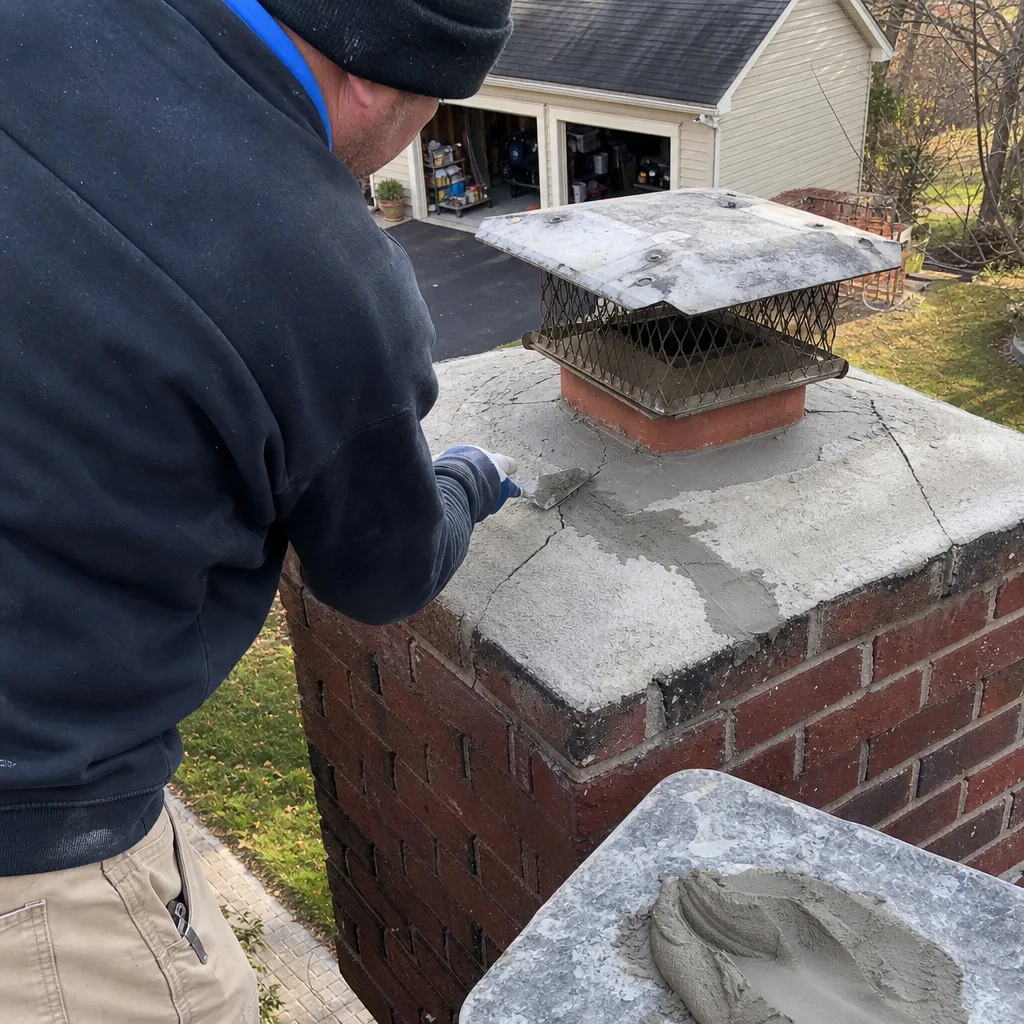
- Brushing a damaged liner. We’ve seen homeowners dislodge cracked terra cotta sections with aggressive brushing, narrowing the flue or creating obstructions. If the brush catches or binds, stop immediately and call for inspection.
- Using the wrong brush size. An undersized brush doesn’t contact the walls; an oversized brush wedges and can damage metal flues or dislodge mortar in clay systems. Measure the flue diameter from the top or consult the appliance manual.
- Neglecting the smoke chamber and smoke shelf. These areas collect the most creosote and are inaccessible to standard brushes. Collegeville’s older homes with deep fireboxes have particularly large smoke shelves that harbor significant deposits.
- Assuming “no smell” means “no problem.” Carbon monoxide is odorless. Draft problems don’t always produce smoke in the room. The absence of obvious symptoms doesn’t confirm safe operation.
- Using household vacuums for creosote. Standard filters pass fine particles. Creosote dust is a known irritant and potential carcinogen. Proper collection requires HEPA filtration and protective equipment.
- Ignoring seasonal timing. In Collegeville, we see homeowners discover problems in October when sweep schedules are compressed. Book inspections in late summer for September completion, before the first cold snap creates demand surges.
When to Call a Professional
Call a professional immediately if you notice any of the following: visible cracks in the firebox or flue tiles, pieces of tile or mortar in the firebox, a persistent smoky odor when the fireplace isn’t in use, draft problems or smoke spillage into the room, or any evidence of previous chimney fire (warped metal, discolored mortar, cracked exterior masonry). These are not maintenance conditions; they’re safety concerns requiring documented assessment.
Also call if your home matches any of these profiles: built before 1990 with original clay liner, purchased within the last two years with no inspection history, converted from oil to gas or wood within the last decade, or located in Collegeville’s flood-adjacent areas where moisture cycling accelerates deterioration.
Emberly Chimney Cleaners Collegeville home provides Chimney Sweep in Collegeville with full camera inspection, written pricing before work starts, and documented photo records on every visit. We also handle Chimney Repair in Collegeville and Fireplace Services in Collegeville for systems requiring more than maintenance. Emberly Chimney Cleaners Collegeville offers free estimates in Collegeville - call (610) 884-0366.
Frequently Asked Questions
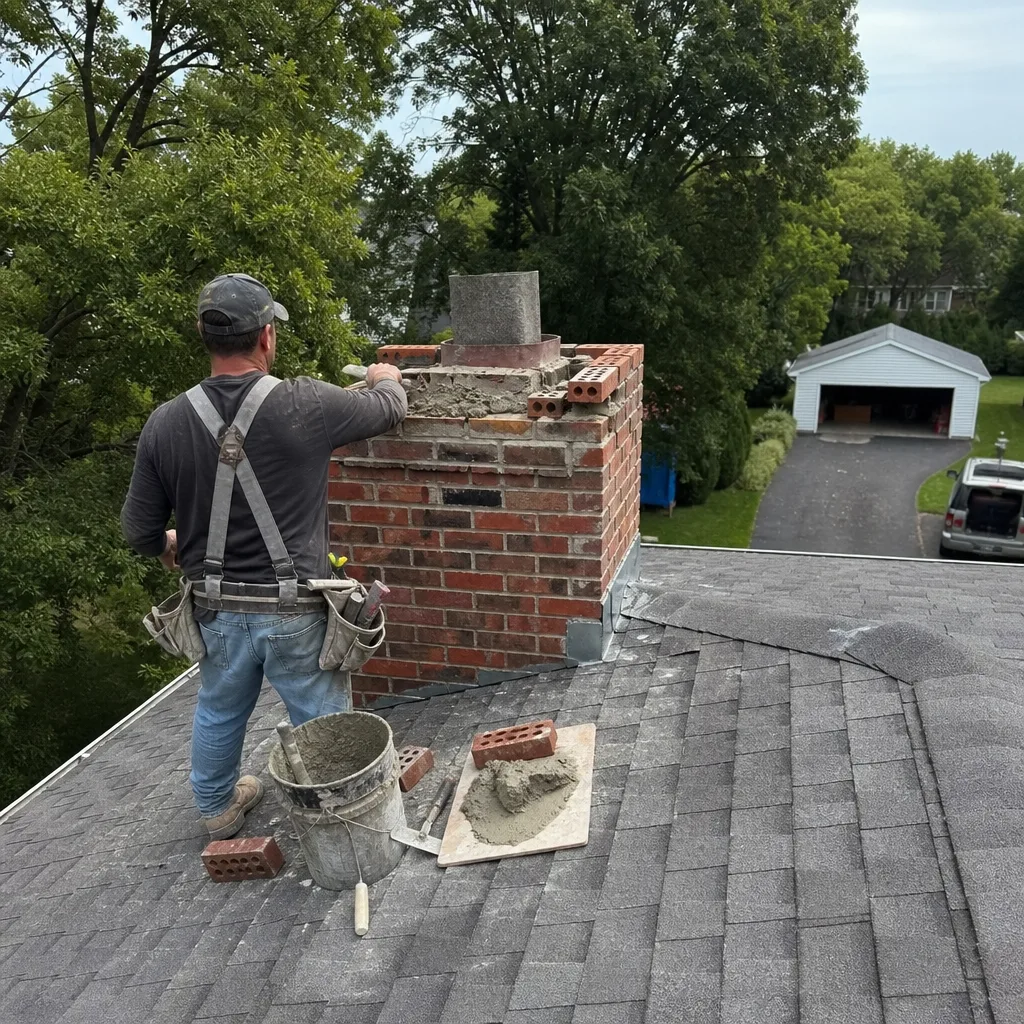
A standard single-flue chimney sweep with camera inspection and documented photo record typically costs $299-$349 in Collegeville. Multi-flue systems, inserts, or conditions requiring additional creosote removal may increase this. We provide a written price before any work starts - no exceptions, no surprises. Call (610) 884-0366 for an exact quote; estimates are free.
Regular use actually increases the case for professional inspection, not against it. Frequent fires produce more creosote, accelerate liner thermal cycling, and increase the statistical probability of finding a developing problem. DIY brushing between professional visits is reasonable for light-use, modern systems with recent clean inspection history. For primary heat sources or heavy seasonal use, annual professional service is the safer approach. Explore more guides & resources on chimney safety and maintenance.
NFPA 211 recommends annual inspection for all chimney systems, with cleaning frequency determined by creosote accumulation. In practice, Collegeville’s mix of older housing stock and humid river-valley climate means most wood-burning systems need annual sweeping. Gas systems may extend to every 2-3 years for inspection, though burner and log maintenance should be checked annually. The camera inspection determines your specific interval, not a calendar alone.
Skipped maintenance produces progressive, hidden deterioration. Creosote accumulates and stages to more flammable forms. Liner cracks widen with thermal cycling. Crown cracks admit water, which freezes and expands, accelerating masonry damage. The endpoint is either a contained chimney fire that damages the flue system, an uncontrolled fire spreading to structure, or carbon monoxide intrusion through failed liners. None of these announce themselves in advance. Call (610) 884-0366 if your chimney is overdue; we’ll assess priority and schedule accordingly.
This is the right question to ask. At Emberly, we show you the camera footage and explain the specific finding: crack pattern, location, width, and what it means for combustion gas containment. We then provide a written scope with material specifications - DuraFlex stainless, HeatShield resurfacing, or other appropriate solution - and a fixed price. Our Free Second Opinion policy exists precisely for this concern: bring us any competitor’s liner recommendation, and we’ll review their footage or conduct our own inspection. You’ll see what we see and decide.
A Level 1 inspection is visual, accessible-surface examination - what you can see from the firebox and roof without tools. A Level 2 inspection, which we perform on every cleaning, includes camera examination of the full flue interior, accessible portions of the smoke chamber and chimney exterior, and documentation of all findings. For real estate transactions, suspected damage, or changed system conditions, NFPA 211 requires Level 2. We’ve made it our default since 2009 because surface inspection misses the conditions that actually create risk.
The Bottom Line
DIY chimney brushing maintains accessible surfaces between professional visits but cannot replace camera inspection, creosote staging assessment, or documentation. For Collegeville’s older housing stock, the conditions that create real risk - liner degradation, smoke chamber failure, hidden creosote accumulation - live where no brush reaches. The $220 gap between a DIY kit and professional service buys information that prevents thousand-dollar repairs and protects against the unquantifiable cost of fire or CO exposure. Know your chimney’s age, fuel type, and inspection history. Then choose based on what you actually know, not what you assume.
Written by Corrine Halstead, Owner at Emberly Chimney Cleaners Collegeville, serving Collegeville since 2009.