
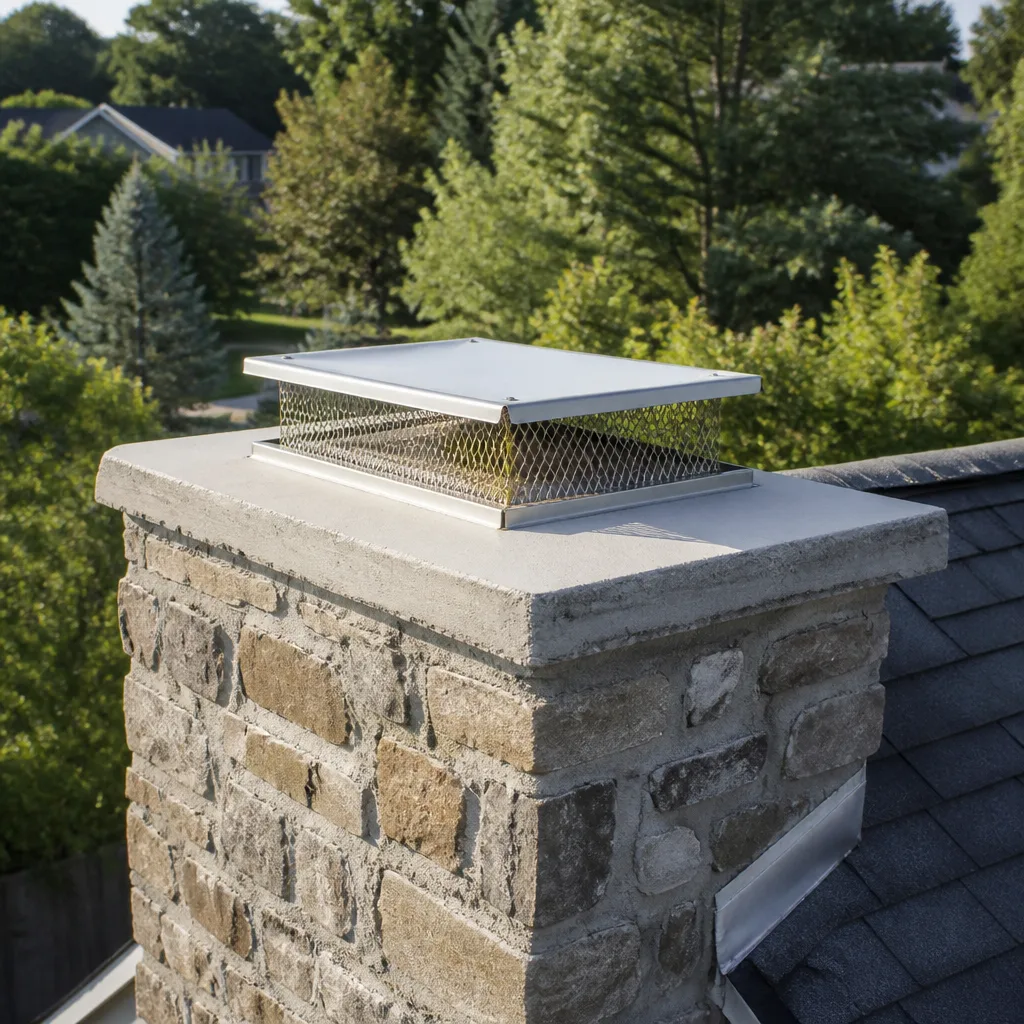
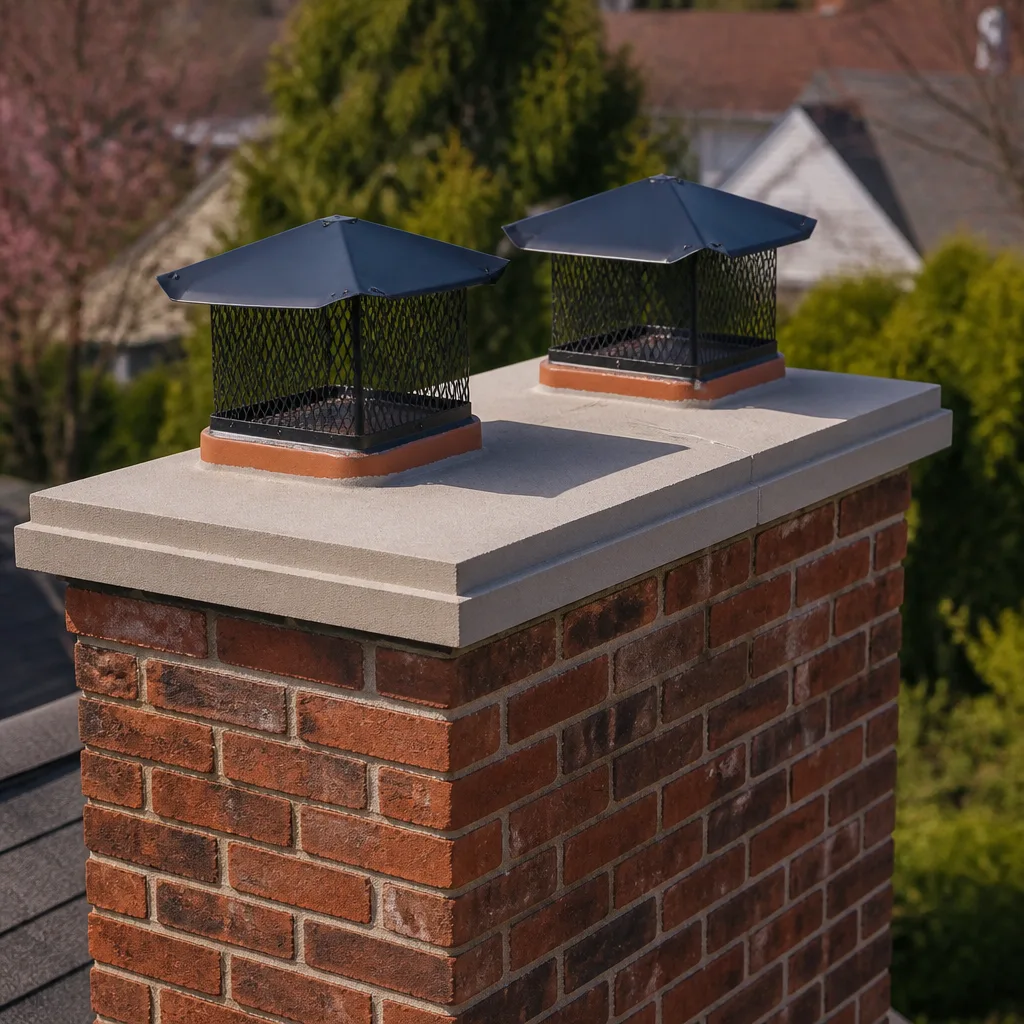
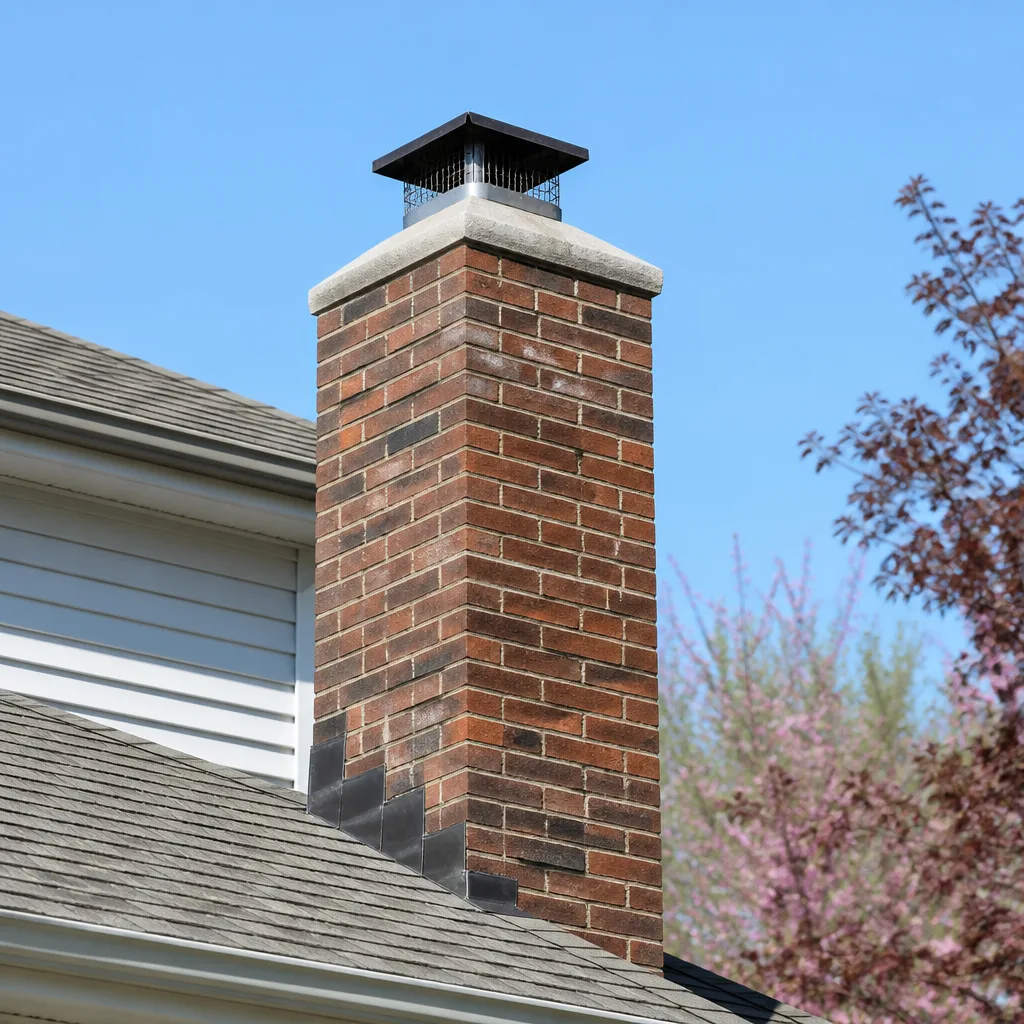
Level 1 sweep and inspection to the NFPA 211 annual standard - flue, crown, cap, and flashing checked and photographed
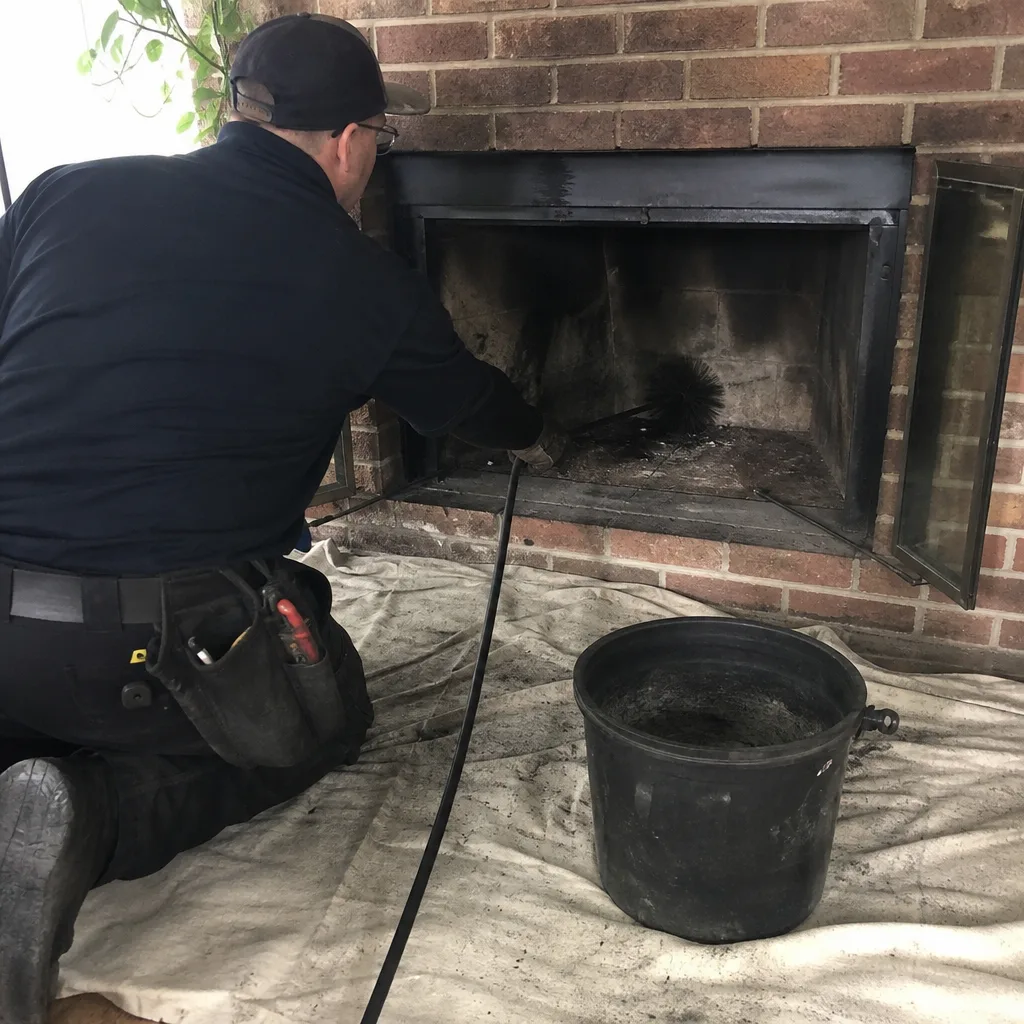
Chimney sweep logs do not sweep chimneys. They loosen some creosote - which then falls where a brush and vacuum still have to collect it.
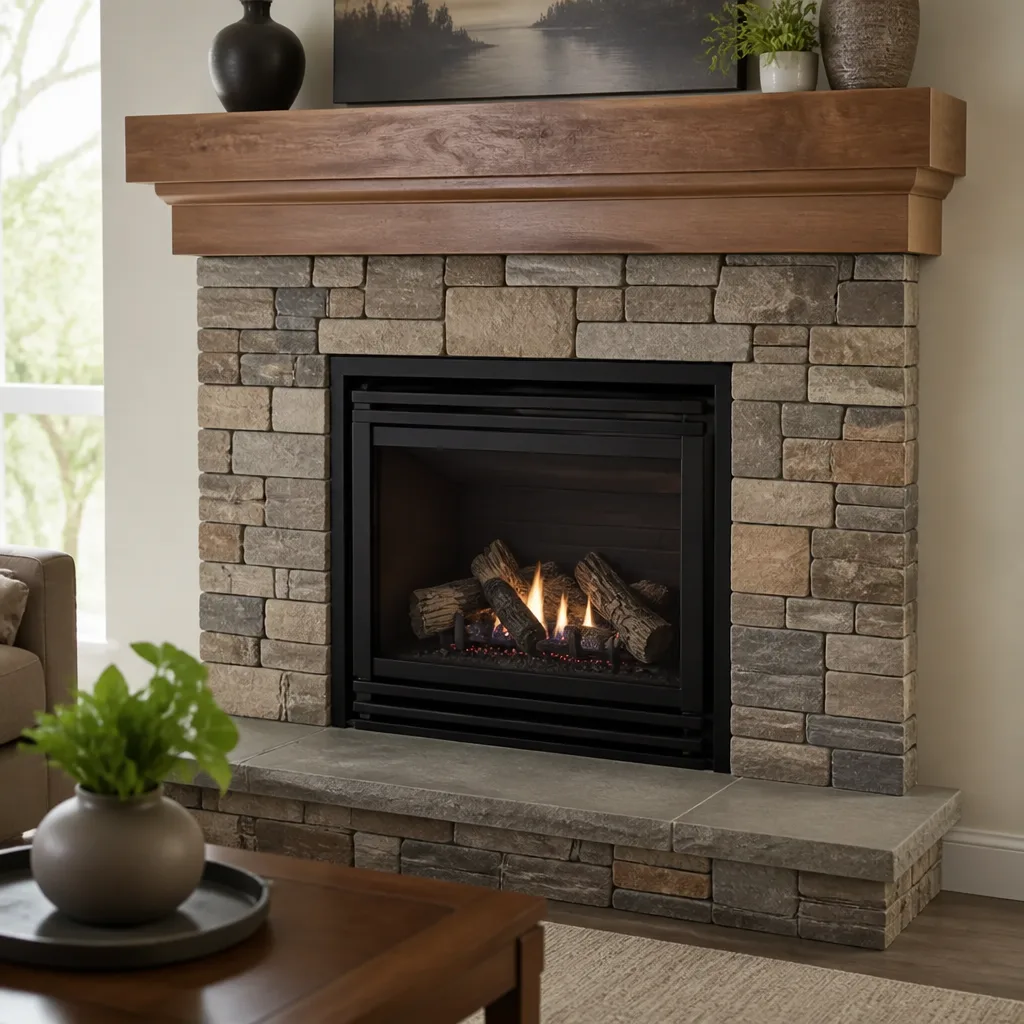
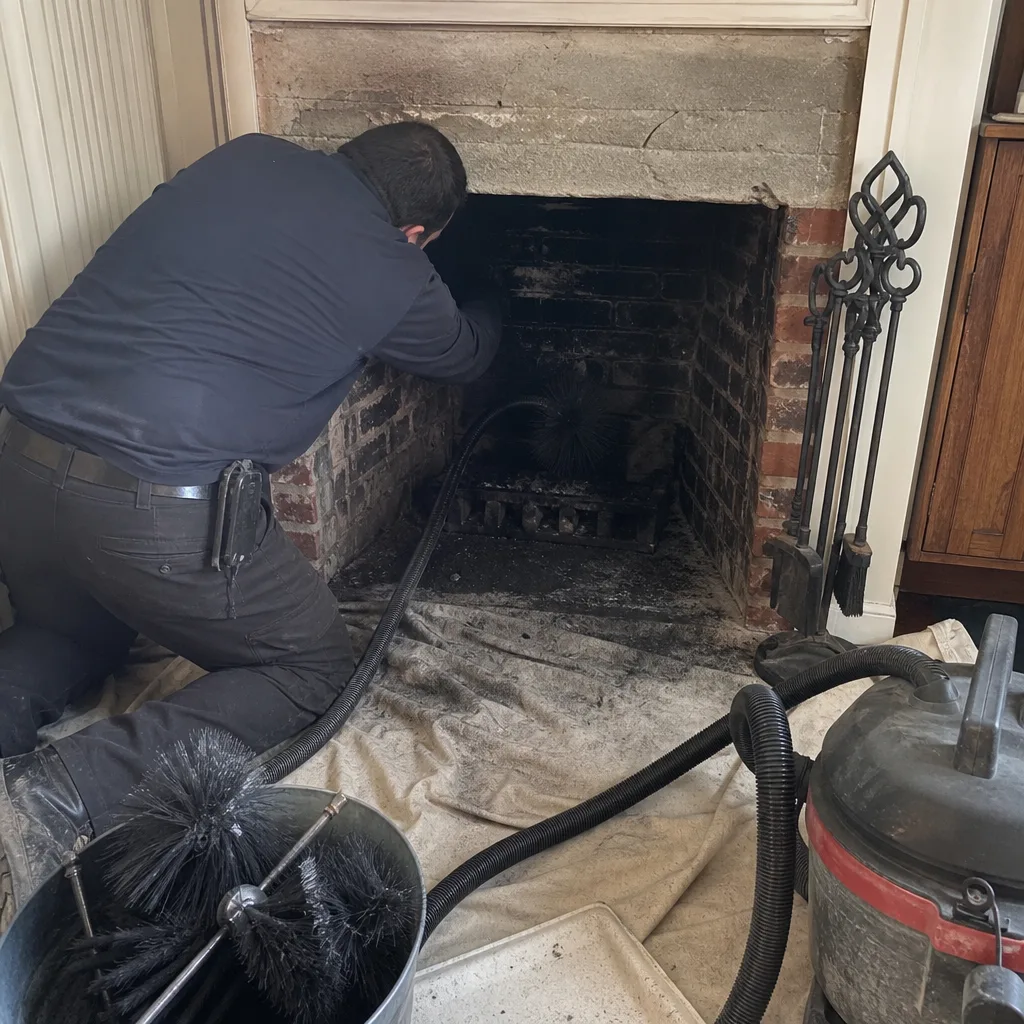 Before
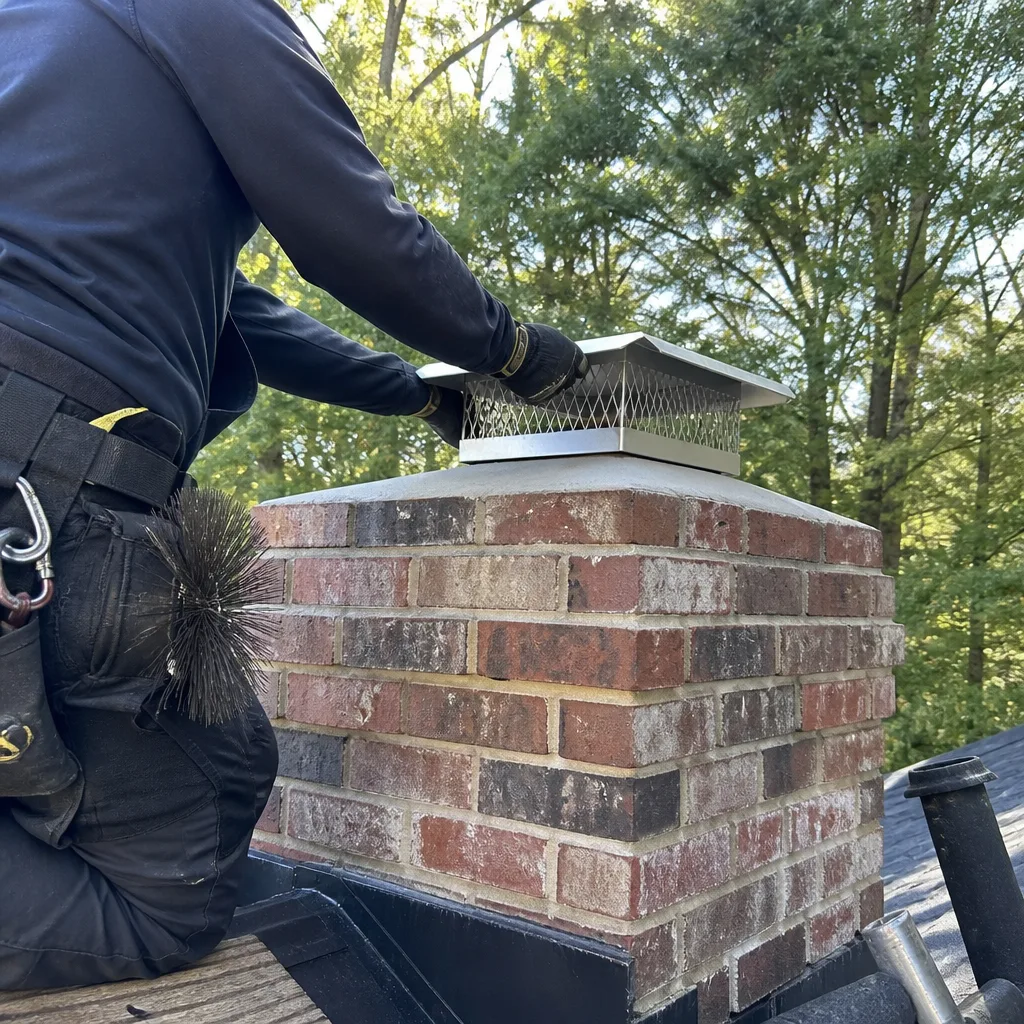 After
After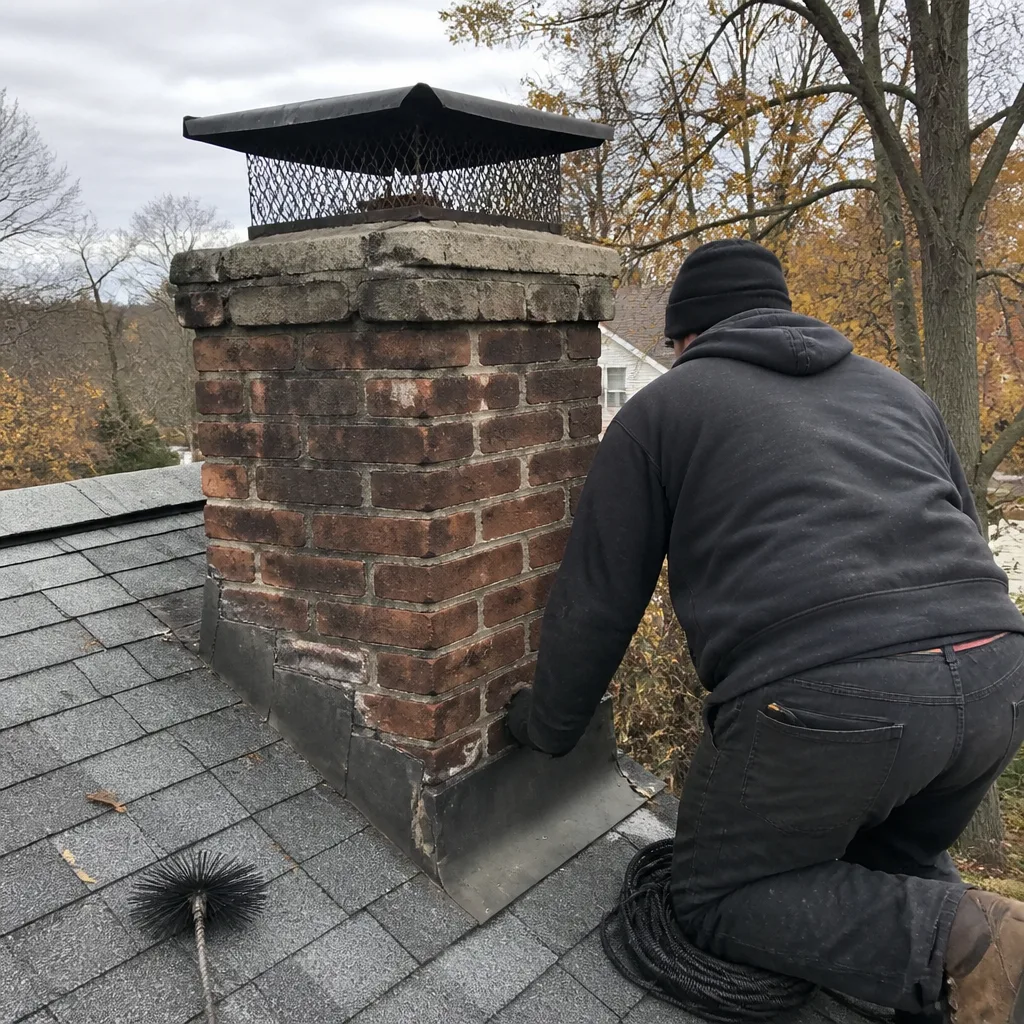 Before
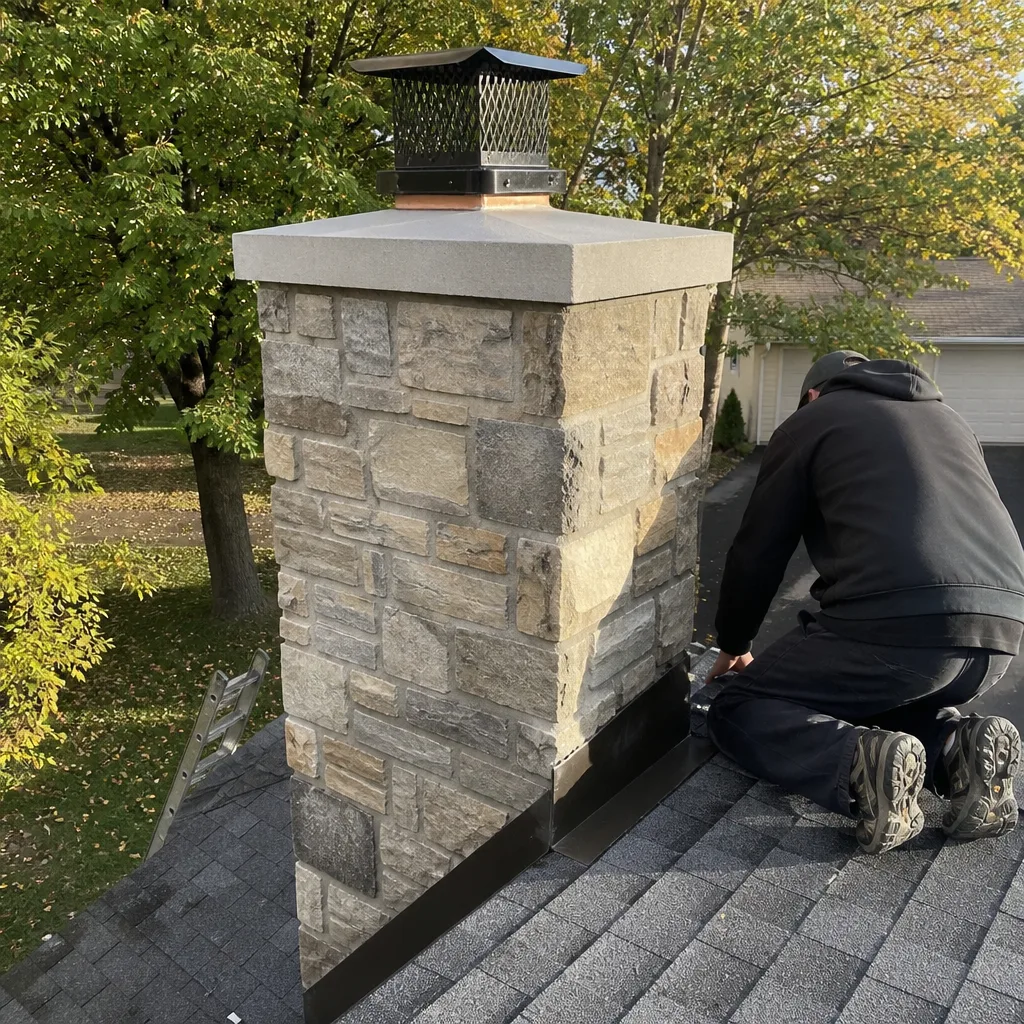 After
After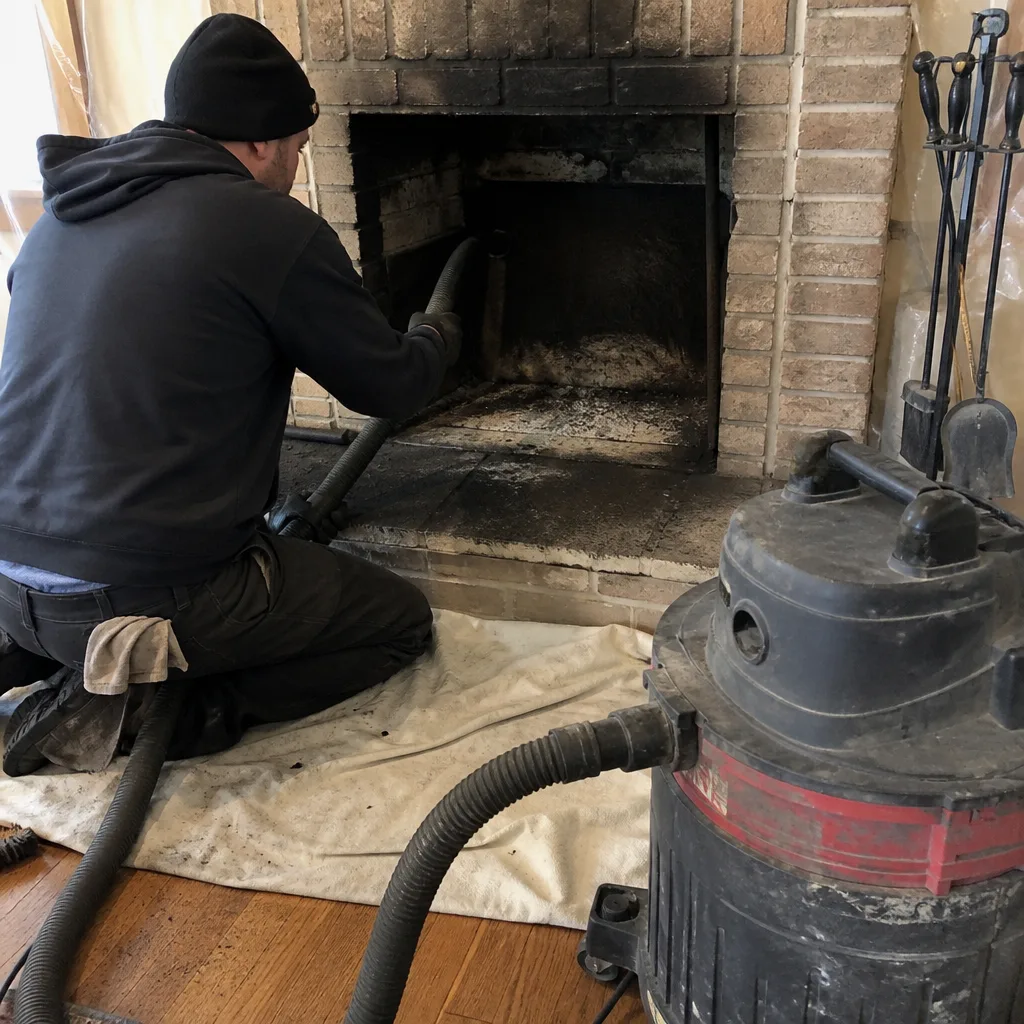 Before
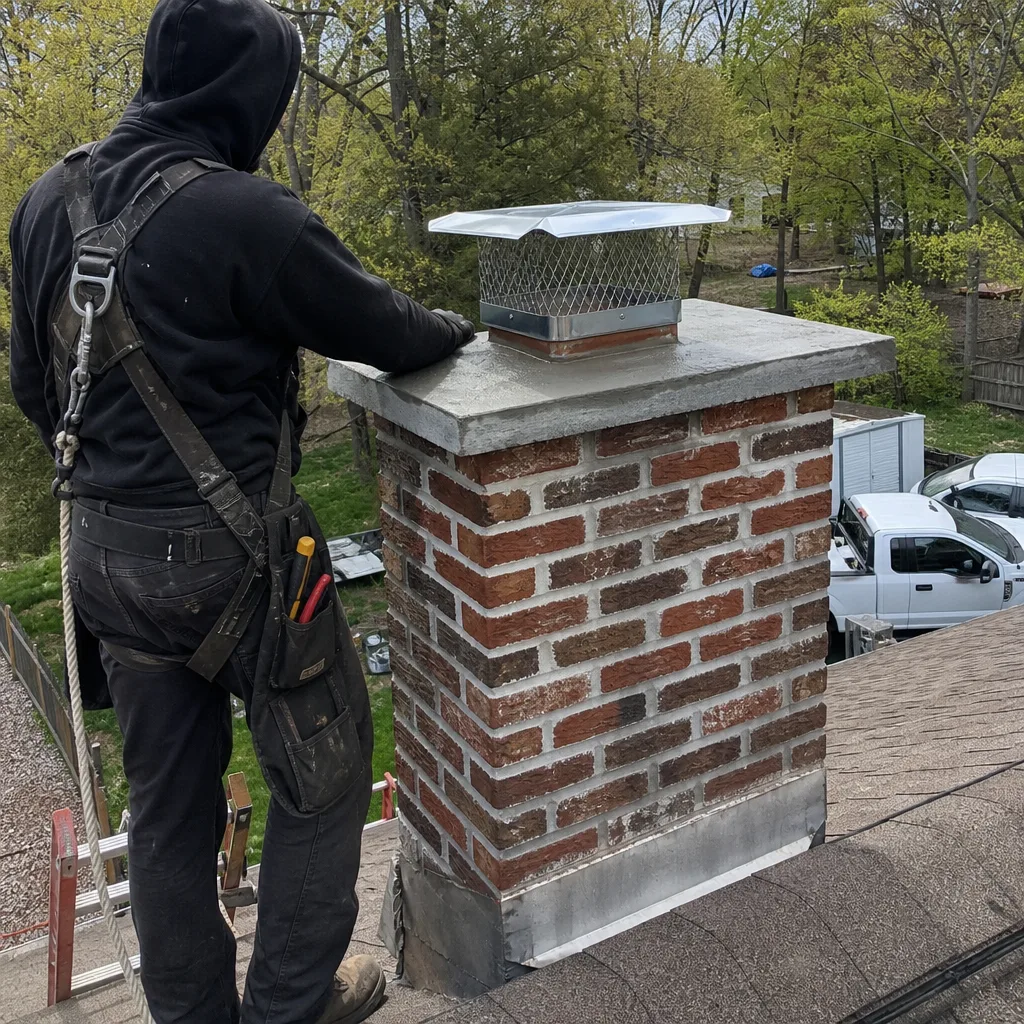 After
AfterHeatShield Flue Liner Replacement: The Collegeville Owner’s Guide
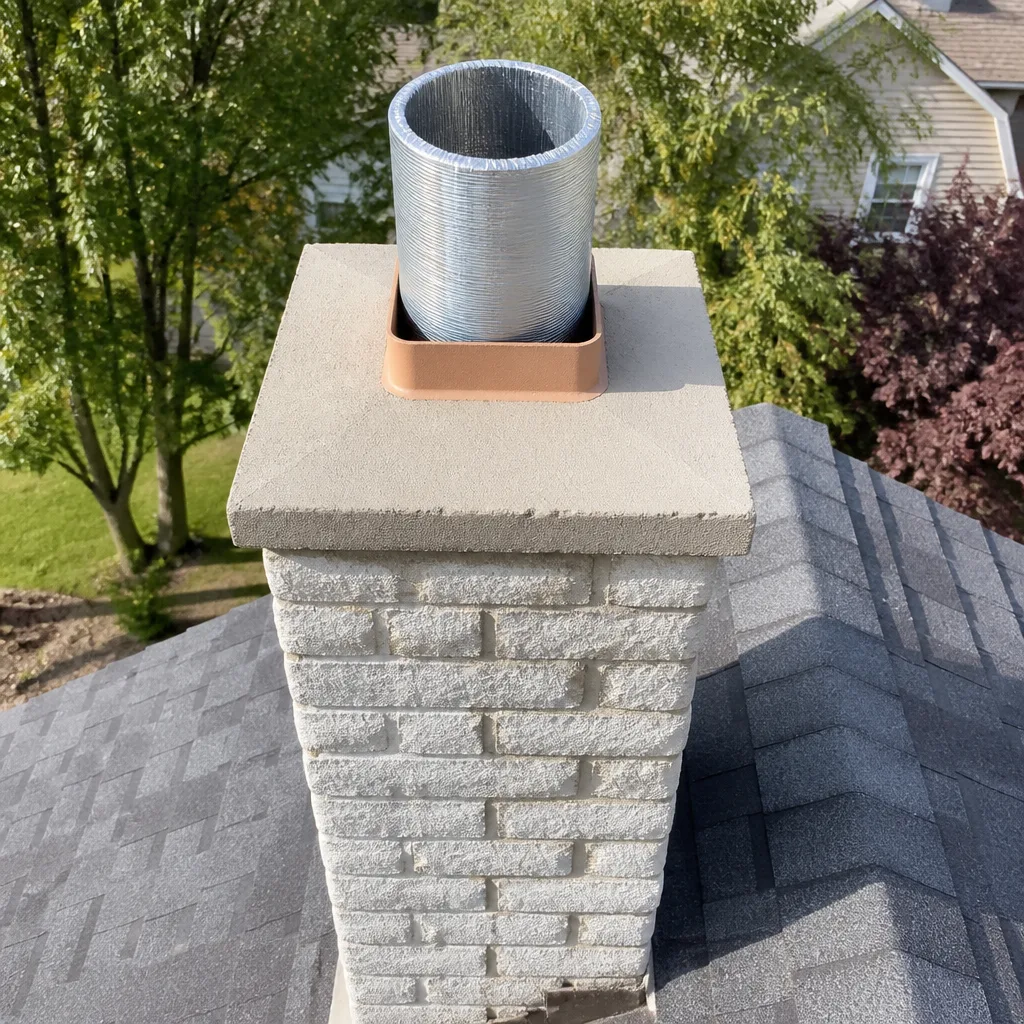
HeatShield flue liner replacement in Collegeville typically runs $2,800-$4,200 installed for a standard masonry chimney, with most jobs completed in a single day once the NFPA 211 Level 2 camera inspection confirms the scope. We stock HeatShield-compatible materials through our Haven buying network and can source exact-match OEM or quality aftermarket equivalents depending on your existing liner series and budget. Homeowners usually discover the failure during a routine sweep when the camera reveals flaking ceramic, exposed mortar joints, or pinhole corrosion that wasn’t visible from the firebox.
Which HeatShield Models This Applies To
HeatShield manufactures two distinct product lines that affect what replacement part you need: the Cerfractory Flue Sealant system (a resurfacing compound applied to existing clay tile liners) and the HeatShield Sleeve (a stainless steel or alloy liner insert). The Cerfractory system is not a standalone liner; it’s a ¼-inch coating that bonds to sound tile. If that coating has delaminated or the underlying tile has cracked, you’re looking at sleeve replacement, not a re-coat.
To identify what you have, check the metal data tag on the chimney cap or the documentation left by your last installer. The sleeve series will show either UL 1777 listing numbers or HeatShield’s own model prefix (HS-SLV for sleeves, HS-CRF for Cerfractory jobs). Measure the flue diameter at the thimble, not the firebox opening; HeatShield sleeves come in 3″, 4″, 5″, 6″, 7″, and 8″ rounds, with oval conversions available for fireplace smoke chambers. The gotcha we see in Collegeville’s 1960s-1980s split-levels near Skippack Pike: builders often used 8×8 clay tile (nominal) that measures 6.5″ inside after mortar buildup, so an owner orders a 6″ sleeve and discovers it won’t pass the shoulder.
We source OEM HeatShield sleeves and Cerfractory materials through our Haven buying network, alongside aftermarket equivalents from DuraFlex and Gelco when the application allows. The aftermarket decision depends on your existing warranty terms and whether your chimney has an offset that requires a specific alloy flexibility.
Signs Your HeatShield Flue Liner Replacement Is Failing
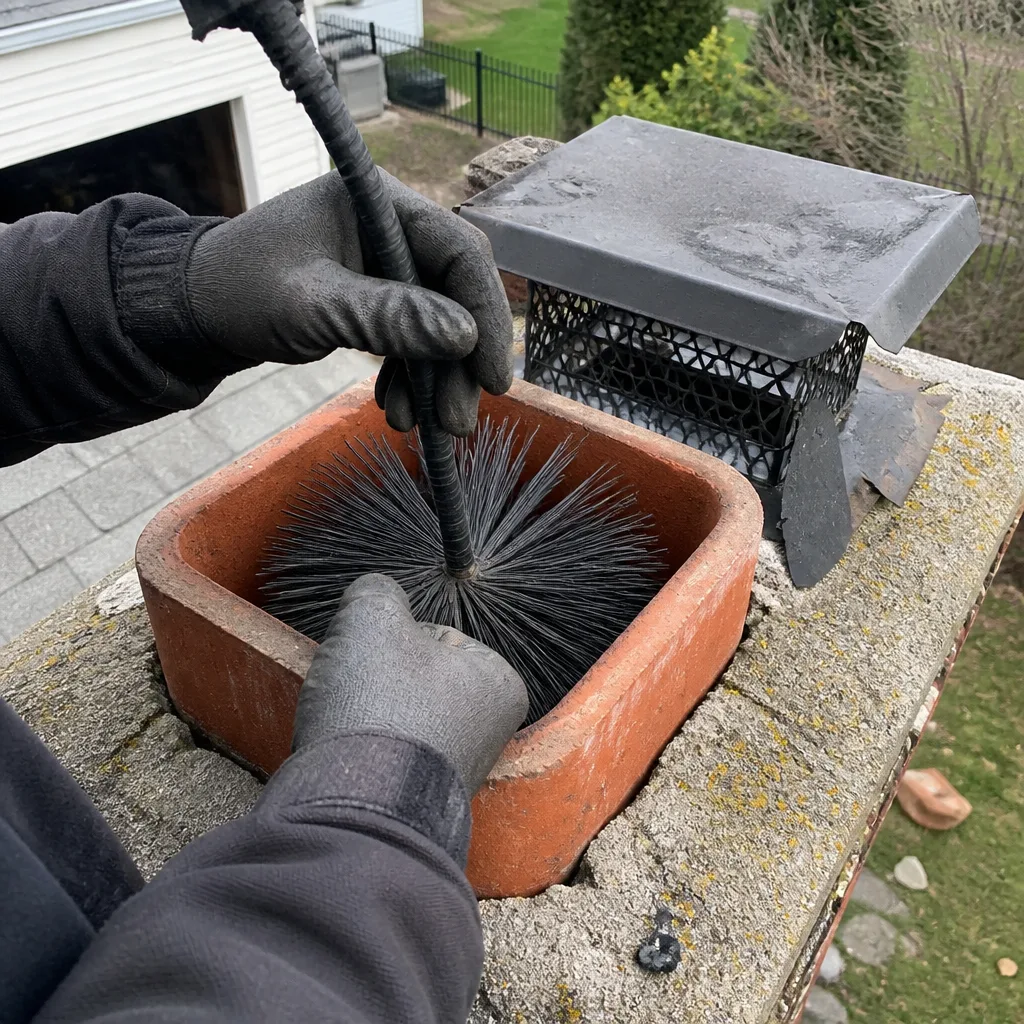
- White or tan powder on the firebox floor. This is Cerfractory coating degrading; the ceramic binder is leaching out as efflorescence. In Collegeville, we see this accelerated by the freeze-thaw cycling that comes with our wet March-April shoulders and sudden November cold snaps.
- Spalling tile visible from below, or a “sandfall” during burning season. The liner’s structural layer is shedding. If you have a HeatShield sleeve underneath, the gap between sleeve and tile is filling with debris that blocks inspection access and traps moisture against the steel.
- Smoke smell in upstairs rooms when the fireplace is not in use. A breached liner is allowing flue gases to migrate through cracked mortar into the chimney chase. HeatShield sleeves are designed to contain all combustion products; any odor means a gap, seam failure, or corrosion pinhole.
- Water staining on the chimney breast in summer, no roof leak evident. Condensation forming inside a compromised liner runs down rather than exhausting. We find this frequently in Collegeville’s tighter new construction near Providence Town Center, where HVAC negative pressure pulls air down the flue when the system cycles.
- The sweep’s camera shows orange rust blooming on a “stainless” sleeve. HeatShield’s standard 316Ti alloy resists most creosote acids, but if the original installer used a lower-grade alloy or if the cap has been missing for seasons, chloride attack from leaf decomposition and animal urine will pit the surface. The rust is iron migration from the pit base; by the time it’s visible, wall thickness is compromised.
BeforeAfterReplacement Cost & What’s Included
| Scope | Price Range |
|---|---|
| Cerfractory re-coat (sound tile, surface failure only) | $1,800-$2,600 |
| HeatShield sleeve replacement, straight flue, standard access | $2,800-$3,600 |
| Sleeve replacement with offset, smoke chamber work, or difficult access | $3,600-$4,800 |
| Full liner extraction and stainless steel upgrade (DuraFlex or Gelco) | $4,200-$5,800 |
What drives the range: flue height (a three-story colonial on Main Street adds material and rigging time), number of appliance connections (a furnace and fireplace wye costs more than a single fireplace), and whether the existing liner can be extracted or must be collapsed in place. Every quote we deliver in Collegeville includes the NFPA 211 Level 2 camera inspection, a written scope with line-item pricing, and a documented photo record under Haven Standard Clause 4. The 365-Day Done Right Promise covers all liner work; if the draft readings don’t match our specification, we return and correct it.
DIY or Call Us?
There’s a safe middle ground and a hard stop. An owner can verify the model tag, measure the flue diameter with a tape measure (wear gloves; clay tile edges are sharp), and photograph any rust or spalling for our review. What you cannot safely do: drop a liner yourself. The sleeve arrives coiled and must be pulled from the top down with controlled tension; a kink or twist at the shoulder traps the assembly mid-flue, and extraction requires dismantling the chimney crown. More critically, a dropped liner that contacts live electrical or gas service in the chase creates an immediate hazard.
We also see DIY attempts where the owner sizes correctly but misses the insulation requirement; HeatShield sleeves in exterior chimneys in Collegeville’s climate require ½-inch minimum insulation wrap to maintain flue gas temperature and prevent creosote condensation. Uninsulated, the liner fails warranty and creates a fire risk within two seasons. The camera doesn’t lie, and neither does the written price. Call (610) 884-0366 and we’ll scope it, name the exact replacement, and give you the installed number before we schedule.
FAQs
A properly installed HeatShield sleeve typically lasts 15-25 years, but in Collegeville’s climate we see Cerfractory coatings need refresh at 8-12 years when the chimney is on a north-facing exterior wall with poor crown drainage. Annual NFPA 211 Level 2 inspection catches degradation before it becomes a safety issue. Call (610) 884-0366 to schedule; estimates are free.
Cerfractory coatings can be re-applied if the underlying clay tile is sound and the delamination is less than 20% of the flue surface. Sleeves cannot be patched; once pitting or seam failure occurs, replacement is the only code-compliant option. We determine which applies with a camera scan, and we show you the footage before quoting. Call (610) 884-0366 for a free second opinion on any other written estimate.
Most HeatShield sleeve replacements are completed in one day, with the crew arriving between 8 and 9 a.m. and the system ready for use by evening. Jobs requiring smoke chamber parging, offset navigation, or crown rebuild add a second day. We text when the technician is en route, and license number is displayed on every page.
We stock common sleeve diameters (6″, 7″, and 8″) and Cerfractory compound in our Collegeville warehouse, sourced through our Haven buying network alongside DuraFlex and Gelco materials. Specialty sizes or alloy upgrades typically arrive within 48 hours. We’ll confirm availability when you call (610) 884-0366 with your model tag or flue measurement.
Written by Corrine Halstead, Owner, Emberly Chimney Cleaners Collegeville at Emberly Chimney Cleaners Collegeville, serving Collegeville and nearby areas.