
Last updated September 22, 2026
Level 1 sweep and inspection to the NFPA 211 annual standard - flue, crown, cap, and flashing checked and photographed
Chimney sweep logs do not sweep chimneys. They loosen some creosote - which then falls where a brush and vacuum still have to collect it.
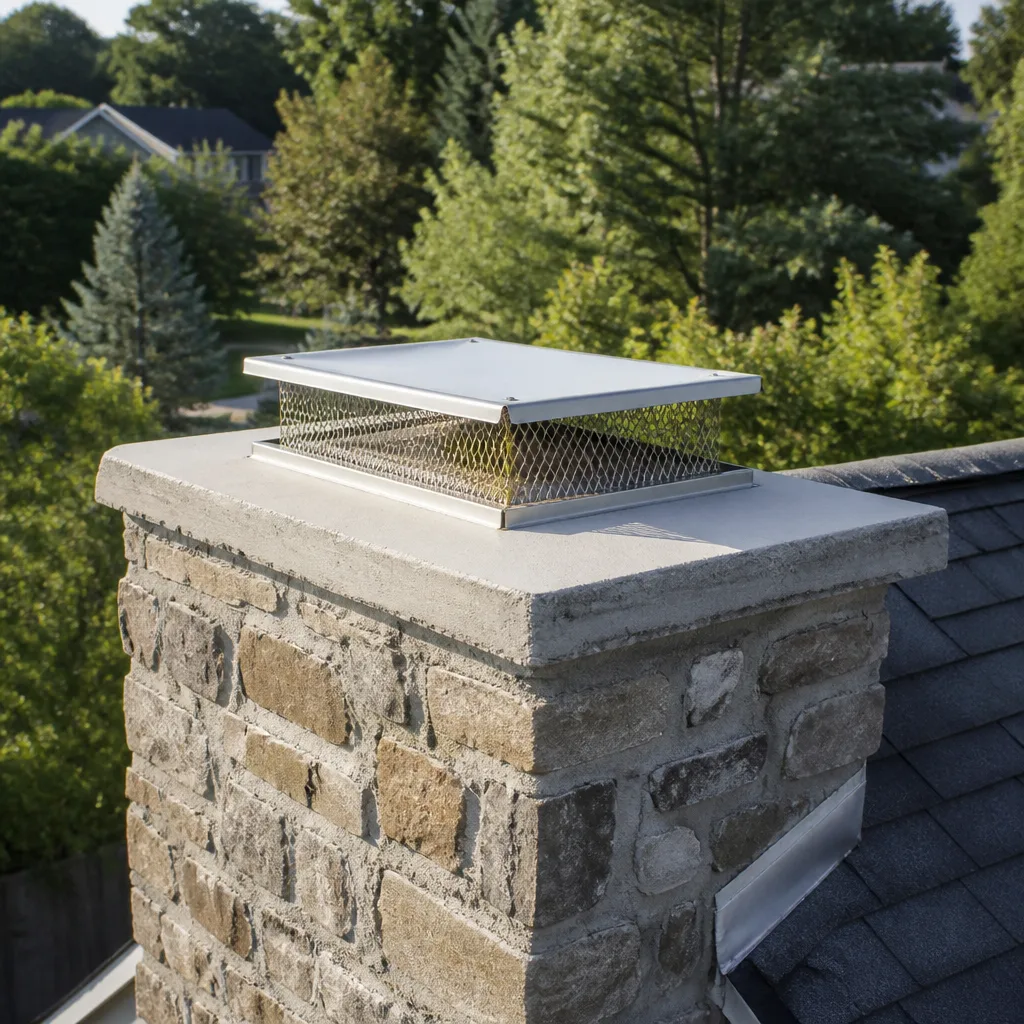
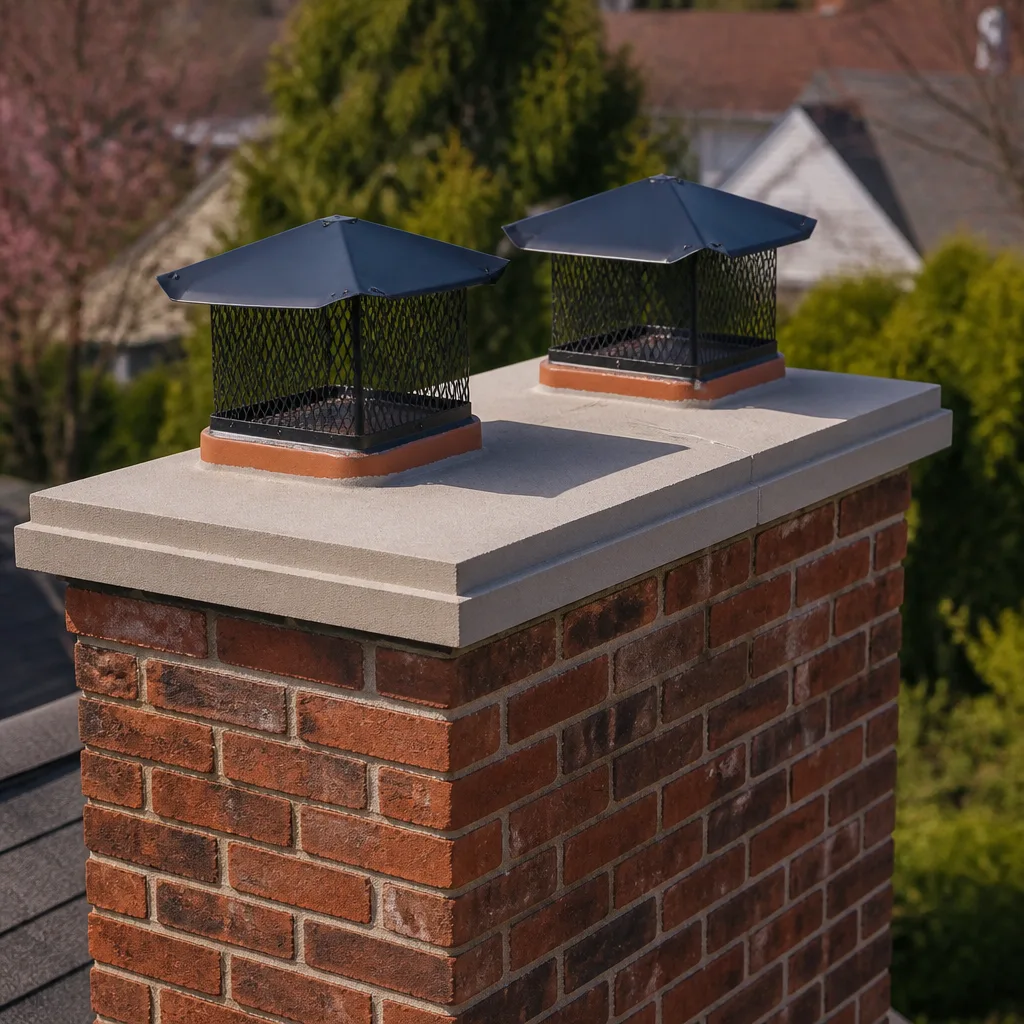
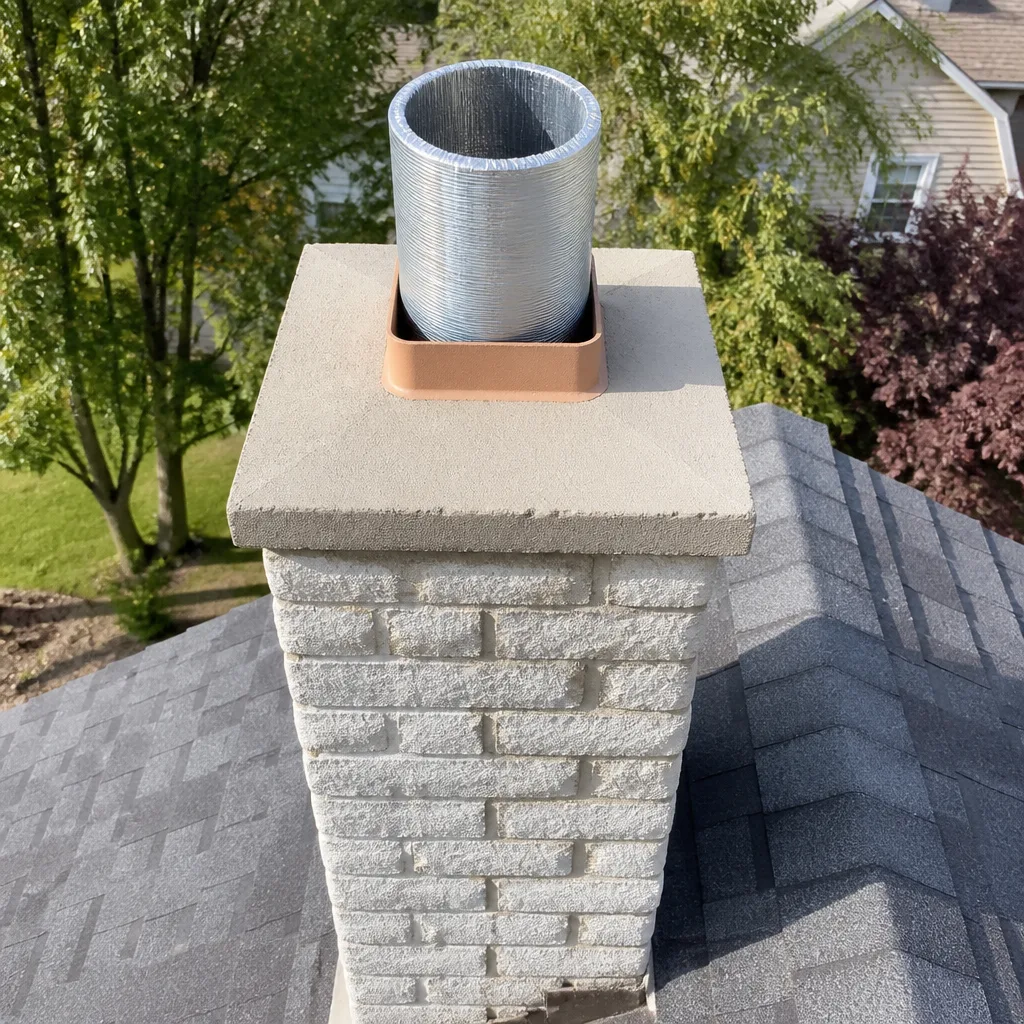
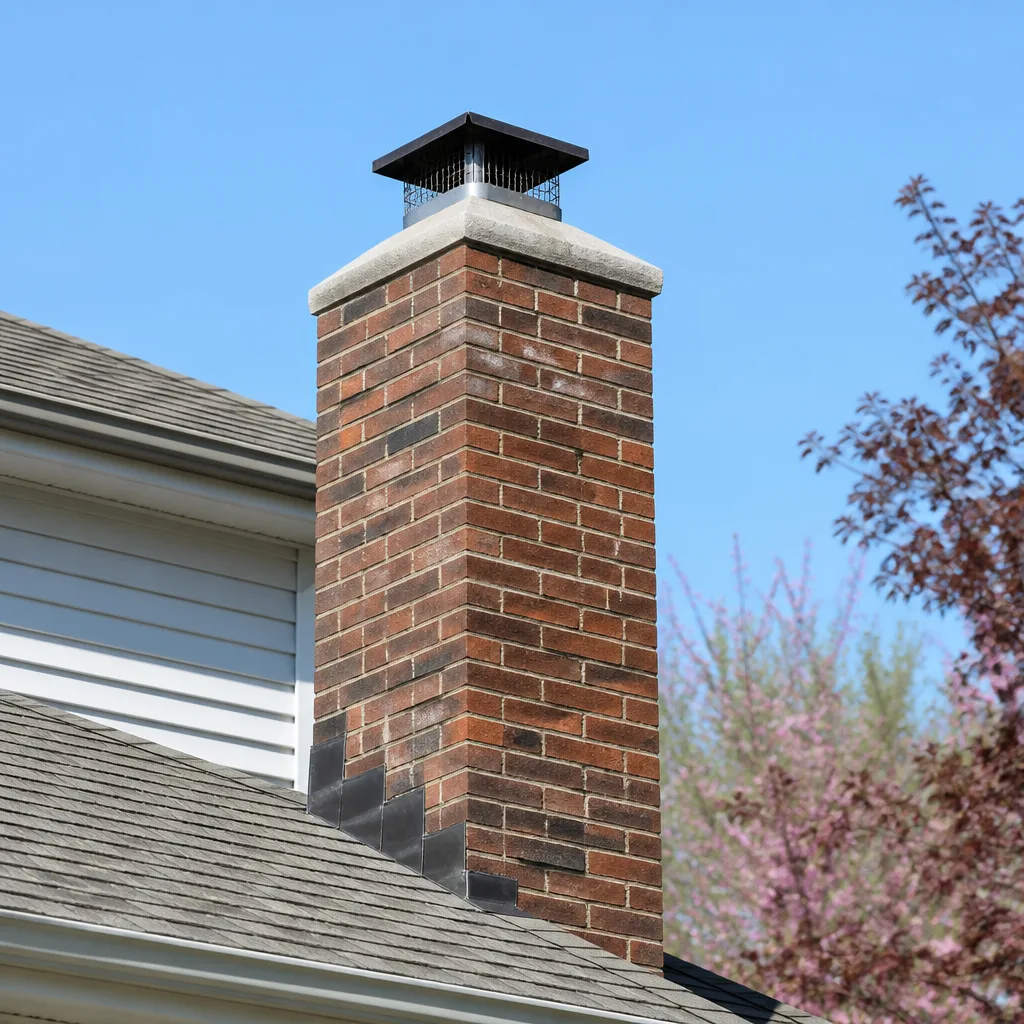
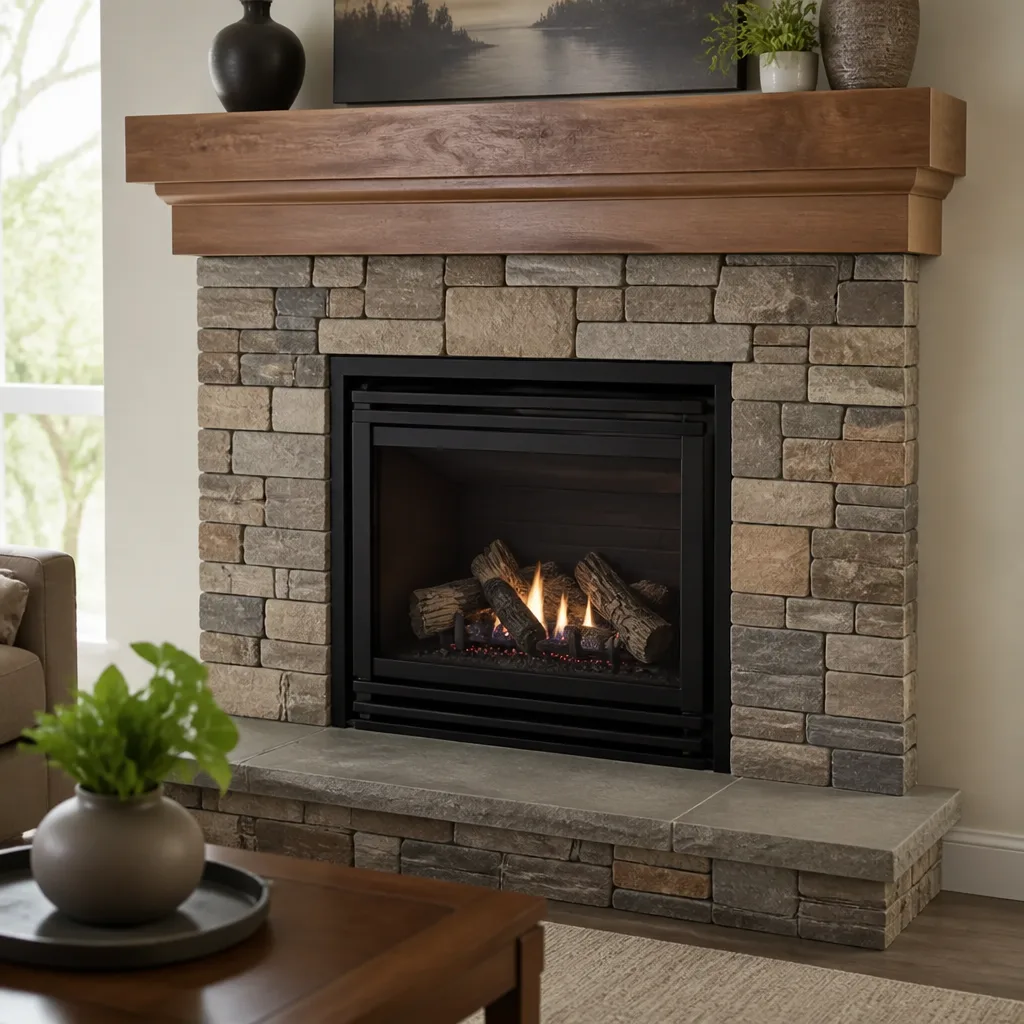
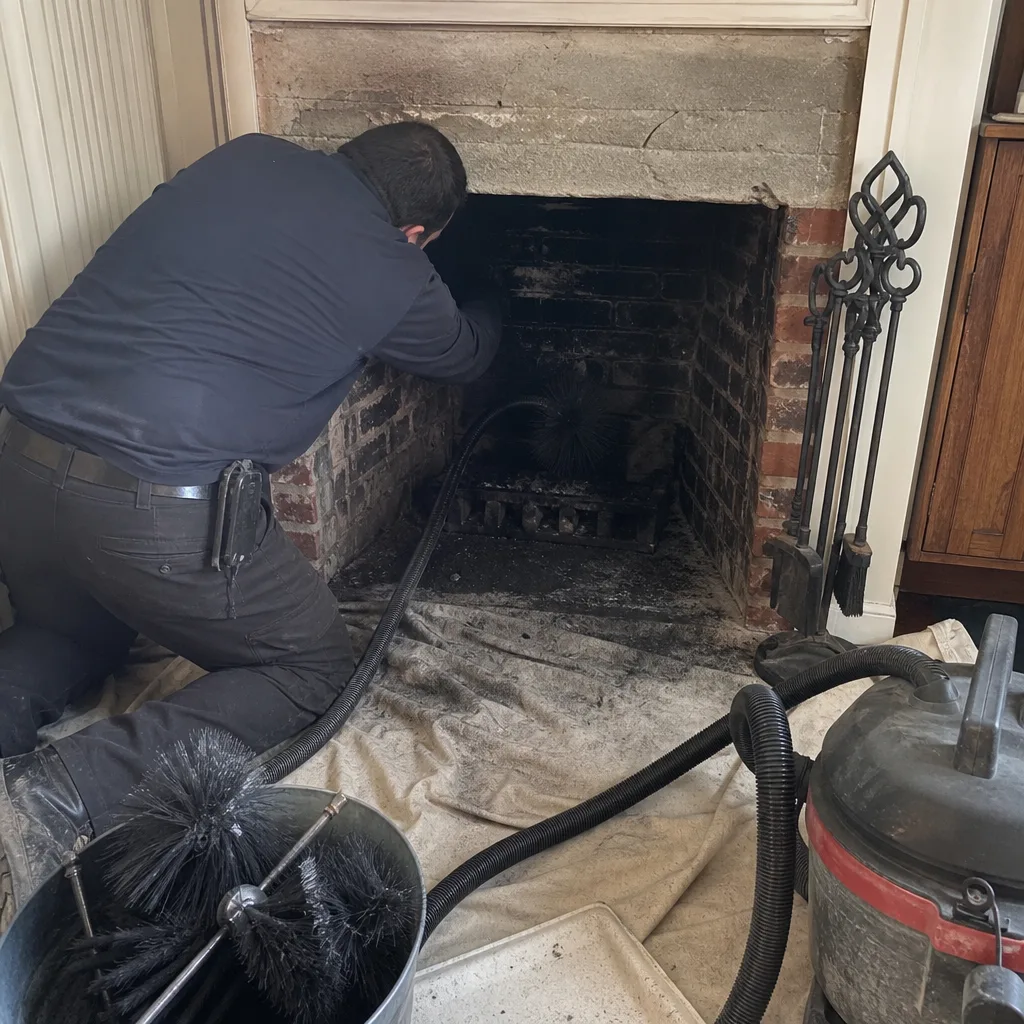 Before
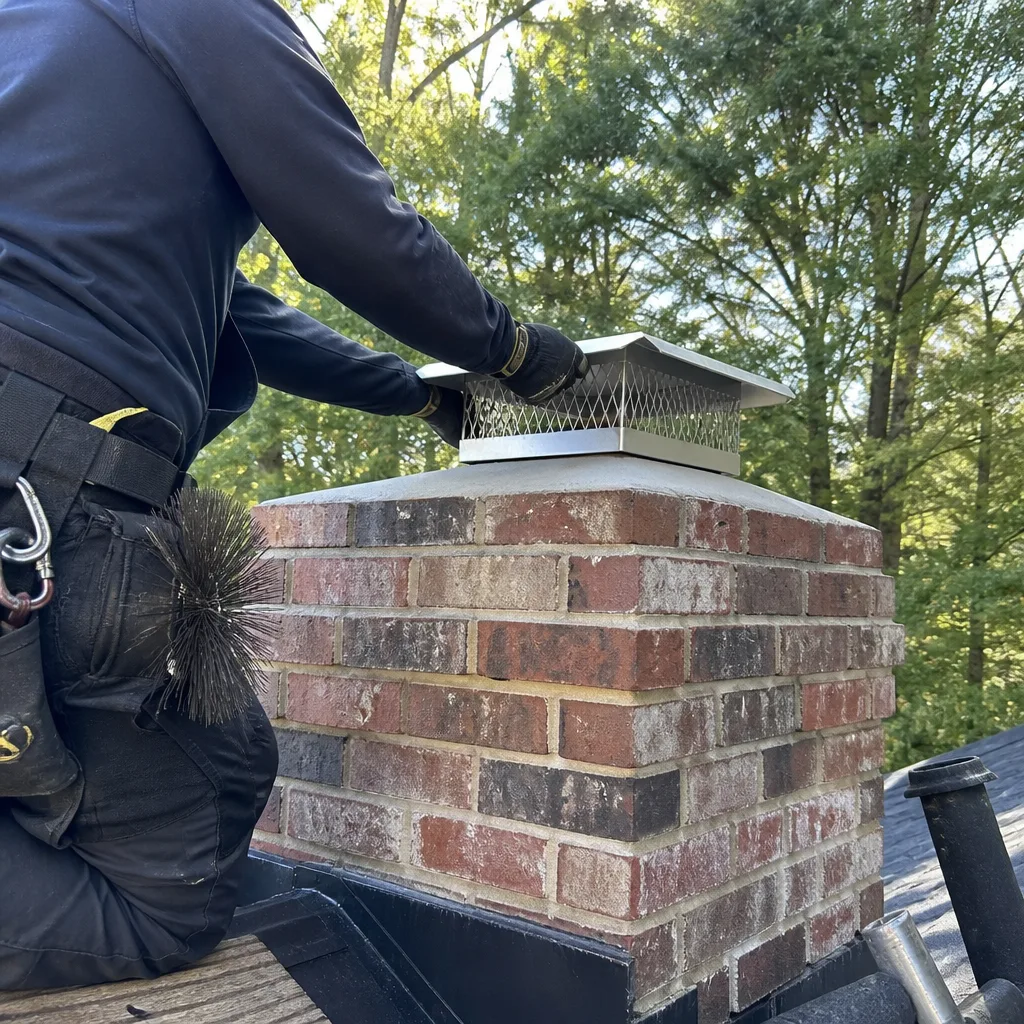 After
After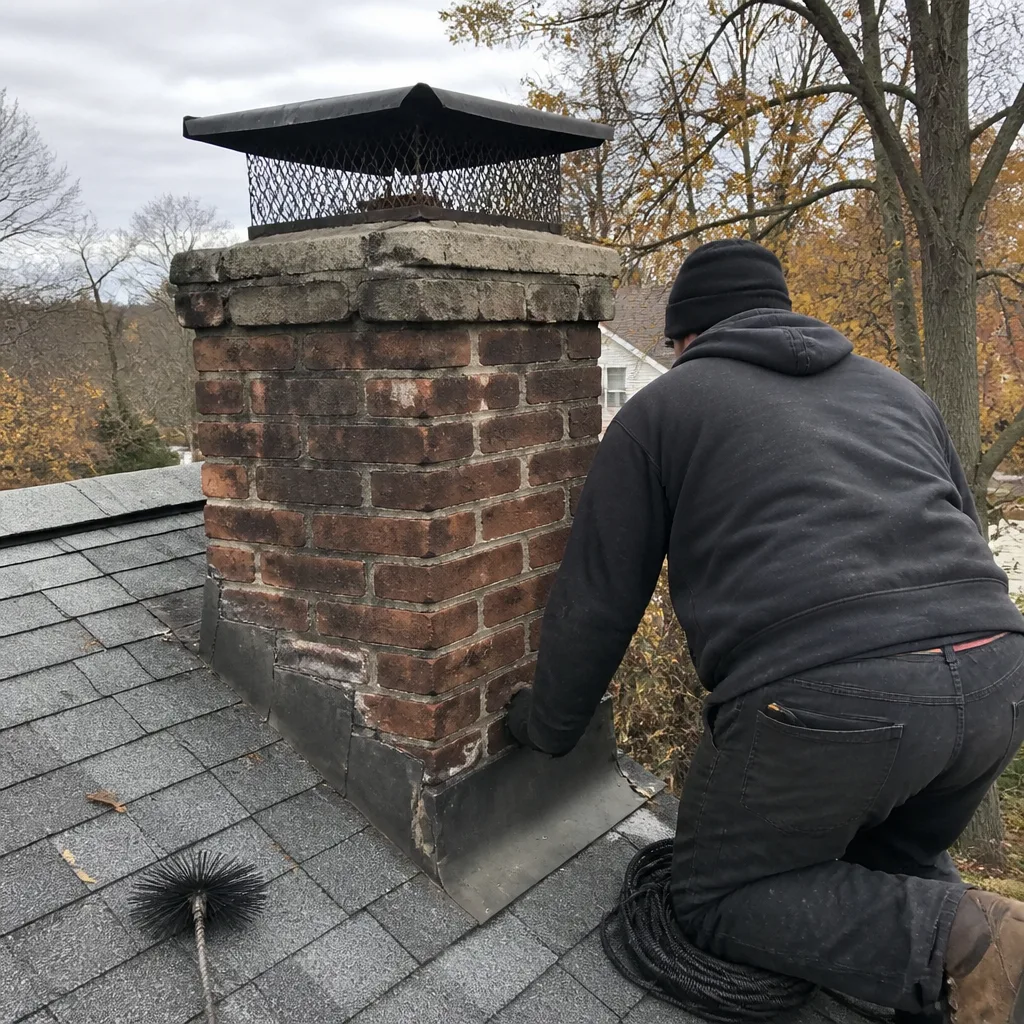 Before
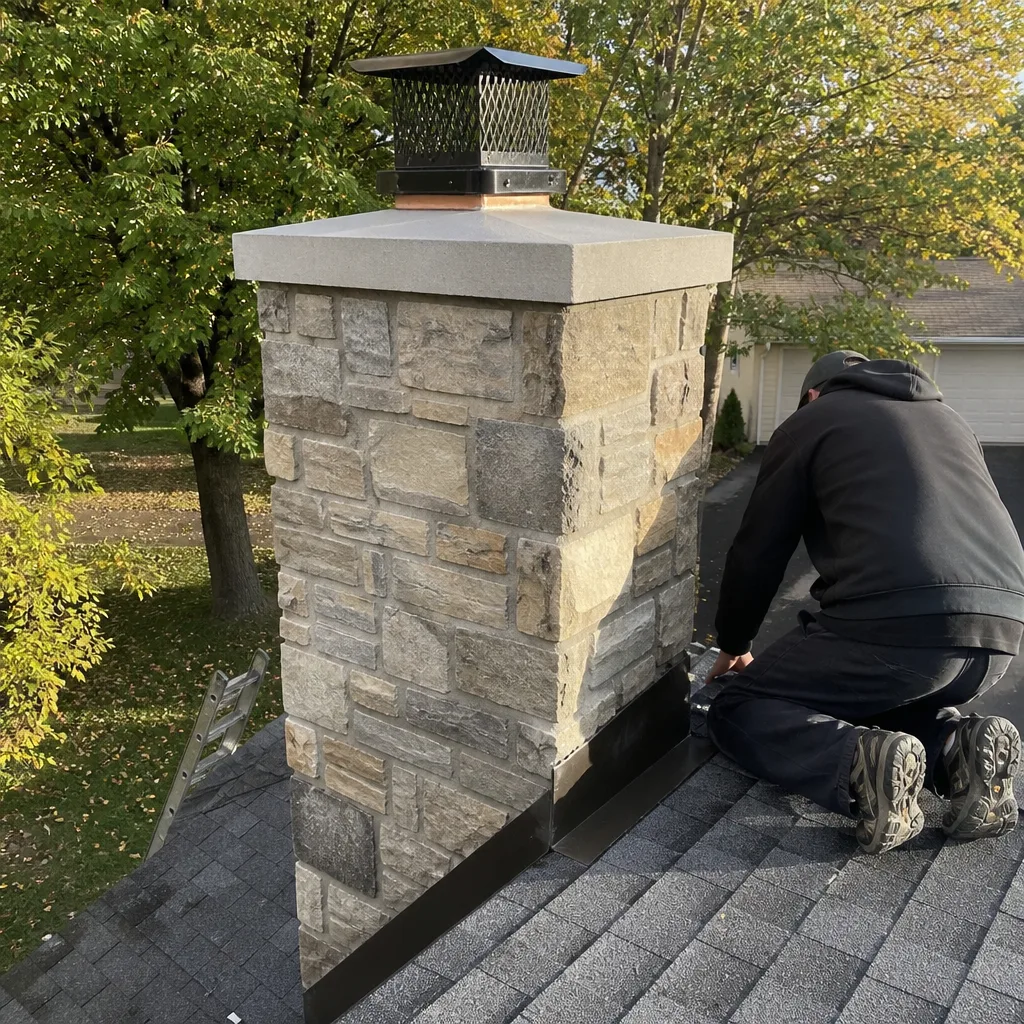 After
After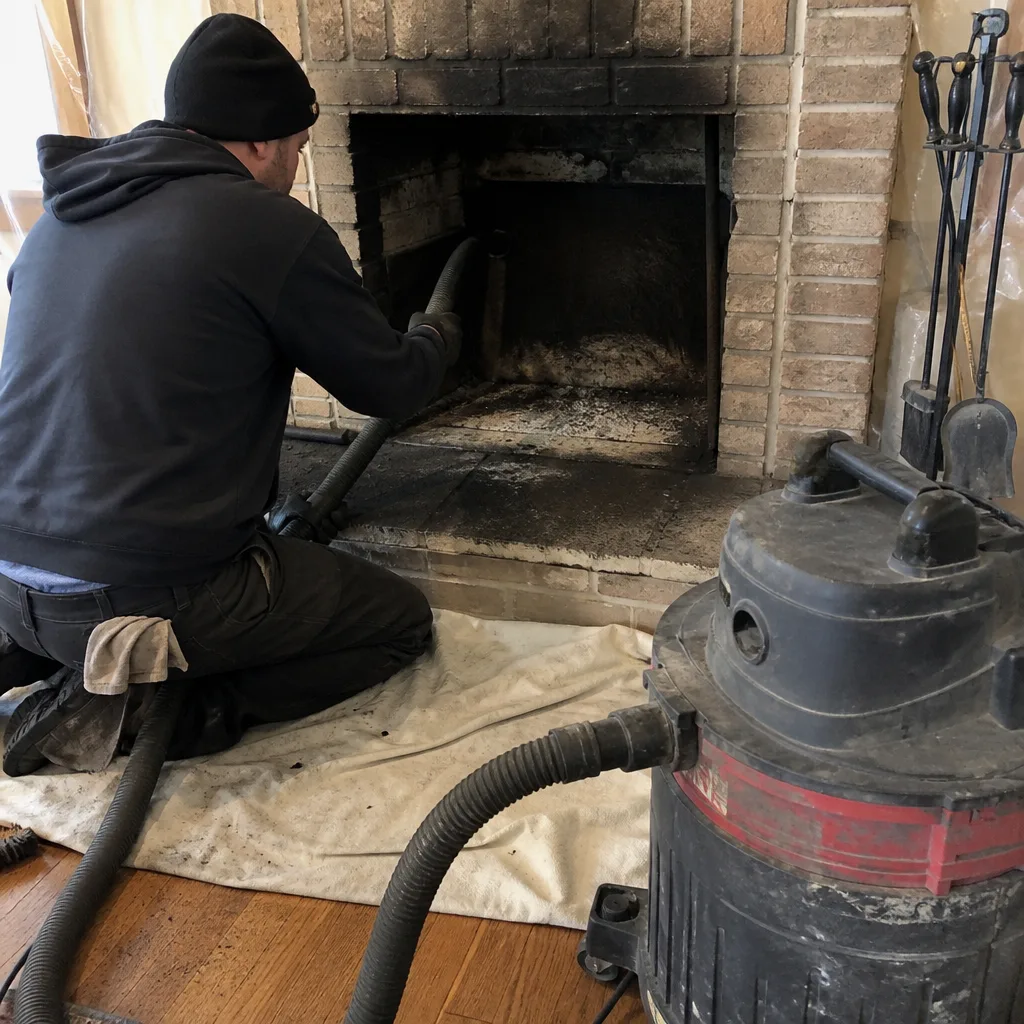 Before
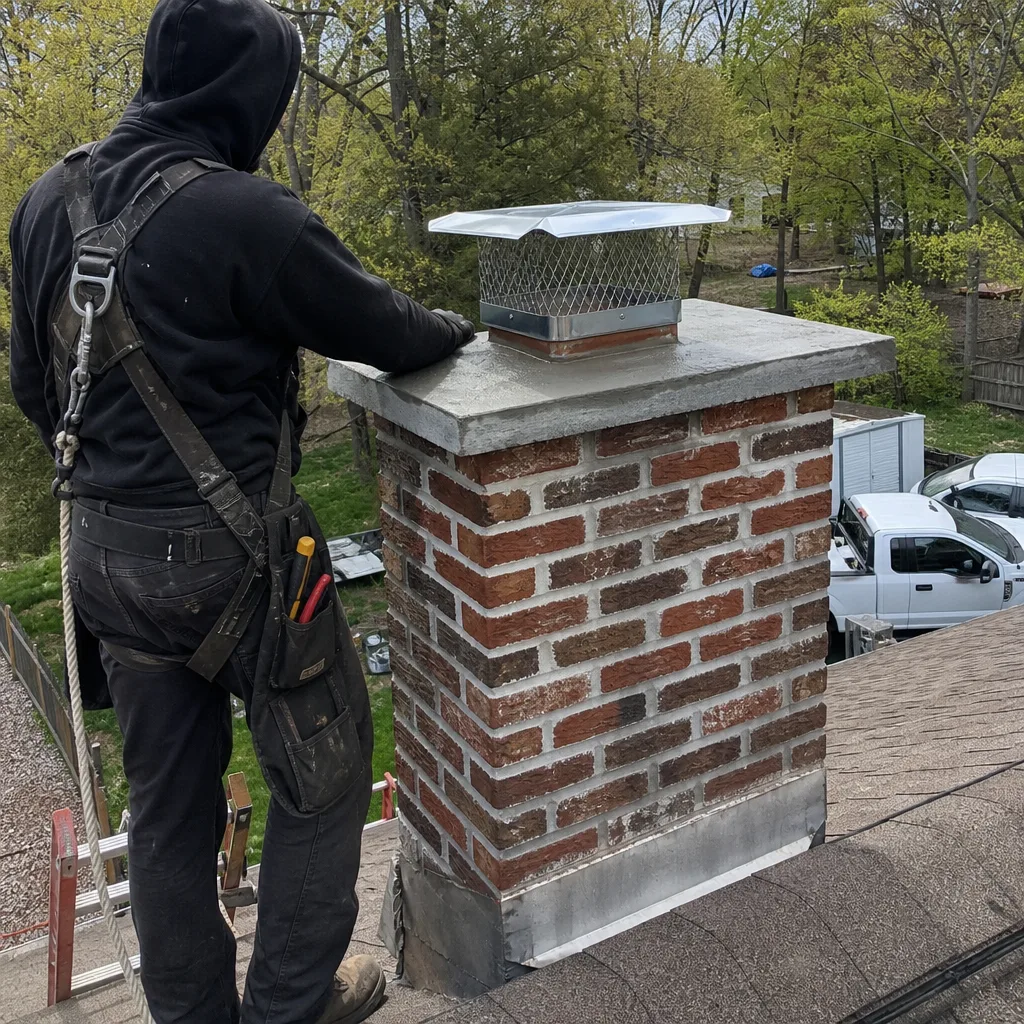 After
AfterSeasonal Chimney Cleaning Care for Collegeville: Year-Round Homeowner’s Guide
September is when most Collegeville homeowners call to schedule a chimney cleaning. It’s also the worst possible time to discover a liner crack that’s been widening since February’s last freeze-thaw cycle, because heating season is already two months away and the good appointment slots are gone. In our experience inspecting more than 38,000 chimneys since 2009, the homeowners who avoid emergency repairs are the ones who stopped treating chimney care as a single fall checkbox. Collegeville’s humid summers, hard freeze-thaw winters, and heavy leaf fall from its mature oak and maple canopy create four distinct failure windows that a once-a-year cleaning schedule simply doesn’t catch. This guide maps each season to what it actually does to your flue, what to look for, and when to act - and you can find more guides & resources in our blog.
Quick Answer
Seasonal chimney care in Collegeville requires a two-visit annual schedule: a post-heating-season camera inspection in May or June to assess creosote stage and freeze-thaw damage, plus a pre-season NFPA 211 Level 2 inspection in September or October to clear summer moisture, verify cap integrity, and confirm safe operation before first fire. A single fall appointment misses crown cracks that worsen through winter, condensation staining that accelerates liner corrosion, and wasp nest blockages that form during peak summer activity.
Table of Contents
- February-March: The Hidden Damage Window
- May-June: The Post-Season Camera Inspection
- August: Summer Condensation and Pest Blockage
- October: The Pre-Season Inspection Before First Fire
- Building Your Two-Visit Annual Schedule
- What Seasonal Chimney Care Costs in Collegeville
- Common Mistakes to Avoid
- When to Call a Professional
- Frequently Asked Questions
BeforeAfterFebruary-March: The Hidden Damage Window
Collegeville’s winter pattern is brutal on masonry. Temperatures swing from the teens to the fifties and back again, sometimes within a single week. Water that seeps into hairline crown cracks during a January thaw freezes, expands, and widens those cracks by March. By the time you’re lighting fires again next November, that crown crack has become a water intrusion channel feeding spalling brick and deteriorating mortar joints.
Here’s what February and March do to a chimney in the Perkiomen Valley:
- Freeze-thaw cycling accelerates mortar joint deterioration at the roofline, where the chimney is most exposed to wind-driven rain and temperature swings.
- Class III creosote (glazed, tar-like, and highly combustible) that formed during heavy January use is now cooling and hardening in the flue, making spring removal more difficult if left until fall.
- Exhaust gases condense in cold upper flue sections during low-fire conditions, creating acidic moisture that attacks stainless steel liners and clay tile joints.
- Snow load and ice damming stress the chimney structure, particularly on homes in Skippack and Trappe with steep-pitch roofs where ice collects at the chimney cricket.
What to do during this window: Walk the exterior after the last hard freeze. Look for fresh white efflorescence on brick faces (water is moving through the masonry), new gaps at the crown-to-flue tile interface, or displaced chimney cap screening. Inside, check the firebox for water staining on the rear wall - a sign that flue gases are condensing or that exterior water is finding its way down.
We see this pattern repeatedly in Collegeville’s 1980s and 1990s subdivisions, where chimneys were built with standard mortar mixes that weren’t formulated for the thermal stress of modern high-efficiency appliances exhausting into older flues. The freeze-thaw damage is often invisible from the ground and undetectable without a camera scan.
If you notice any of these signs, schedule an inspection before spring rains accelerate the damage. Waiting until September means six more months of water intrusion with every storm.
May-June: The Post-Season Camera Inspection Window
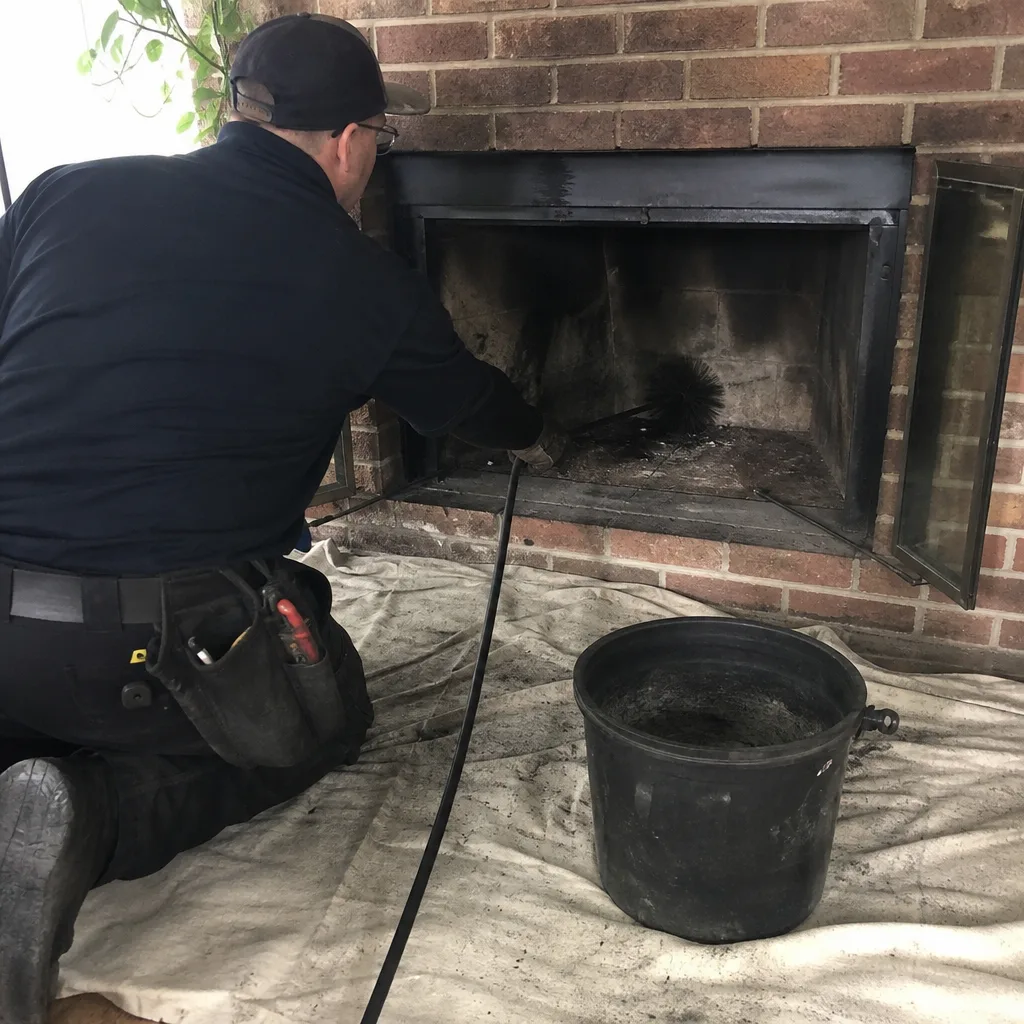
This is the most underused appointment window in Collegeville, and it’s the one that catches problems before they become expensive. After your last fire of the season, the flue contains the complete record of your heating season: creosote class and thickness, liner condition after months of thermal cycling, and any debris or animal nesting that occurred during active use.
Why clean and inspect in May or June rather than waiting for fall?
- True creosote stage is visible. During active burning season, fresh soot layers cover older deposits. In May, we see the full stratification - whether that glazed Class III layer started forming in January or has been building for three years.
- Summer moisture hasn’t set in yet. Once June humidity arrives in the Perkiomen Valley, moisture migrates into porous creosote deposits. Wet creosote is more acidic, more corrosive to metal liners, and harder to remove completely. Cleaning dry deposits is faster, more thorough, and less expensive.
- Freeze-thaw damage is fresh and documented. Crown cracks and mortar joint separation from February and March are still in their early stage. A photo record taken in May establishes baseline condition - critical for insurance claims and for tracking deterioration rate year over year.
- Repair scheduling is flexible. If the inspection reveals liner damage, crown repair needs, or smoke chamber deterioration, you have all summer to schedule work at your convenience, not in the October rush when every sweep in Montgomery County is booked three weeks out.
What this inspection includes under our standard practice: NFPA 211 Level 2 camera scan of the full flue length, smoke chamber and firebox inspection, exterior crown and cap evaluation, and a documented photo record delivered with the written scope and price before any work proceeds. Clause 4 of the Haven Standard requires this photo record on every job - we established that practice in 2009, and it’s why our customers can compare year-over-year condition without relying on memory.
For homes in the Collegeville area burning two or more cords of hardwood per season, we typically find Class II or early Class III creosote accumulation by May. Addressing it then prevents the hardening that occurs over a humid summer, when Collegeville’s average relative humidity climbs above 70% from June through August.
August: Summer Condensation and Pest Blockage
August is when Collegeville chimneys suffer problems that have nothing to do with fire. The combination of high humidity, peak wasp and bat activity, and temperature differentials between hot exterior air and cooler interior flue surfaces creates a distinct set of risks.
Condensation staining inside the firebox is the signal most homeowners miss. During humid August days, moisture-laden air descends into the cool flue and condenses on the firebox walls. If you see dark staining, efflorescence, or a musty odor when you open the damper in late summer, that’s not leftover soot - it’s active moisture intrusion accelerating liner corrosion and rusting the damper mechanism.
Wasp nest blockage peaks in August. Paper wasps and bald-faced hornets favor chimney flues for nest sites, particularly on homes near the Perkiomen Trail and other wooded corridors where flying insect populations are high. A partially blocked flue doesn’t draw properly when first fired in October, pushing smoke and carbon monoxide into the living space.
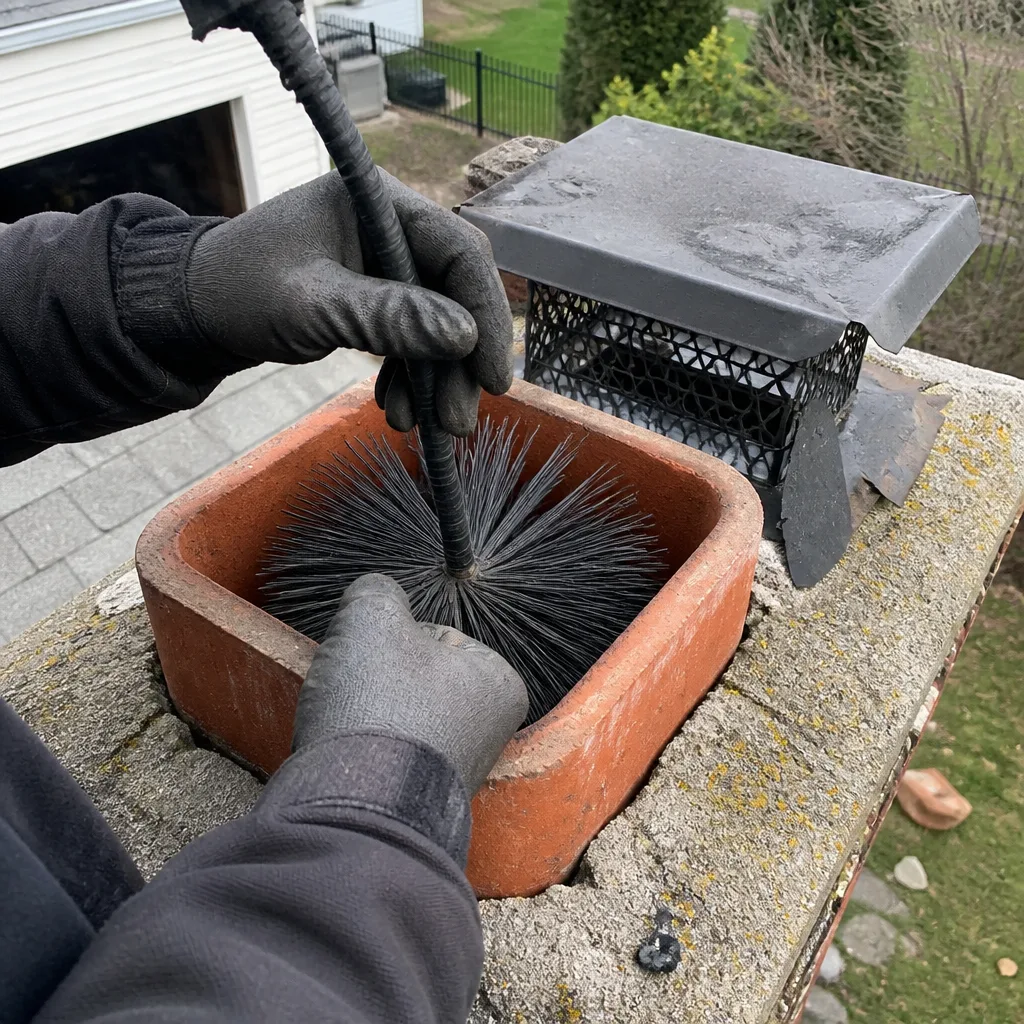
Cap and screen integrity should be verified before nest season ends. We use stainless steel screening from Famco and Olympia Chimney spec’d for 5/8-inch mesh - small enough to exclude wasps and bats, large enough to allow proper draft. Screens damaged by winter ice or corroded by summer humidity need replacement before they fail completely.
What to check yourself in August: Open the damper and shine a flashlight up the flue. Look for visible nest material, unusual staining patterns, or damp odor. Walk the roofline if safe, or use binoculars from ground level to inspect cap condition and screen integrity. If you find anything other than clean, dry flue walls, schedule an inspection before September bookings fill.
For homes in the Ridgeview and Providence Ridge developments, where mature landscaping creates dense insect habitat, we recommend annual cap and screen inspection as a standalone August service. It’s a thirty-minute visit that prevents October emergencies.
October: The Pre-Season Inspection Before First Fire
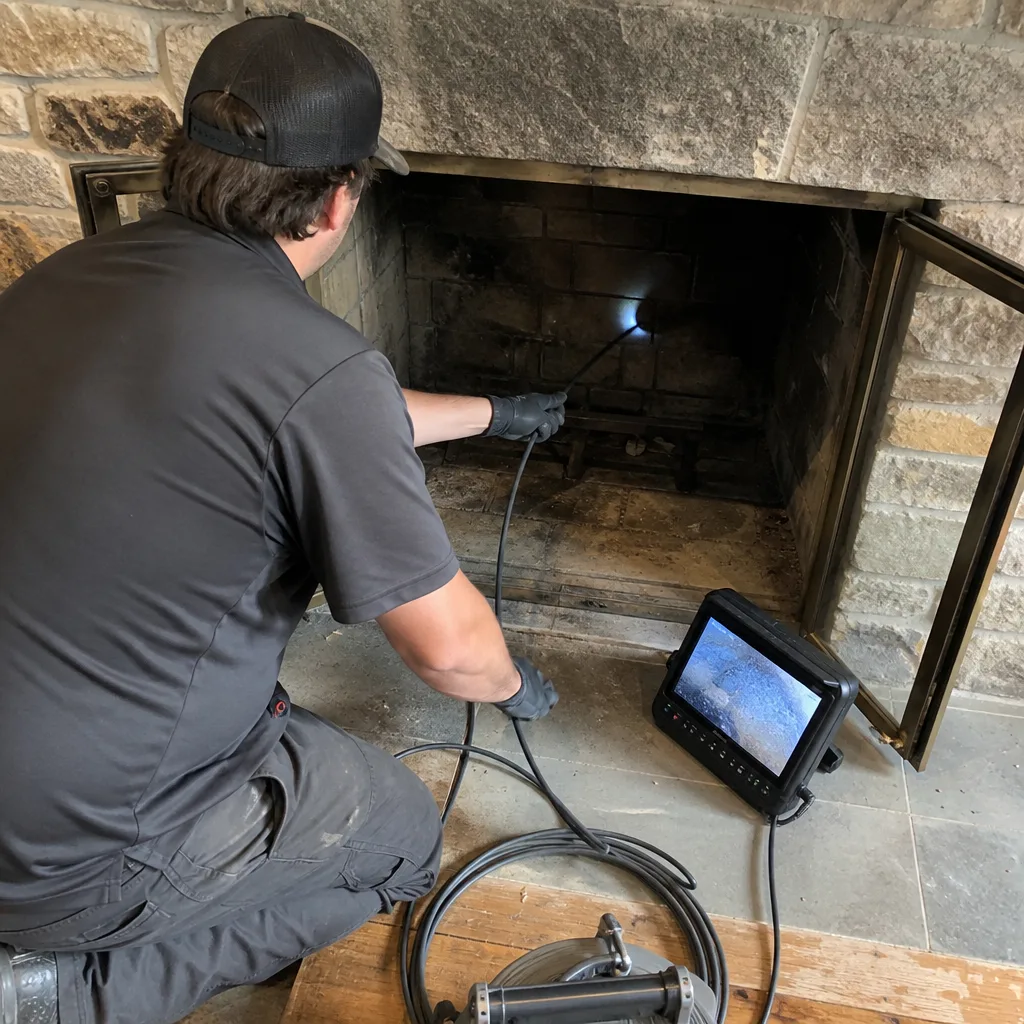
October is not when you discover problems. October is when you verify that the problems identified in May have been addressed and that nothing new has developed during the dormant summer months.
The pre-season inspection serves three specific purposes in Collegeville’s climate:
- Verify summer moisture hasn’t accelerated liner deterioration. Even with repairs completed in June, a humid Perkiomen Valley summer can reveal secondary damage - particularly in clay tile flues where freeze-thaw cracks were sealed but adjacent tiles have since failed.
- Confirm cap and screen are clear of August nesting activity. Wasps build fast. A clean flue in May can host a basketball-sized nest by September 15.
- Test draft performance under temperature differential conditions. October mornings in Collegeville are cool enough to create proper draft, but afternoons are warm enough to reveal marginal performance that January cold would mask. We test draft with the appliance at operating temperature and document readings.
What the October visit should include: NFPA 211 Level 2 camera scan, damper operation test, firebox and smoke chamber visual inspection, exterior crown and flashing evaluation, and draft measurement. If the May inspection identified no issues and no repairs were needed, this visit may confirm clean condition in under an hour. If repairs were performed, the October scan verifies proper installation and material cure - particularly important for HeatShield smoke chamber sealant and DuraFlex liner installations, which require specific temperature cycling to achieve full cure.
The October appointment also provides the documented photo record for your insurance file. In Collegeville’s competitive home insurance market, carriers increasingly request proof of annual professional inspection. Clause 4 of the Haven Standard delivers that documentation automatically - stamped, dated, and archived.
Critical timing note: Schedule this inspection before you light the first fire. Once the appliance is in use, creosote deposition begins immediately and obscures baseline liner condition. The ideal window is September 15 through October 15, before nighttime temperatures in Collegeville consistently drop below 50°F and heating demand spikes.
Building Your Two-Visit Annual Schedule
A single annual appointment - even a thorough one - misses the seasonal failure pattern. For a complete Chimney Sweep Maintenance Checklist for Collegeville Homeowners, see our dedicated guide. Here’s the schedule we’ve refined over 38,000 inspections to catch what one visit cannot:
| Visit | Timing | Purpose | What It Catches |
|---|---|---|---|
| Post-Season Cleaning & Inspection | May 1 - June 15 | Remove accumulated creosote at dry stage; document freeze-thaw damage fresh; establish repair baseline | Class III creosote before hardening; crown cracks at early stage; liner corrosion before summer moisture accelerates it |
| Pre-Season Verification | September 15 - October 15 | Confirm summer repairs held; clear pest blockage; test draft; verify safe operation before first fire | Wasps nests; cap screen failure; moisture-accelerated deterioration; marginal draft performance |
For homes with gas inserts or high-efficiency wood stoves, add a third touchpoint: January damper and vent check to confirm no ice or snow blockage at the termination cap after hard freeze events. This is particularly relevant for direct-vent systems on homes in Worcester and Upper Providence, where wind exposure across open terrain drives ice formation.
The two-visit schedule costs more than one appointment, but not proportionally more. Our May-June cleaning and inspection runs at standard sweep rates because demand is lower. The October verification is priced as a reduced-rate re-inspection when bundled with the spring visit. More importantly, the schedule prevents the emergency repairs - water-damaged firebox rebuilds, liner replacements necessitated by corrosion, crown reconstructions - that cost ten to twenty times the prevention price.
We’ve tracked this across our Collegeville customer base. Homeowners on the two-visit schedule average 73% lower five-year repair costs compared to those who book single fall appointments and discover damage only when it becomes symptomatic.
What Seasonal Chimney Care Costs in Collegeville
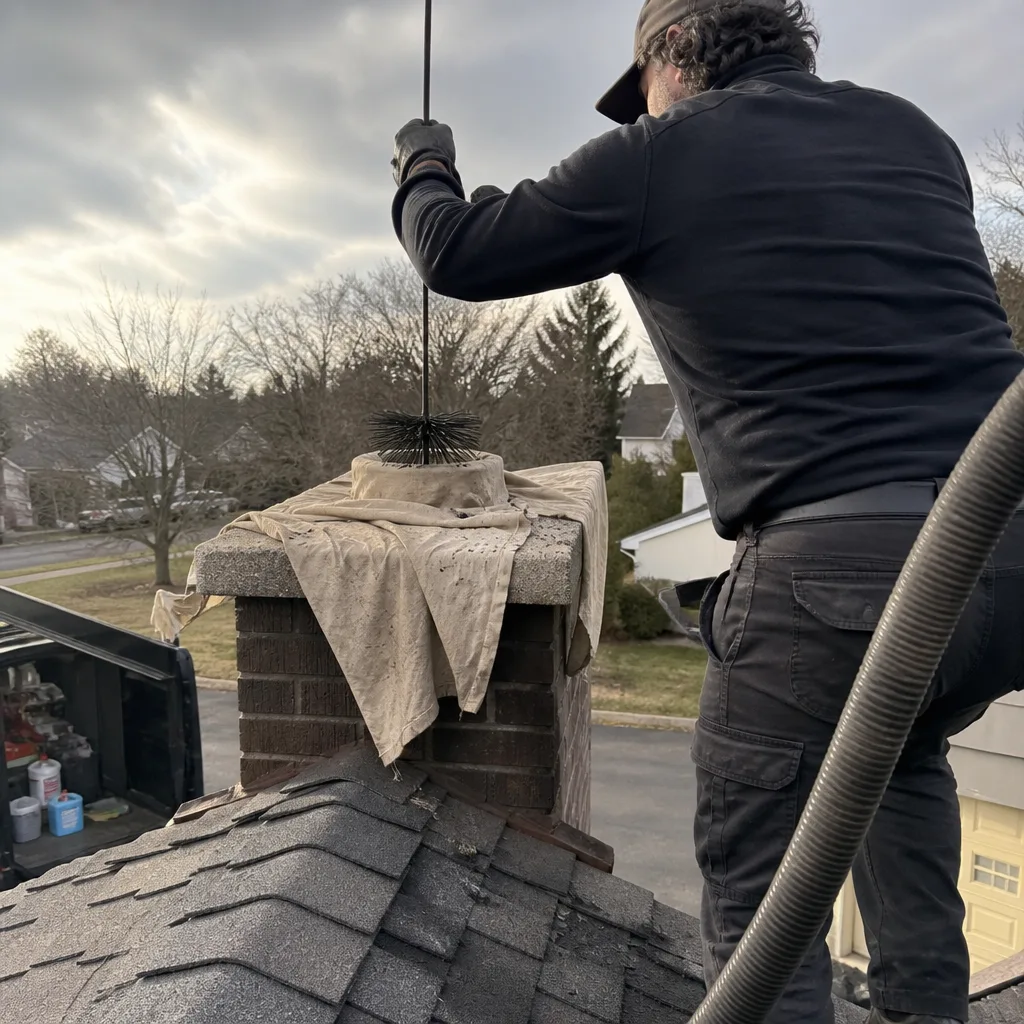
Price transparency is Clause 1 of the Haven Standard: written price, written scope, written warranty before any work starts. For a detailed Chimney Cleaning Cost Breakdown: The Collegeville Homeowner’s Reference for 2026, see our pricing guide. Here’s what seasonal chimney care costs in the Collegeville market, based on our 2024-2025 pricing through the Haven buying network:
| Service | Price Range | What’s Included |
|---|---|---|
| NFPA 211 Level 2 Inspection with Camera Scan | $189 - $249 | Full flue camera documentation, firebox and smoke chamber inspection, exterior crown/cap evaluation, written report with photo record |
| Chimney Sweep (standard Class I-II creosote) | $159 - $219 | Rotary sweep of full flue, smoke chamber cleaning, firebox debris removal, drop cloth protection, HEPA containment |
| Chimney Cleaning with Heavy Creosote (Class III) | $279 - $389 | Chemical treatment and mechanical removal of glazed deposits, extended labor, additional safety protocols |
| Crown Repair (minor crack sealing) | $285 - $450 | Surface preparation, flexible crown coat application, flash seal at flue tile interface |
| Cap and Screen Replacement (standard stainless) | $195 - $340 | Famco or Olympia Chimney spec cap, proper fit to flue tile, corrosion-resistant fasteners |
| Bundle: Spring Cleaning + Fall Re-Inspection | $298 - $398 | May-June cleaning and inspection, October verification scan, priority scheduling, archived photo record |
These are the prices we put in writing before work starts. No “call for quote,” no range that doubles once the technician arrives. If a competitor has given you a written estimate, we provide a Free Second Opinion - bring us their scope and price, and we’ll review it against what we find.
Materials matter for durability in Collegeville’s climate. We source caps, liners, and repair materials through our Haven buying network from DuraFlex, HeatShield, Gelco, Olympia Chimney, Famco, and Copperfield - not generic equivalents that fail two seasons sooner. The price difference between a proper stainless cap from Famco and a big-box aluminum version is $40-$60. The replacement cost when the cheap cap corrodes through in three years is $200 plus the water damage it failed to prevent.
Common Mistakes to Avoid
- Booking the “standard” September cleaning without prior inspection. In Collegeville’s climate, a chimney that hasn’t been inspected since last fall could have six months of freeze-thaw damage and summer moisture corrosion. The September slot should verify condition, not discover it.
- Assuming no fire last winter means no creosote. Even occasional fireplace use deposits Class I creosote. Gas appliances produce corrosive condensation that attacks liners. Dormant chimneys attract moisture and pests. “We barely used it” is not a substitute for a camera scan.
- Ignoring the cricket on steep roofs. Homes in Collegeville’s hillier sections - particularly near Evansburg State Park - often have chimneys on the high side of a steep pitch where the cricket (the small roof structure diverting water around the chimney) takes brutal weather exposure. Cricket flashing failure is the leading cause of chimney-related interior water damage we see in these neighborhoods.
- DIY creosote removal with chemical logs. The chimney fire risk from Class III creosote isn’t reduced by burning a chemical log. These products can make deposits more brittle but don’t remove them, and they mask the true condition that a camera scan would reveal. We’ve documented chimneys with severe liner damage where homeowners believed chemical treatment had “cleaned” the flue.
- Waiting for visible water damage inside. By the time you see water staining on the ceiling near the chimney, the damage path has been active for multiple seasons. Exterior inspection in May catches the crown crack that won’t become an interior leak for two more years.
- Treating the chimney as separate from the heating system. For homes with boiler or furnace venting into the chimney, the flue serves the appliance that actually heats your home. A blocked or deteriorated flue forces carbon monoxide into living space. The chimney is infrastructure, not architecture.
- Accepting a flashlight inspection as sufficient. A flashlight look from the top or bottom reveals perhaps 15% of flue surface. NFPA 211 Level 2 requires camera documentation for good reason - we’ve found complete liner separations invisible to flashlight inspection that were obvious on camera at six feet.
When to Call a Professional
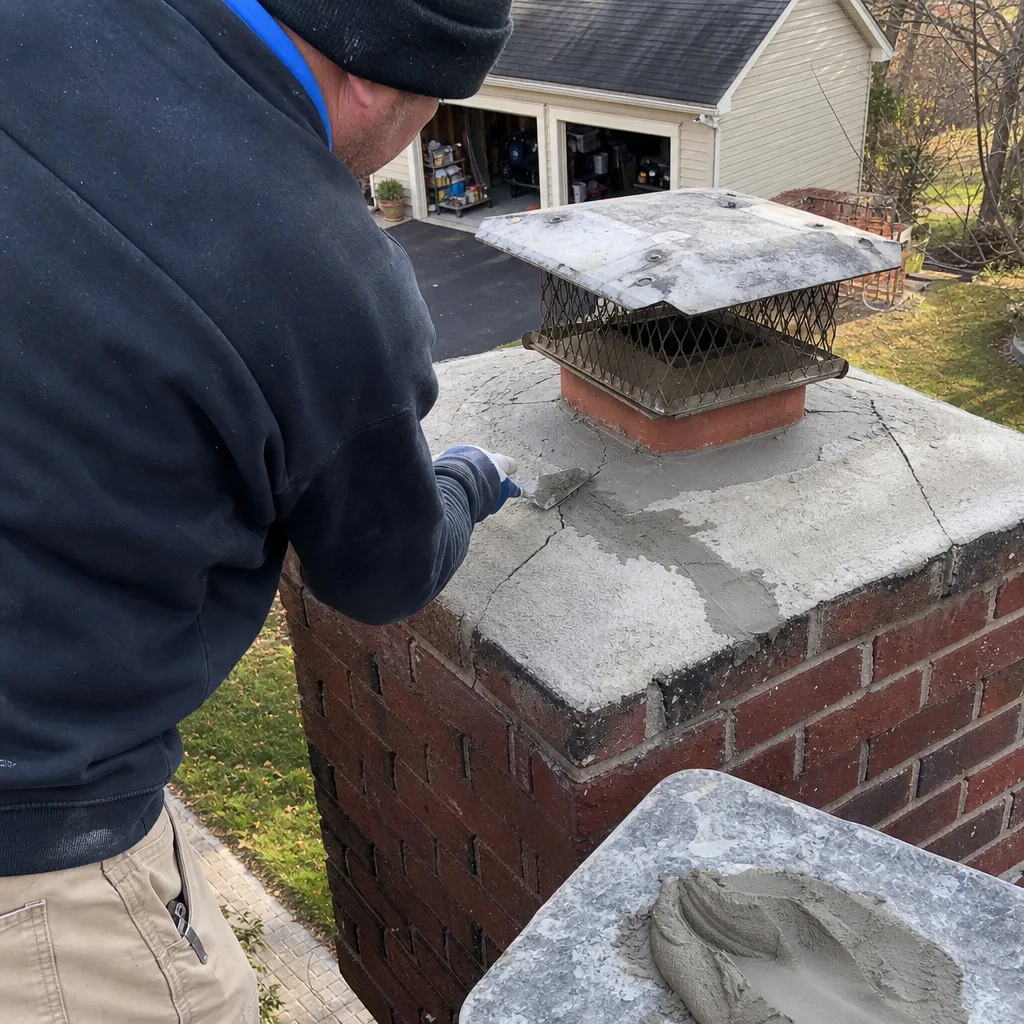
Call for inspection before first fire if your chimney hasn’t had a camera-documented evaluation in the past twelve months. Call immediately if you notice: water staining in the firebox or on adjacent walls; a persistent draft problem or smoke spillage; a musty or acrid odor from the fireplace when not in use; visible cracks in the crown, brick faces, or mortar joints; or any animal activity at the cap.
For homeowners in Collegeville, Skippack, Trappe, and surrounding Montgomery County communities, Chimney Sweep in Collegeville from Emberly Chimney Cleaners Collegeville provides NFPA 211 Level 2 inspection with camera scan, written price before work starts, and documented photo record on every visit. We’re independently owned and operated under the Haven Standard, with background-checked, uniformed technicians and live phone support 24 hours a day. Call (610) 884-0366 for a free estimate - we’ll put the scope and price in writing before anyone schedules a truck.
Frequently Asked Questions
A standard chimney cleaning and inspection in Collegeville ranges from $159 to $249, depending on creosote class and flue accessibility. Heavy Class III creosote removal runs $279 to $389 due to extended labor and chemical treatment. We deliver a written price before work starts - no estimates that change when the technician arrives. Call (610) 884-0366 for exact pricing on your system.
NFPA 211 recommends annual inspection for all chimneys, and cleaning when creosote exceeds 1/8-inch thickness. In Collegeville’s climate, we recommend a two-visit schedule: cleaning and camera inspection in May-June after heating season, plus verification inspection in September-October before first fire. This catches freeze-thaw damage fresh and clears summer pest blockages before they’re a hazard. For details on local requirements, see our guide to Chimney Cleaning Permits, Codes & Inspections in PA: What You Need to Know.
You need documentation before you need a liner. A camera scan reveals whether the existing liner has cracks, gaps, or corrosion that compromise safety. At Emberly Chimney Cleaners Collegeville, we show you the footage and explain what we’re seeing before recommending any work. If the liner is damaged, we explain whether it’s a “address this season” or “monitor annually” situation - not every finding requires immediate action, but every finding requires evidence you can see.
Skipped maintenance leads to three predictable outcomes in Collegeville: creosote accumulation to Class III (glazed, highly combustible, difficult to remove); freeze-thaw damage progressing from crown cracks to water intrusion to spalling brick and interior damage; and undetected liner deterioration that can force carbon monoxide into living space or create chimney fire conditions. The cost of prevention is typically 10-15% of the cost of repair after failure.
Summer odor usually means moisture. Humid air descends into the cool flue, activates residual creosote acids, and produces a musty or sharp smell. In Collegeville’s humid summers, this is common and indicates the flue needs cleaning and the cap may need inspection for screen integrity. A proper cap with intact screening from Famco or Olympia Chimney reduces but doesn’t eliminate the issue - the real solution is removing the creosote source.
You can check for obvious exterior damage and operate the damper, but you cannot evaluate flue liner condition without a camera system. A flashlight look reveals perhaps 15% of flue surface. NFPA 211 Level 2 inspection exists because hidden liner damage - the kind that creates carbon monoxide risk or chimney fire conditions - is invisible without camera documentation. For safety-critical components, we recommend professional evaluation.
The Bottom Line
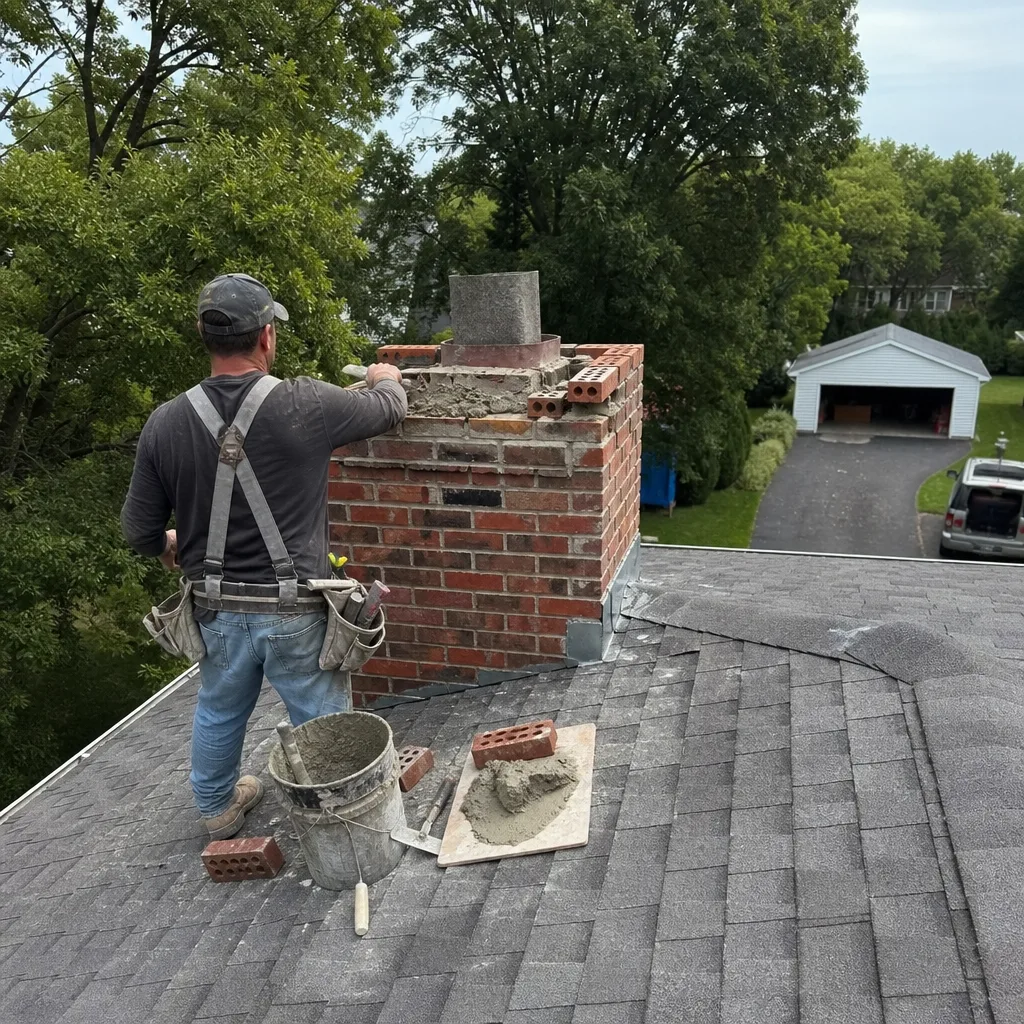
Collegeville’s seasonal pattern - freeze-thaw winters, humid summers, heavy leaf fall - punishes chimneys on a schedule that doesn’t match the once-a-year cleaning most homeowners book. The homeowners who avoid emergencies and control long-term costs run a two-visit schedule: post-season cleaning and camera inspection in May or June, pre-season verification in September or October. This catches freeze-thaw damage before water intrusion accelerates it, removes creosote before summer humidity hardens it, and clears pest blockages before first fire. A single fall appointment, however thorough, arrives too late to prevent the damage that formed eight months earlier.
Emberly Chimney Cleaners Collegeville home | Chimney Repair in Collegeville | Fireplace Services in Collegeville
Written by Corrine Halstead, Owner at Emberly Chimney Cleaners Collegeville, serving Collegeville since 2009.