
Last updated September 22, 2026
Level 1 sweep and inspection to the NFPA 211 annual standard - flue, crown, cap, and flashing checked and photographed
Chimney sweep logs do not sweep chimneys. They loosen some creosote - which then falls where a brush and vacuum still have to collect it.
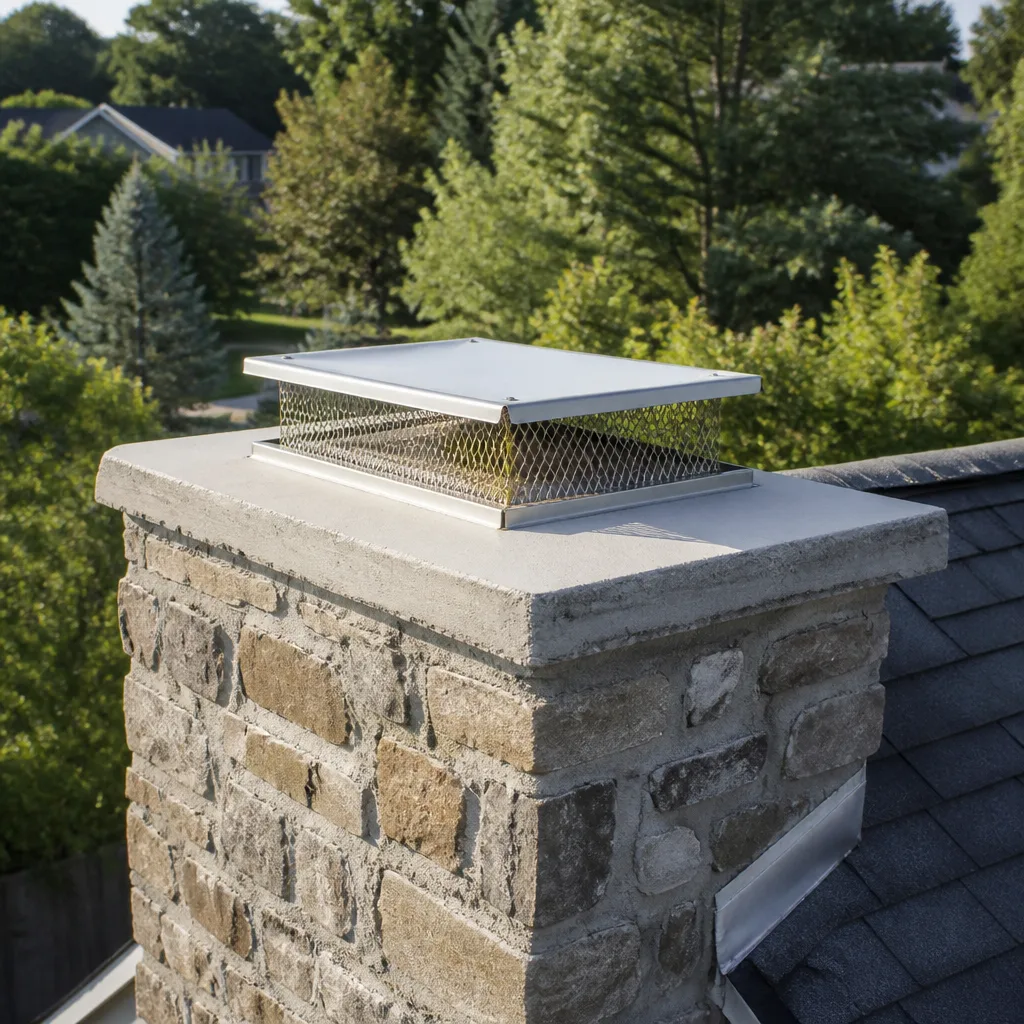
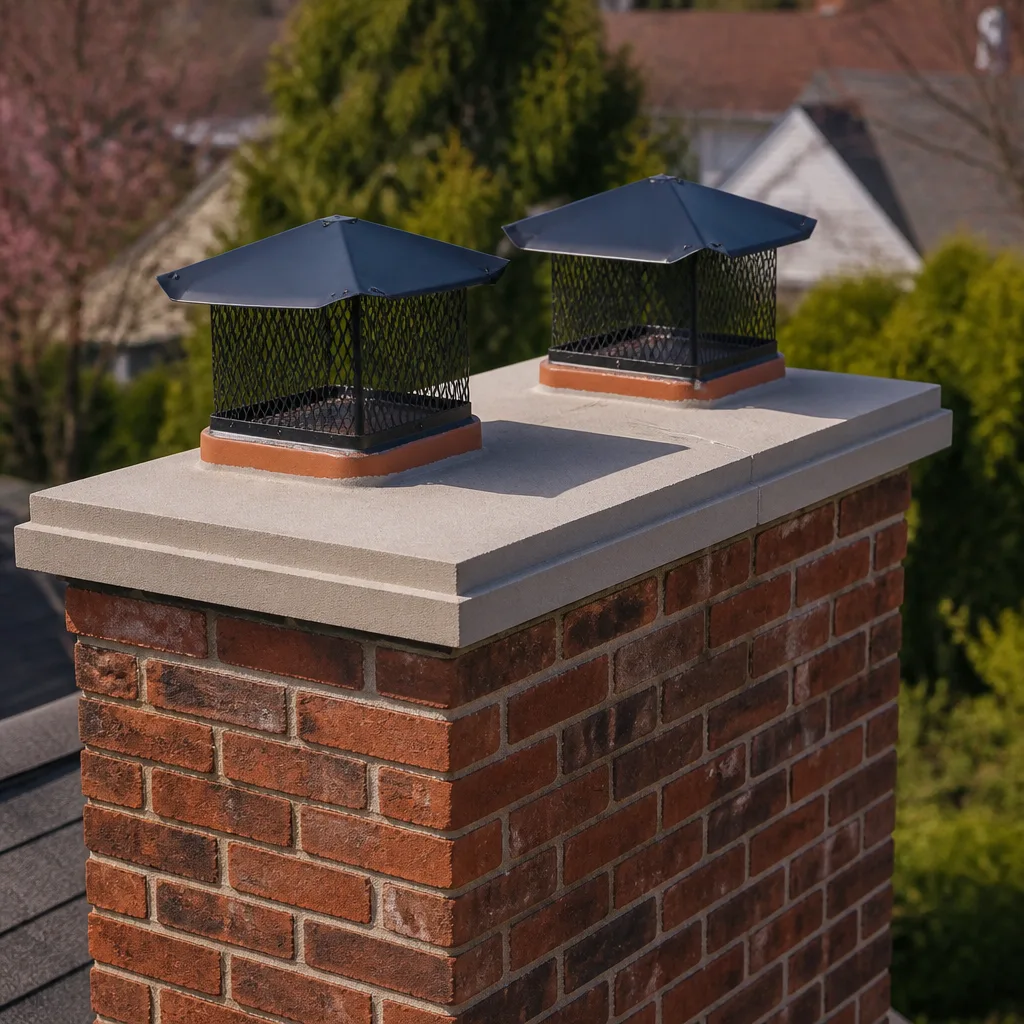
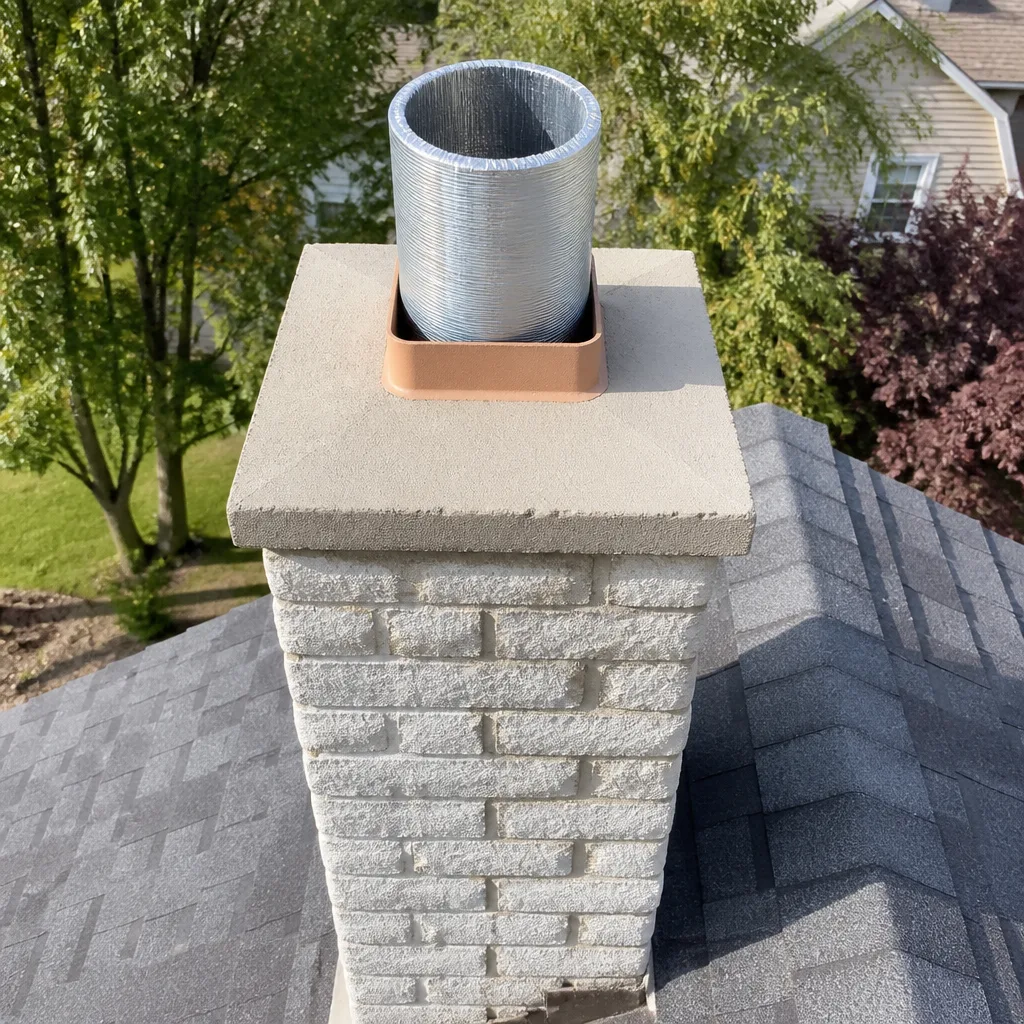
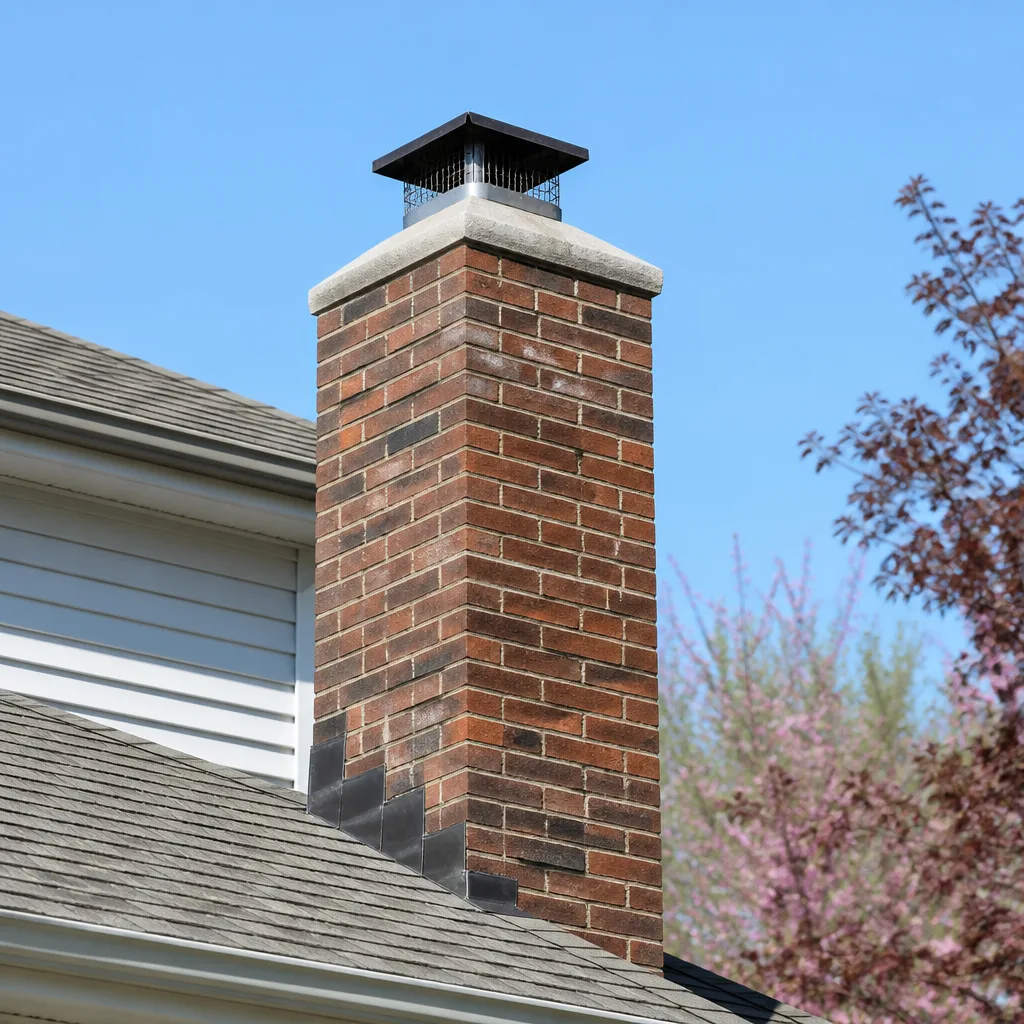
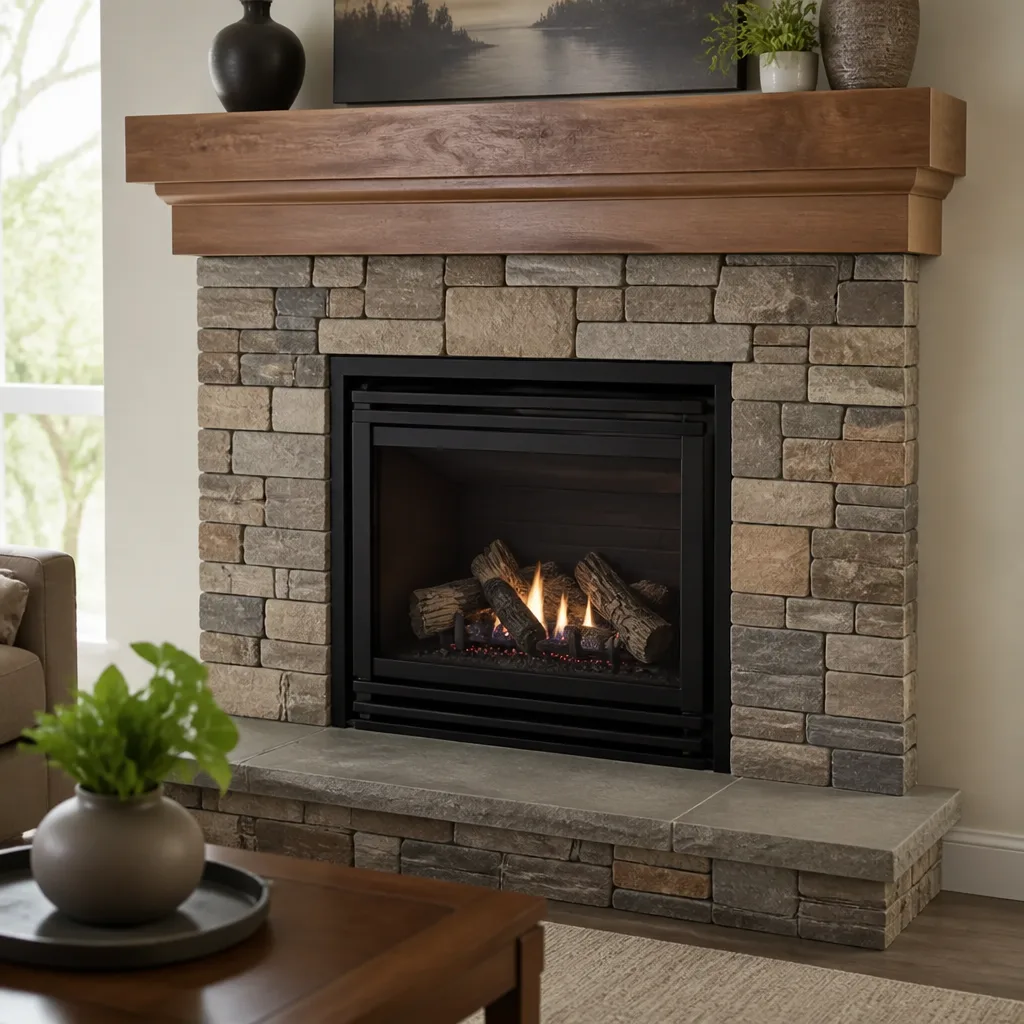
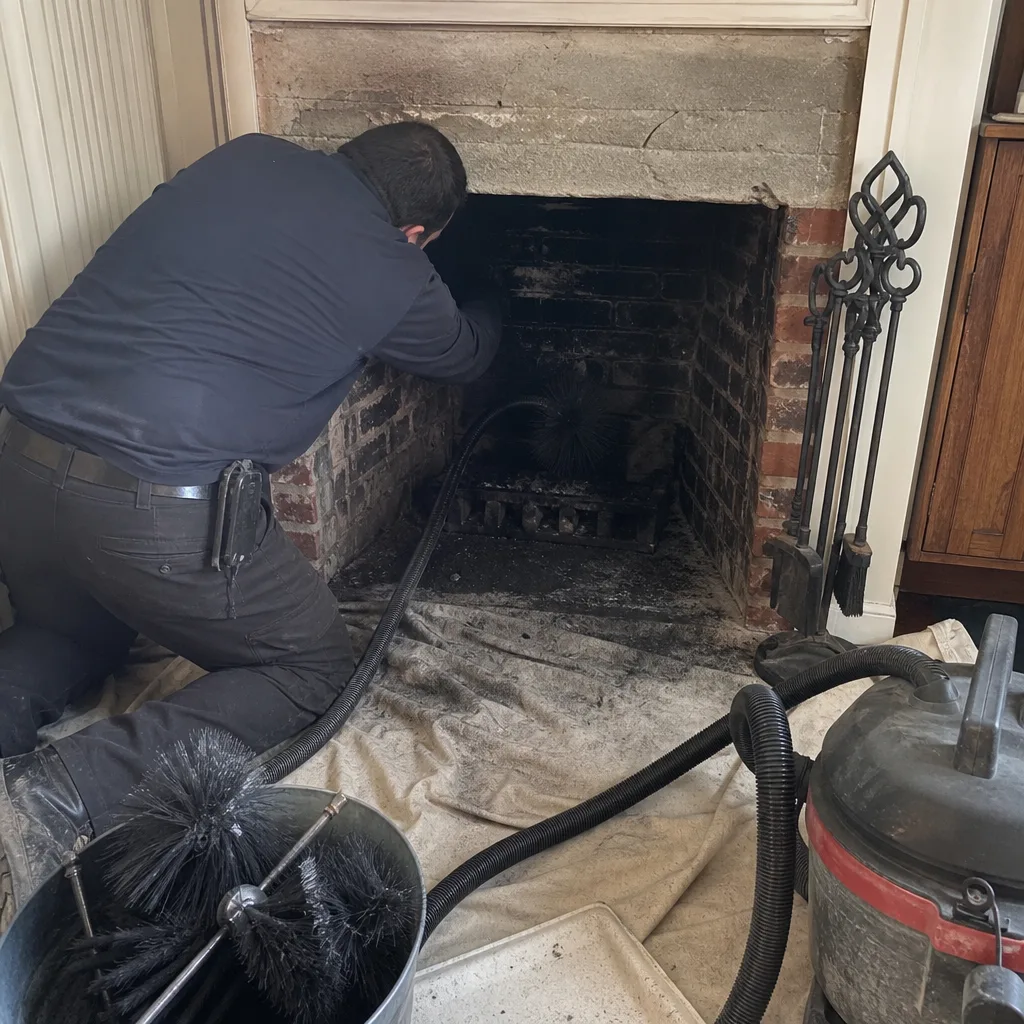 Before
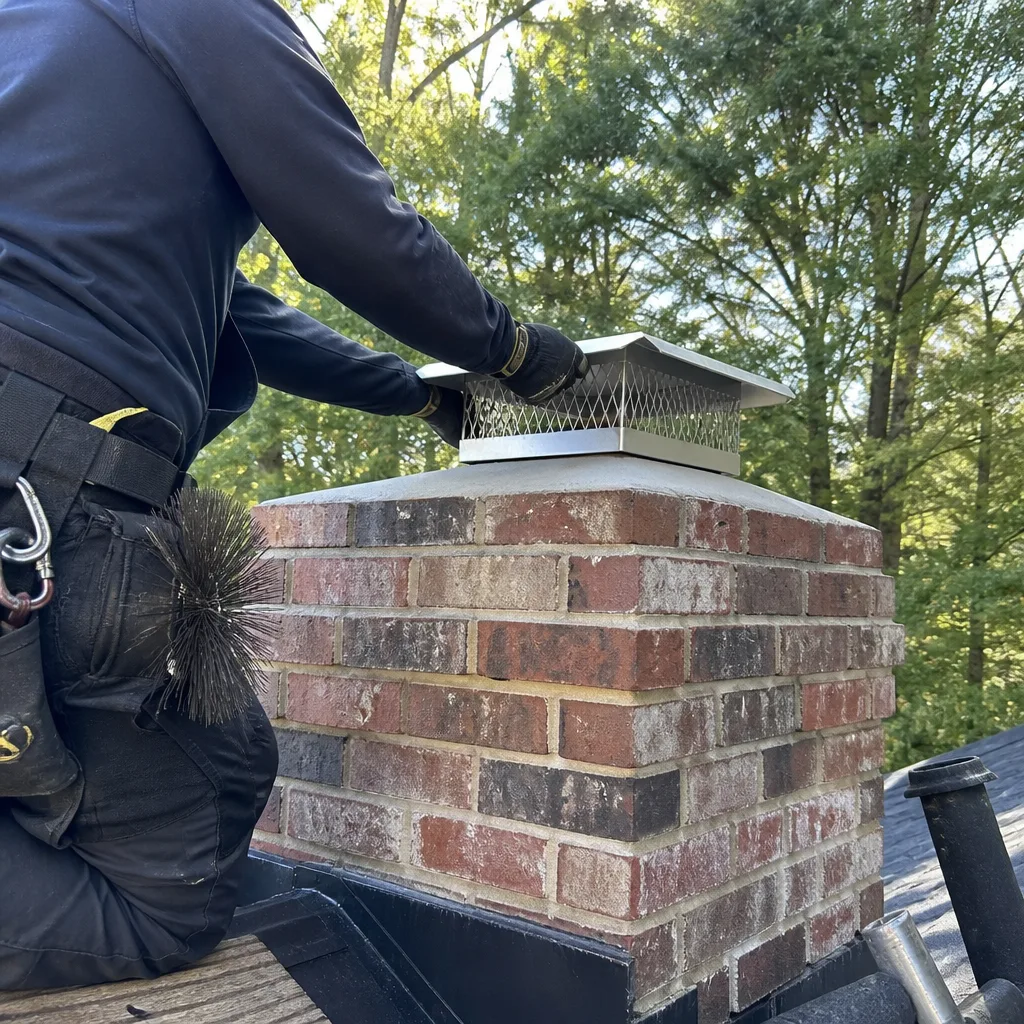 After
After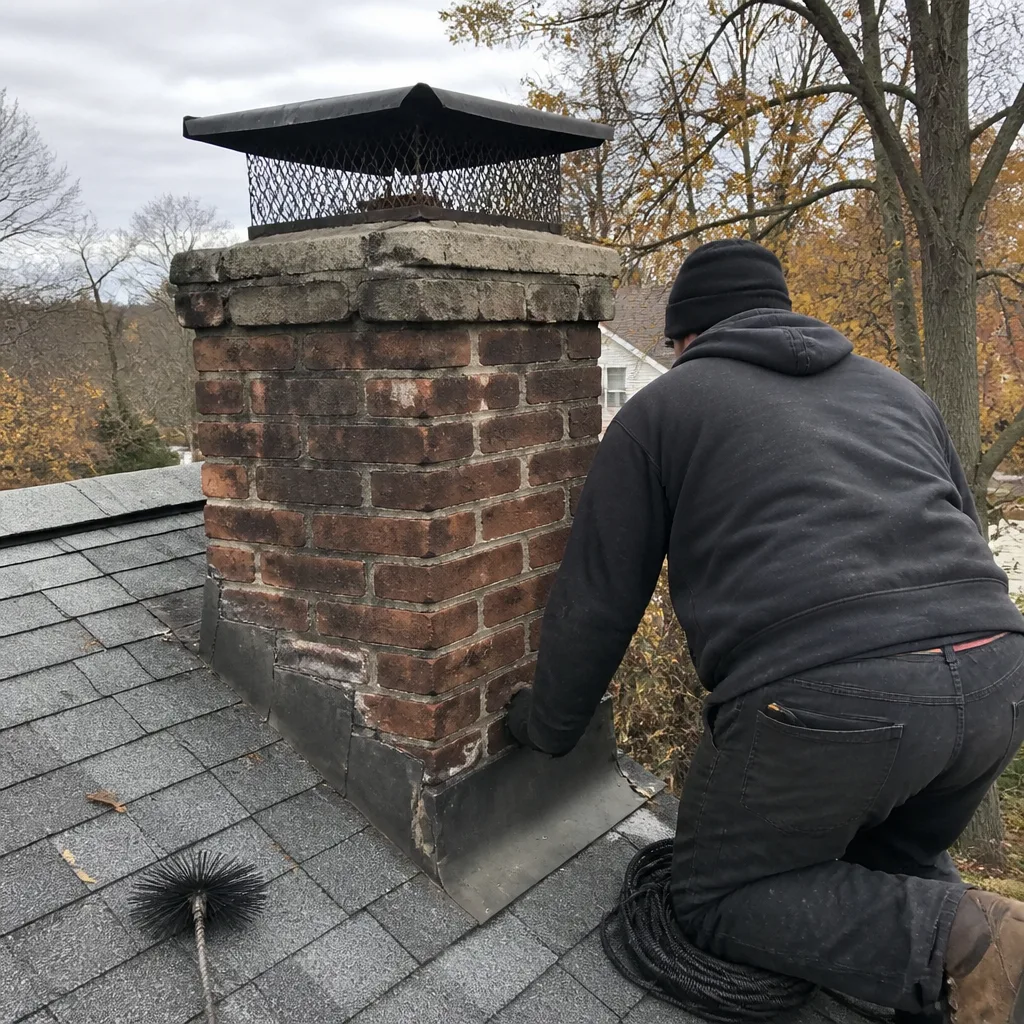 Before
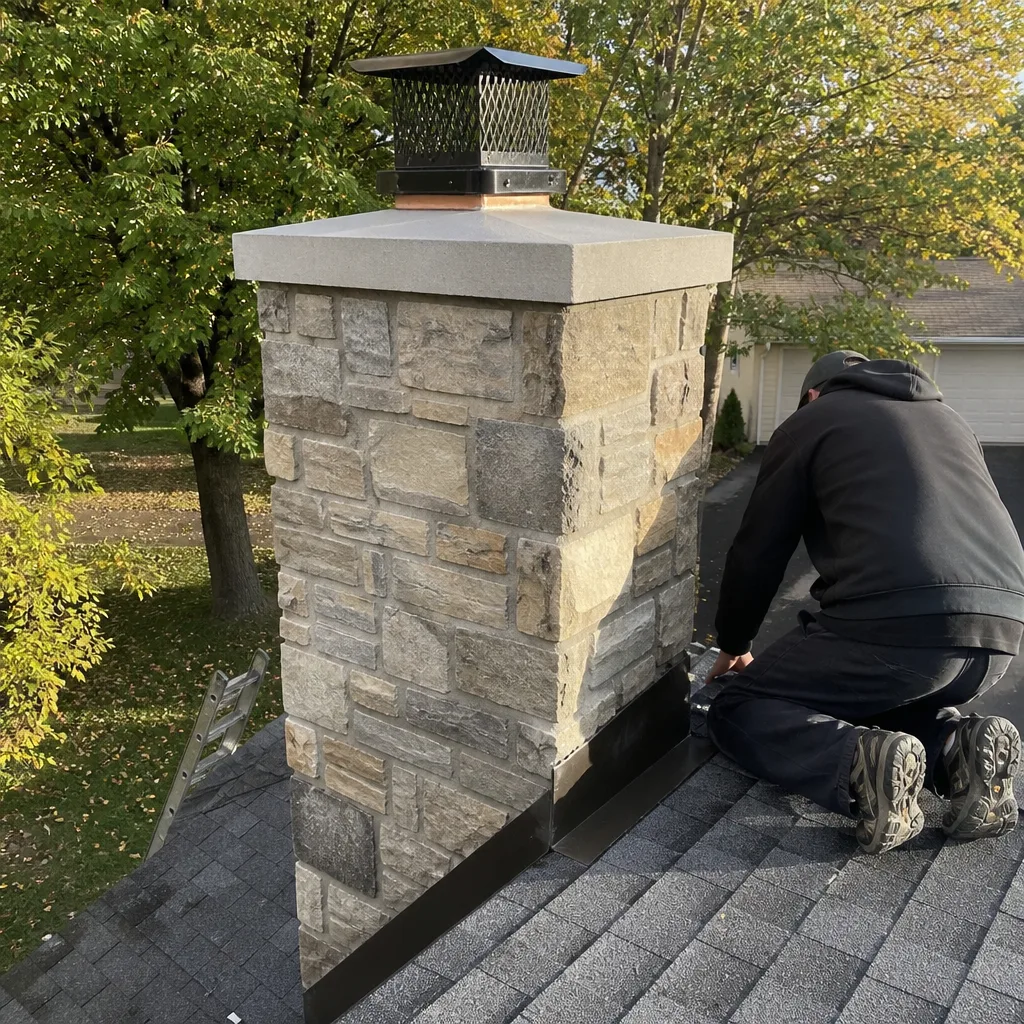 After
After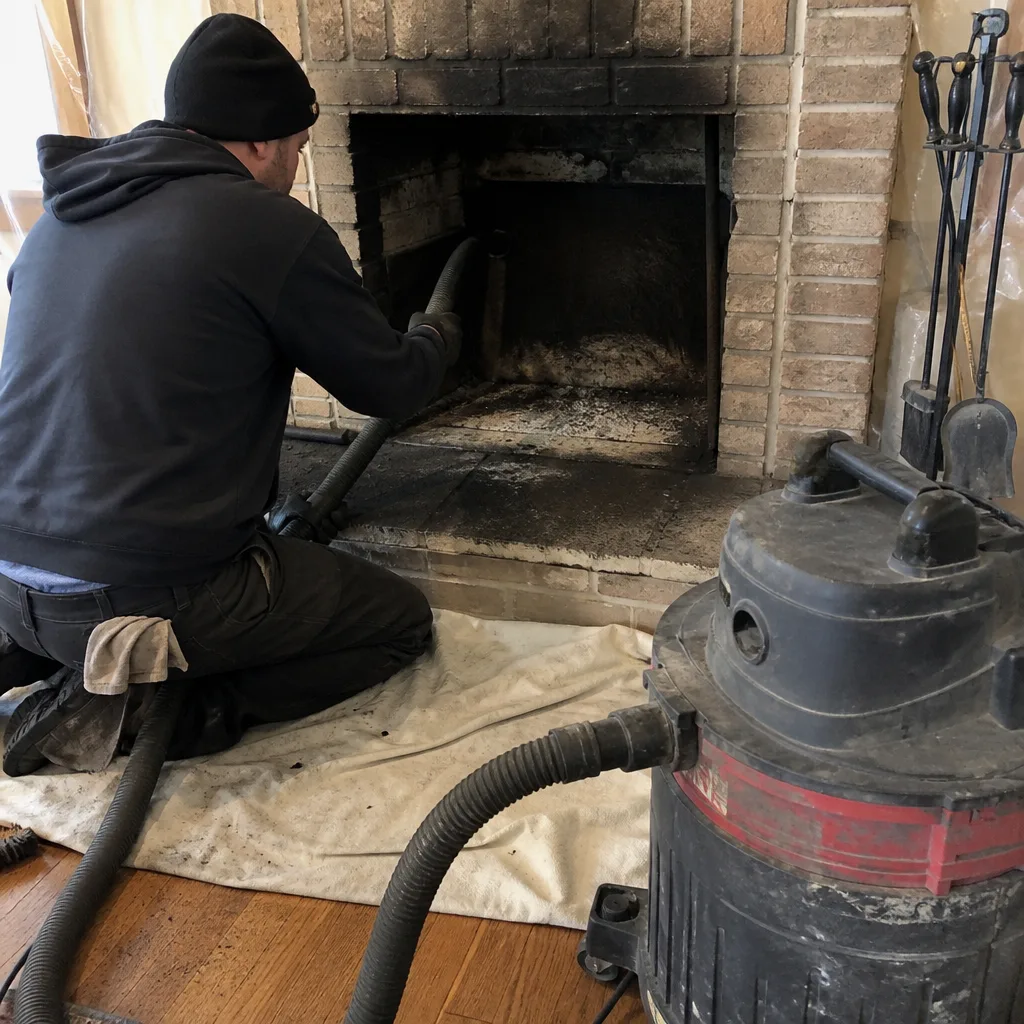 Before
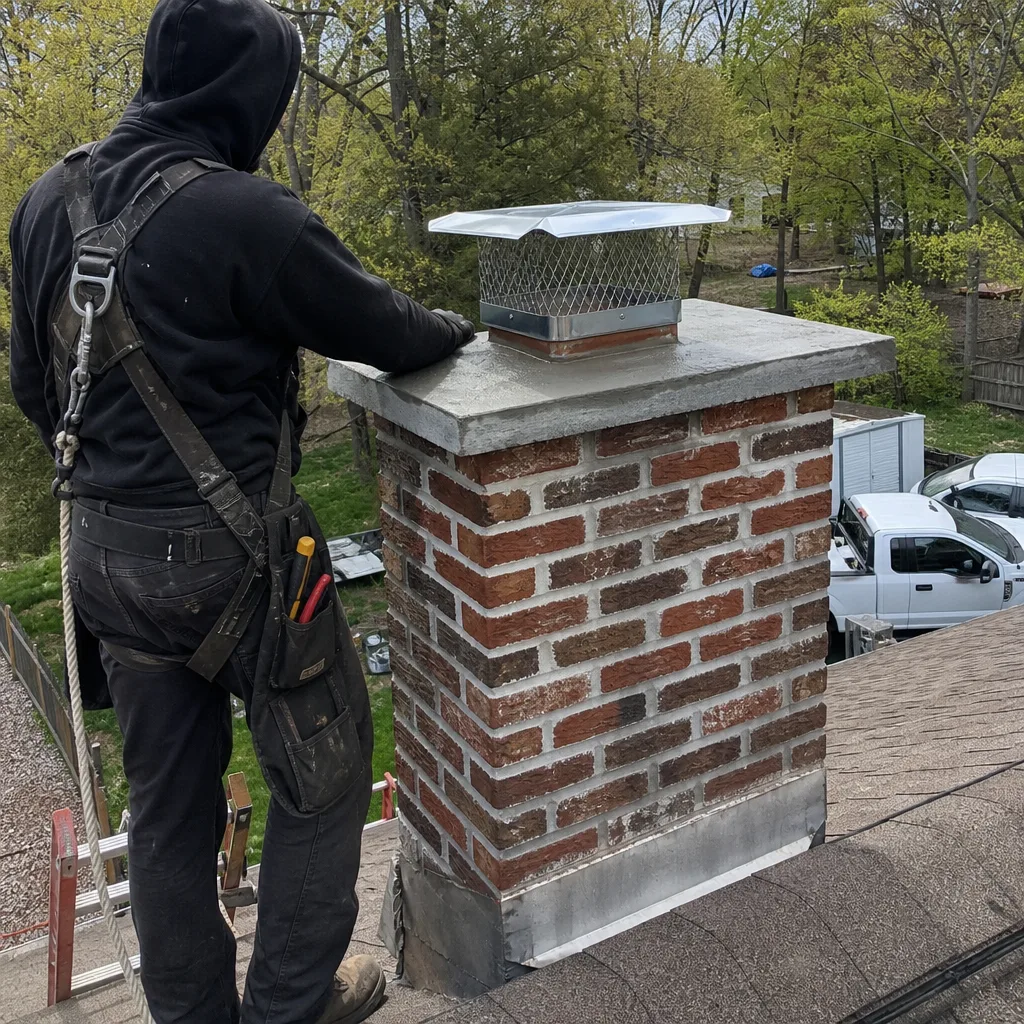 After
AfterChimney Sweep Maintenance Checklist for Collegeville Homeowners
The standard advice is “clean once a year.” That’s a calendar reminder, not a maintenance plan. In Collegeville, where freeze-thaw cycles open crown cracks by late March and October’s oak leaf fall clogs cap screens before the first fire, a real checklist ties each inspection point to the specific defect it prevents and the cost of missing it. We’ve completed more than 38,000 chimney inspections since 2009, and the pattern is consistent: the homeowners who know what to look for between visits spend 60-70% less on emergency repairs. This Complete Guide to Chimney Cleaning in Collegeville shows you exactly what to check, when to check it, and what documentation to keep so the next owner - or your insurance adjuster - can see the full history.
Quick Answer
A complete chimney maintenance checklist for Collegeville homeowners includes six monthly owner checks from the firebox, a pre-season professional sweep with camera-scan documentation, weather-specific inspections in March and October, and a paper trail of photos, written reports, and warranties that stays with the house. Annual NFPA 211 Level 2 inspection catches defects before they require liner replacement or masonry rebuild, which in Collegeville’s climate typically run $2,800-$6,500 when deferred.
Table of Contents
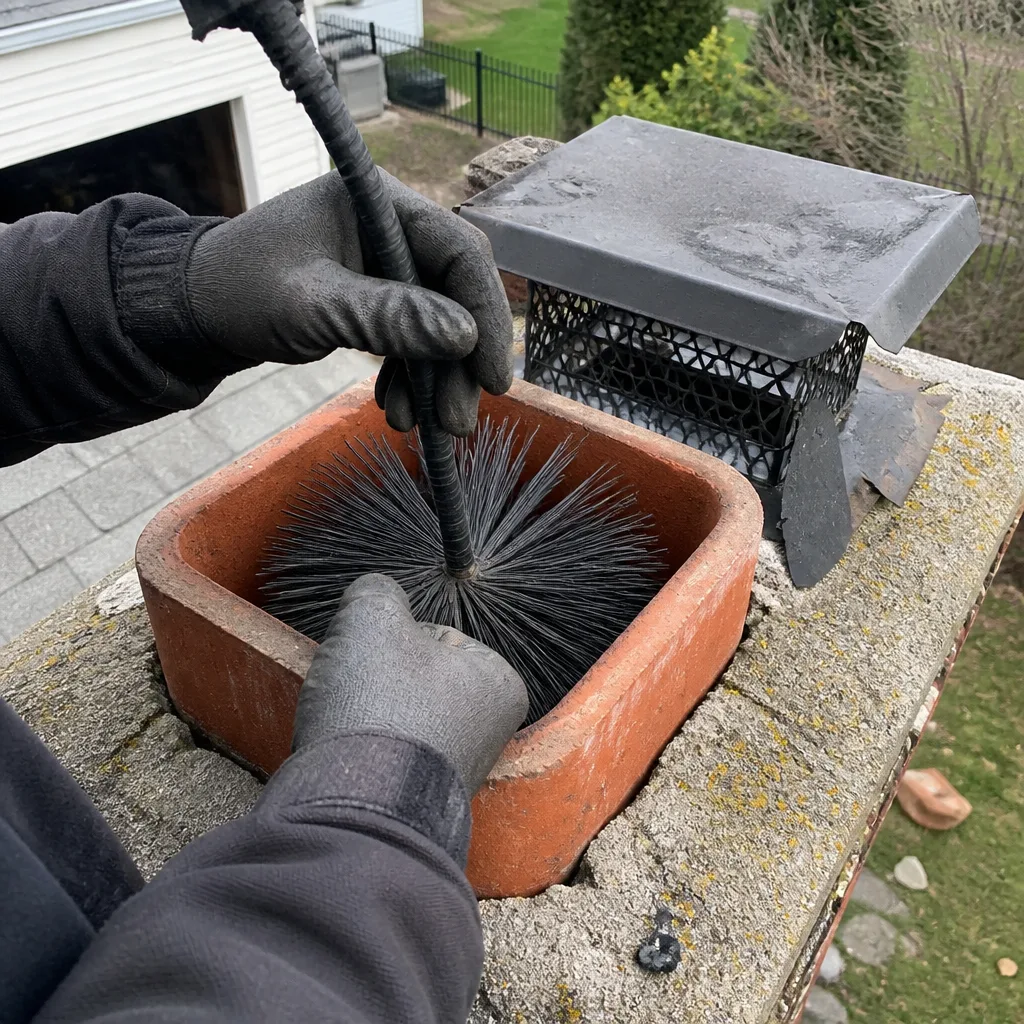
- The Pre-Season Owner Walkthrough: Six Checks Without Tools
- What a Professional Sweep Should Document - And What Most Skip
- Creosote Stage Thresholds: When Sweeping Is Enough vs. When Repair Enters
- Collegeville Weather Checkpoints: Freeze-Thaw, Leaf Fall, and Burn Season
- How to Build a Paper Trail That Follows the House
- What Maintenance Costs vs. What Deferred Repair Costs in Collegeville
- Common Mistakes to Avoid
- When to Call a Professional
- Frequently Asked Questions
BeforeAfterThe Pre-Season Owner Walkthrough: Six Checks Without Tools
You don’t need a ladder or a camera to catch most early-stage problems. These six checks take ten minutes from inside your home, and each one maps to a specific failure mode we see in Collegeville inspections.
- Firebox brick condition. Look for mortar missing between bricks or faces that have popped off (spalling). In Collegeville’s older stock - the stone colonials near Main Street and the 1960s ranches in Perkiomen Woods - freeze-thaw cycling accelerates spalling when mortar joints absorb water. Missing mortar exposes the surrounding brick to direct flame and lets heat reach combustible framing. If you can fit a pencil into a gap, schedule inspection before lighting.
- Damper operation and position. Open fully, close fully, check for rust flakes or binding. A damper that won’t seal costs you heated air all winter; one that won’t open risks smoke backup. Rust indicates water entry, usually from a cracked crown or missing cap.
- Smoke chamber texture. Shine a flashlight up from the firebox. The smoke chamber - the area above the damper that funnels smoke into the flue - should show rough parged surface, not slick glazed creosote or exposed brick corbelling. Smooth, shiny black deposits mean Stage 2 or 3 creosote, which standard brushing won’t remove.
- Hearth extension crack pattern. Hairline cracks are normal; cracks that run to the edge or show differential height (one side higher than the other) indicate settling or thermal shock. In Collegeville’s clay-heavy soils, minor foundation movement is common, but hearth separation from the firebox is a code violation under IRC R1001.
- Exterior visible flue and crown from ground level. Use binoculars. Look for missing cap, crown cracks wider than 1/8 inch, or staining on the brick below the crown. Water stains running down the masonry mean the crown has been failed for multiple seasons.
- Attic or upper-floor framing near chimney chase. If you have access, look for discolored insulation, char marks, or compressed/brittle areas. These are signs of pyrolysis - slow, low-temperature decomposition of wood that can ignite at surprisingly low temperatures after years of exposure.
Document what you find with dated phone photos. If three or more of these checks show anything beyond normal wear, the chimney needs professional Chimney Sweep before the burn season starts.
What a Professional Sweep Should Document - And What Most Skip
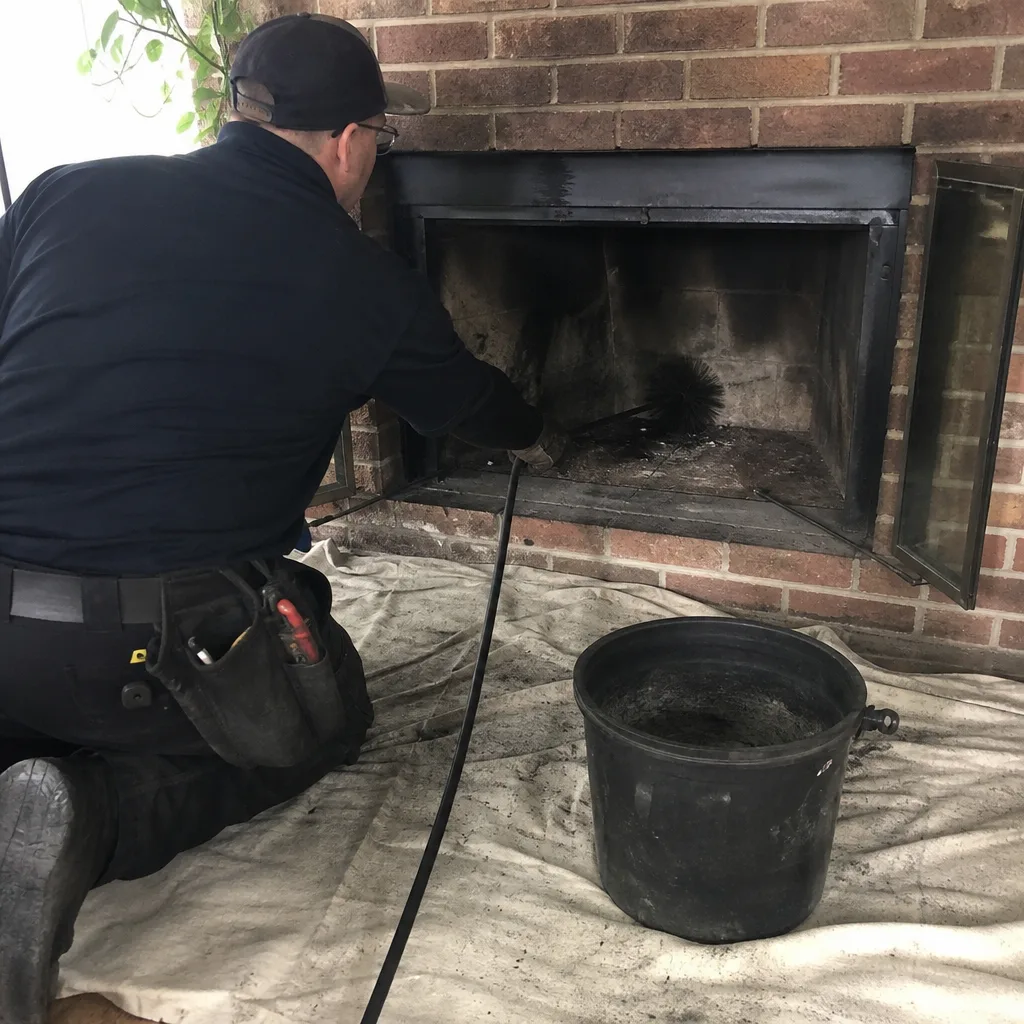
NFPA 211 requires annual inspection, but it doesn’t specify documentation depth. Most Collegeville homeowners receive a handwritten receipt and a verbal “looks good.” That’s not a record; it’s a liability shield for the company.
Under Emberly Chimney Cleaners Collegeville home standards, every visit produces four documents:
- Written scope and price before work starts. Clause 1 of the Haven Standard requires this - not an estimate range, but a fixed price for defined work. If additional defects are found during inspection, the technician stops, documents with photos, and presents a revised scope before proceeding.
- Camera-scan video or photo sequence of the full flue. Clause 4 of the Haven Standard has required this since 2009. The camera runs from smoke chamber to cap, capturing liner condition, joint alignment, and any obstructions. You receive the file, not just a verbal summary.
- Written condition report with measurements. Flue diameter, liner material and thickness, creosote deposit thickness at multiple points, crown dimensions, and cap specifications. This allows any future sweep to compare against baseline.
- Warranty document with claim procedure. The 365-Day Done Right Promise is stamped on every job. If the work fails - sweep debris left in the firebox, damper damage during service, cap loosening - the correction is documented and warrantied.
Three items most competitors skip:
- Smoke chamber parging assessment. The smoke chamber is the most underserviced component in residential chimneys. NFPA 211 recognizes it as a high-risk area, yet many sweeps don’t camera-scan below the damper. Unparged or deteriorated smoke chambers create turbulence that deposits creosote and reduces draft.
- Exterior crown and cap fastener torque check. Caps loosen in freeze-thaw cycles. A cap that lifts in wind admits water, animals, and debris. Proper documentation includes fastener condition and recommended replacement interval.
- Clearance-to-combustibles verification. Especially in Collegeville’s renovated farmhouses and converted carriage houses, framing may have been modified without chimney clearance review. Thermal imaging or probe measurement confirms safe clearances per IRC Table R1001.14.
Ask your sweep specifically about these three items before booking. If they don’t have a clear protocol, you’re receiving a cleaning, not an inspection. For Chimney Cleaning Warning Signs: A Collegeville Homeowner’s Reference Guide, see our detailed breakdown.
Creosote Stage Thresholds: When Sweeping Is Enough vs. When Repair Enters
Not all creosote responds to brushing. Understanding the stage determines whether your visit ends at $200-280 or extends to liner treatment or replacement.
| Stage | Appearance | Removal Method | Typical Collegeville Cost Range | What Happens If Deferred |
|---|---|---|---|---|
| Stage 1 | Sooty, flaky, brushes off easily | Standard rotary sweep with poly or wire brushes | $200-$280 | Progresses to Stage 2 within one season of regular use |
| Stage 2 | Shiny, hard, tar-like flakes | Mechanical rotary with chains or whips; may require chemical pretreatment | $280-$450 | Becomes Stage 3; increases chimney fire risk significantly |
| Stage 3 | Glazed, hardened, glass-like coating | Chemical treatment (powdered or spray) followed by delayed mechanical removal; often requires multiple visits | $450-$900 | Cannot be fully removed without liner damage; often necessitates liner replacement ($2,800-$5,500) |
Collegeville’s burn season runs roughly November through March. Homeowners who burn two or more nights weekly and use unseasoned or partially seasoned wood - common when oak and maple are harvested locally without full summer curing - typically reach Stage 2 by January and Stage 3 by year two if sweeping is skipped.
The critical threshold is Stage 2 to Stage 3. Once glazing occurs, mechanical removal risks damaging clay tile liners or stripping stainless steel liner surfaces. At that point, chemical treatment with products like ACS (Anti-Creo-Soot) or Poultice Creosote Remover is required, with a 2-4 week waiting period before mechanical work. This is why October inspection matters: catching Stage 1 or early Stage 2 allows same-season treatment before heavy use begins.
In our experience across Collegeville and the Perkiomen Valley, chimneys serving wood stoves reach Stage 2 faster than fireplace inserts because stoves run at higher temperatures with controlled airflow, which volatilizes more creosote precursors. Pellet stoves produce less creosote overall but accumulate fly ash that requires different removal protocols.
Collegeville Weather Checkpoints: Freeze-Thaw, Leaf Fall, and Burn Season
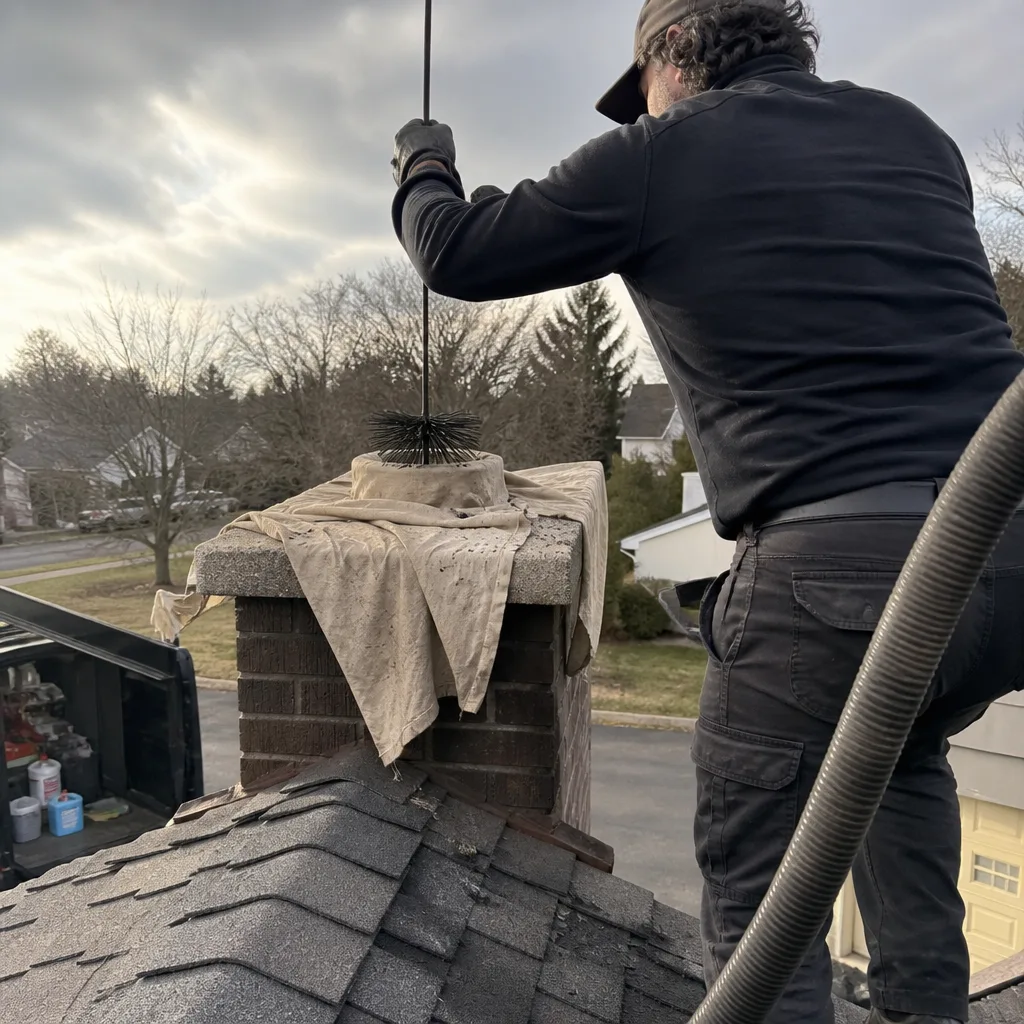
Collegeville’s climate creates specific, predictable stress points. A checklist tied to the calendar, not just annual rotation, prevents the damage patterns we document most often.
March: Freeze-Thaw Crown Assessment
The Philadelphia region averages 20-25 freeze-thaw cycles annually, concentrated in late winter. Each cycle, water in crown mortar expands 9%. By March, cumulative damage shows as:
- Crown cracks wider than 1/16 inch (hairline is normal; widening is not)
- Spalling or pop-outs on the crown surface
- Metal flue liner collar separation from crown concrete
- Water staining on exterior brick below crown level
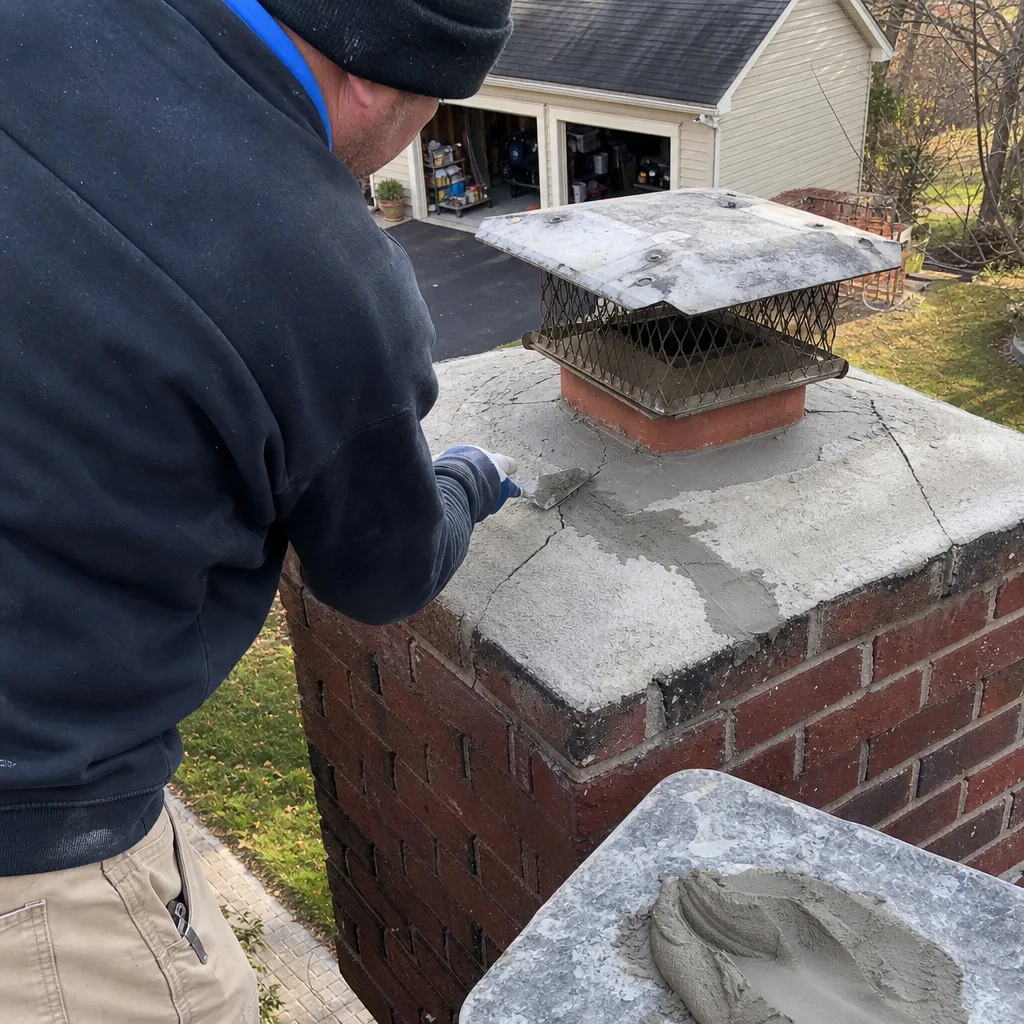
These defects admit water that accelerates through April’s rain. A crown seal with CrownSeal or similar flexible coating applied in dry April weather prevents the damage that requires full crown rebuild by October. Crown sealing in Collegeville typically runs $350-$650; crown rebuild runs $1,200-$2,400.
October: Cap Screen and Flue Obstruction Check
Collegeville’s mature oak canopy - particularly in neighborhoods like Skippack Pike corridor and the older sections near Ursinus College - produces heavy leaf and acorn drop from mid-October through early November. Cap screens clog with surprising speed, and squirrels cache acorns in unused flues during this period.
Pre-season inspection in October should verify:
- Cap screen mesh intact (no rust holes, no separation from frame)
- Screen free of leaf debris and nesting material
- Flue clear of obstructions (verified by camera, not flashlight)
- Crown and cap seal intact after summer heat cycles
October is also when we find the most animal entries: raccoons and squirrels seeking winter shelter. A cap with 3/4-inch mesh, properly secured, prevents this. Chimney Repair in Collegeville includes cap replacement with stainless steel units from Famco or Copperfield, sourced through our Haven buying network to keep pricing transparent.
January: Mid-Season Creosote Check
For heavy-use households, a mid-season inspection prevents Stage 2 progression. This is particularly important in Collegeville’s 1980s-1990s construction, where zero-clearance fireplaces with smaller flue diameters concentrate creosote faster than traditional masonry.
How to Build a Paper Trail That Follows the House
Chimney maintenance records are property assets, not personal files. When you sell, insurance claim, or dispute a defect, the documentation determines whether you’re protected or paying twice.
The paper trail has four components:
- Inspection and sweep records. Each visit should produce a dated report with technician name, company license information, scope performed, and condition findings. Store these chronologically. In Pennsylvania, home sellers must disclose known defects; documented annual inspection protects against post-sale claims that you concealed chimney conditions.
- Photo and video archive. Camera-scan files should be stored with date stamps and technician annotations. Cloud storage is preferable to local files that transfer with your devices. Clause 4 of the Haven Standard requires we provide these files; our practice is to email a download link valid for ten years.
- Written warranties and scope documents. These establish what work was performed, what materials were used (DuraFlex liner, HeatShield crown repair, Olympia Chimney components), and what guarantee applies. Keep the original with your home records, not just the company’s copy.
- Repair estimates and second opinions. If major work is recommended - liner replacement, rebuild, smoke chamber parging - obtain a second written opinion. Emberly Chimney Cleaners Collegeville provides free second opinions on any competitor’s written estimate. This documentation protects against overselling and establishes fair market value for insurance or dispute purposes.
When selling a Collegeville home, provide the complete chimney file to your agent. Buyers’ inspectors routinely flag uncertified chimneys; documented NFPA 211 Level 2 inspection within 12 months of sale removes this objection and often accelerates closing.
What Maintenance Costs vs. What Deferred Repair Costs in Collegeville
Specific pricing helps homeowners budget and compare. These ranges reflect Collegeville’s market, material costs through our Haven buying network, and labor rates for certified technicians.
| Service | Typical Range | What’s Included | Deferred Cost If Skipped |
|---|---|---|---|
| Annual sweep with Level 2 camera inspection | $200-$340 | Full flue sweep, smoke chamber check, camera-scan documentation, written condition report | Stage 3 creosote removal ($450-$900) or liner replacement ($2,800-$5,500) |
| Crown sealing (preventive) | $350-$650 | Surface prep, flexible sealant application, cap seal check | Crown rebuild ($1,200-$2,400) or water damage to firebox ($1,500-$4,000) |
| Cap replacement with stainless steel | $280-$520 | Custom-fit cap with animal screen, proper fastening, seal verification | Animal removal ($200-$400), flue damage repair ($800-$2,000), or fire from nesting material |
| Smoke chamber parging | $1,200-$2,800 | Surface preparation, refractory parging to NFPA 211 smoothness standard | Creosote accumulation requiring chemical treatment, or chimney fire with structural damage ($5,000-$15,000+) |
| Stainless steel liner installation | $2,800-$5,500 | Measurement, custom fabrication from DuraFlex or equivalent, insulation, connection, documentation | Chimney fire, CO intrusion, or code violation preventing home sale; potential structural rebuild ($8,000-$25,000) |
These are written prices, not estimates. Every Emberly Chimney Cleaners Collegeville job delivers a fixed price before work starts - Clause 1 of the Haven Standard. No “call for quote,” no range that widens when the technician arrives.
The cost pattern is consistent: preventive maintenance runs 15-25% of deferred repair cost, and documented maintenance prevents the emergency premium (after-hours, winter peak, or fire-damage response) that doubles or triples standard rates.
Common Mistakes to Avoid
- Assuming a clean firebox means a clean flue. The firebox is visible and gets casual cleaning; the flue, smoke chamber, and liner are where dangerous accumulation occurs. We’ve inspected Collegeville chimneys with pristine fireboxes and Stage 3 glazed creosote above the damper.
- Using the chimney’s “age” as a proxy for condition. A 5-year-old chimney with poor construction or overuse can be in worse condition than a 50-year-old chimney with consistent maintenance. Condition is measured by inspection, not calendar.
- Accepting “it looks fine” without documentation. Verbal assurance protects the sweep, not you. If there’s no photo, no written report, and no warranty, there’s no record for your next buyer, your insurer, or your lawyer.
- Ignoring the cap because “it’s just a cover.” The cap is primary defense against water, animals, and debris. In Collegeville’s oak-heavy neighborhoods, a missing or loose cap in October virtually guarantees obstruction or water entry by December.
- Deferring maintenance because “we barely use it.” Unused chimneys accumulate moisture, animal nesting, and structural damage from freeze-thaw without the drying effect of occasional fires. Annual inspection matters even for decorative fireplaces.
- Buying a home without chimney documentation. In Collegeville’s competitive market, buyers waive inspections. If the seller has no chimney records, budget $200-340 for immediate Level 2 inspection and potentially $2,800-5,500 for undiscovered liner issues.
When to Call a Professional
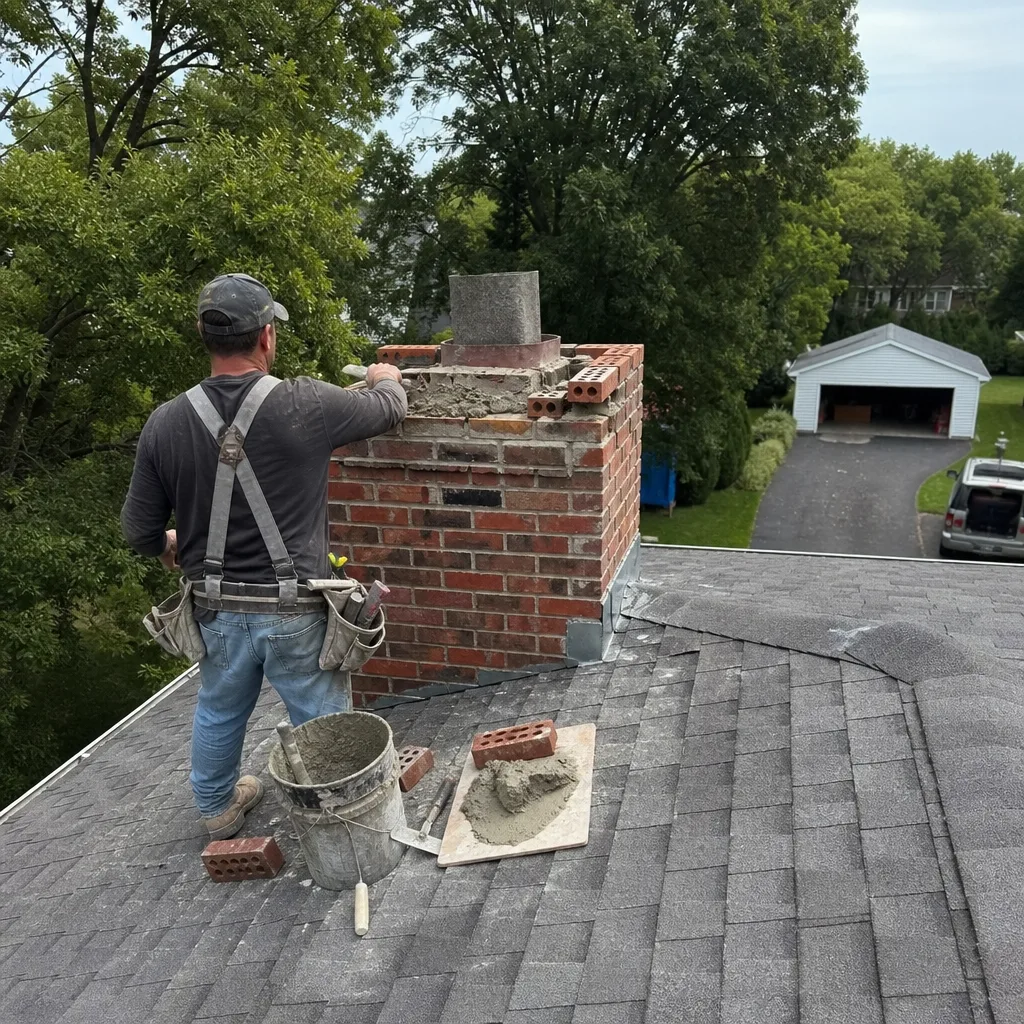
Call for inspection before lighting the first fire if: your chimney hasn’t been inspected in 12 months or more; you’ve noticed new odors, draft problems, or visible deterioration; you’ve purchased the home within the past year without receiving chimney documentation; or you’re converting fuel types (wood to gas, or adding a wood insert to a gas fireplace).
Call immediately if you experience smoke backup into the room, a chimney fire (roaring sound, dense smoke, hot exterior masonry), or carbon monoxide detector activation near the fireplace. These are active hazards, not maintenance deferrals.
For routine maintenance, Chimney Sweep in Collegeville through Emberly Chimney Cleaners Collegeville includes NFPA 211 Level 2 camera inspection, written price before work starts, and documented photo record on every visit. Free estimates are available - call (610) 884-0366 to schedule. Live phone support runs 24 hours a day, 7 days a week.
Frequently Asked Questions
A professional chimney sweep with NFPA 211 Level 2 camera inspection in Collegeville typically costs $200-$340. This includes full flue cleaning, smoke chamber assessment, camera-scan documentation, and a written condition report. Call (610) 884-0366 for a fixed written price before booking - estimates are free.
NFPA 211 recommends annual inspection for all chimneys, and sweeping when creosote deposits exceed 1/8 inch. In Collegeville, heavy-use wood-burning households (3+ fires weekly) often need mid-season inspection by January, while occasional users may extend to annual cycles if inspection confirms minimal accumulation. The determining factor is measured deposit thickness, not calendar alone.
A liner is needed when inspection shows cracks, gaps, spalling, or gaps between clay tile joints that allow heat or combustion gases to reach combustible framing - not merely when creosote is present. In our Collegeville inspections, about 30% of recommended liner replacements could have been prevented by earlier crown sealing and consistent sweeping. Ask to see the camera footage: if you can see cracks or gaps, the liner needs addressing; if the issue is only creosote, aggressive cleaning may suffice. We provide free second opinions on any competitor’s written liner recommendation.
Skipped maintenance leads to progressive creosote accumulation, which increases chimney fire risk and can produce Stage 3 glazing that damages the liner during removal. Water entry through cracked crowns causes mortar deterioration, spalling, and eventual structural compromise. In Collegeville’s climate, we’ve seen chimneys that deferred 3-4 years of maintenance require $4,000-$8,000 in rebuild or liner work that $200 annual sweeps would have prevented. Carbon monoxide intrusion from liner failure is the most serious risk - odorless, invisible, and potentially fatal.
Level 1 is visual, from accessible areas, without tools - appropriate for chimneys with no changes and consistent use. Level 2 includes camera-scan of the full flue, attic and basement access for clearance verification, and inspection of all accessible portions. In Collegeville, Level 2 is appropriate for all home purchases, fuel changes, or after weather damage or chimney fire. Emberly Chimney Cleaners performs Level 2 as standard on every visit - we don’t offer the lesser inspection.
Homeowners can brush a firebox and remove ash, but flue cleaning and inspection require proper equipment and training. The risks of DIY flue work include: falling from roof or ladder (especially on Collegeville’s steeper colonial pitches); improper brush selection that damages liner surfaces; missing concealed defects that camera inspection would catch; and voiding homeowner’s insurance if fire occurs after unlicensed work. For the documented record that protects your property value, professional service is the sound choice.
The Bottom Line
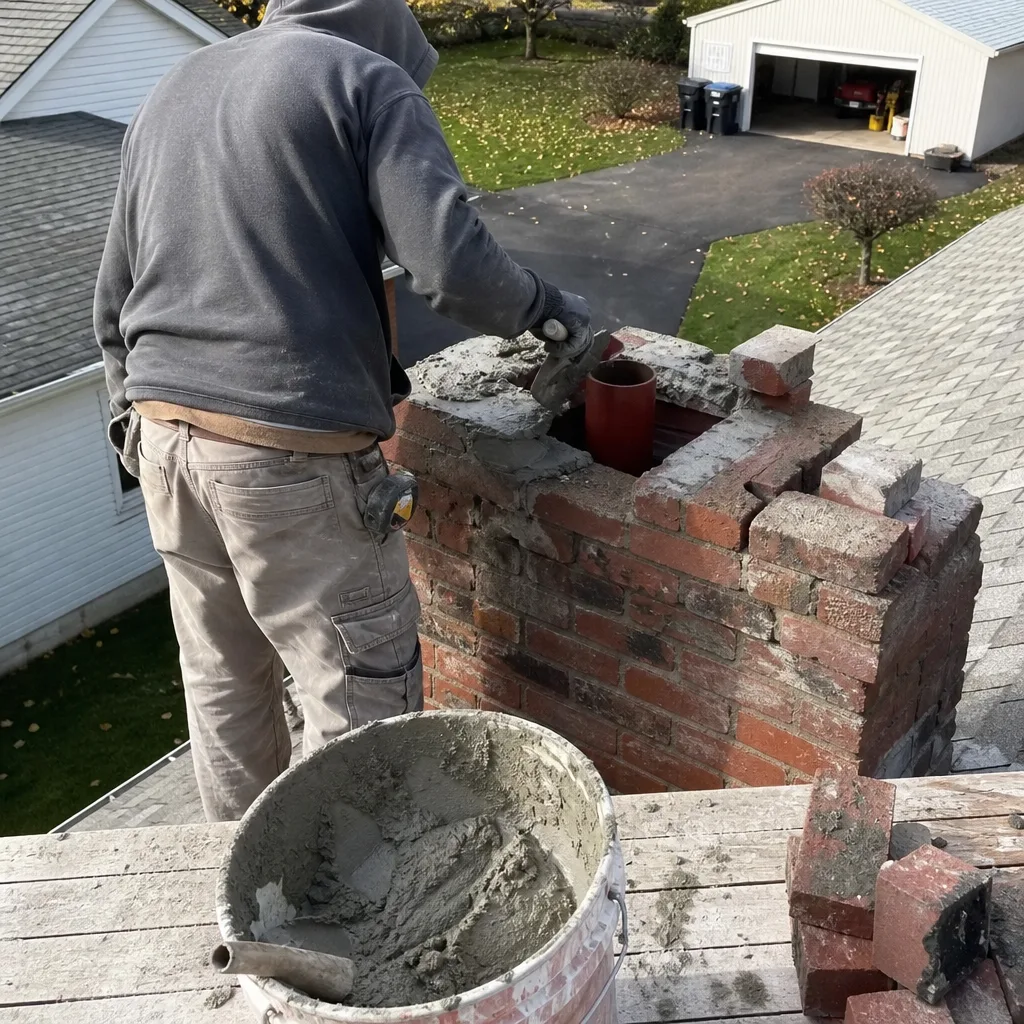
A useful chimney maintenance checklist connects each check to the defect it prevents and the cost of missing it. For Collegeville homeowners, this means six monthly owner inspections from the firebox, professional camera-scan documentation before each burn season, weather-specific attention in March and October, and a paper trail of photos, reports, and warranties that transfers with the property. The difference between $240 annual maintenance and $4,800 emergency repair is often a single deferred inspection. Get the price in writing, see the camera footage, and keep the records. Fireplace Services in Collegeville from Emberly Chimney Cleaners Collegeville delivers all three - fixed price before work, documented photo record after, and the 365-Day Done Right Promise on every job.
Written by Corrine Halstead, Owner at Emberly Chimney Cleaners Collegeville, serving Collegeville since 2009. Explore more guides & resources on our blog.