
Last updated September 22, 2026
Level 1 sweep and inspection to the NFPA 211 annual standard - flue, crown, cap, and flashing checked and photographed
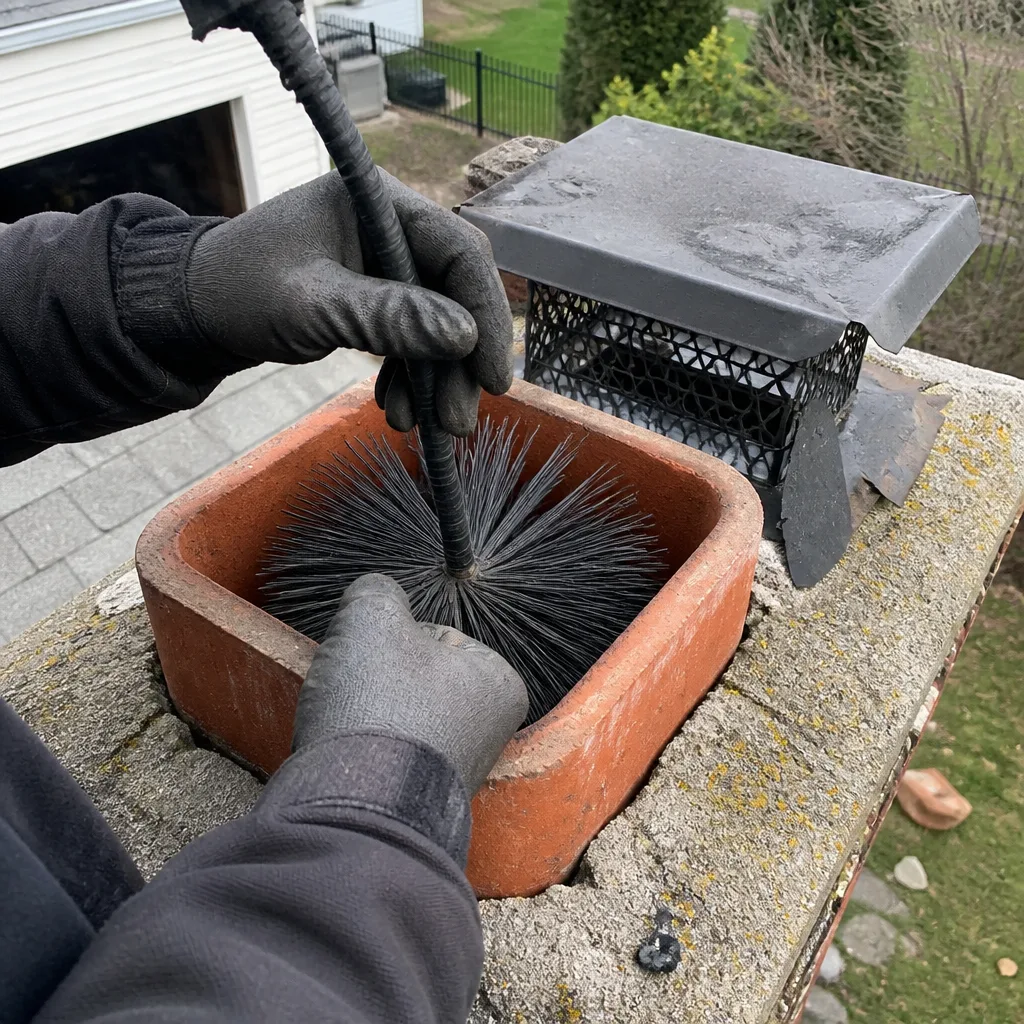
Chimney sweep logs do not sweep chimneys. They loosen some creosote - which then falls where a brush and vacuum still have to collect it.
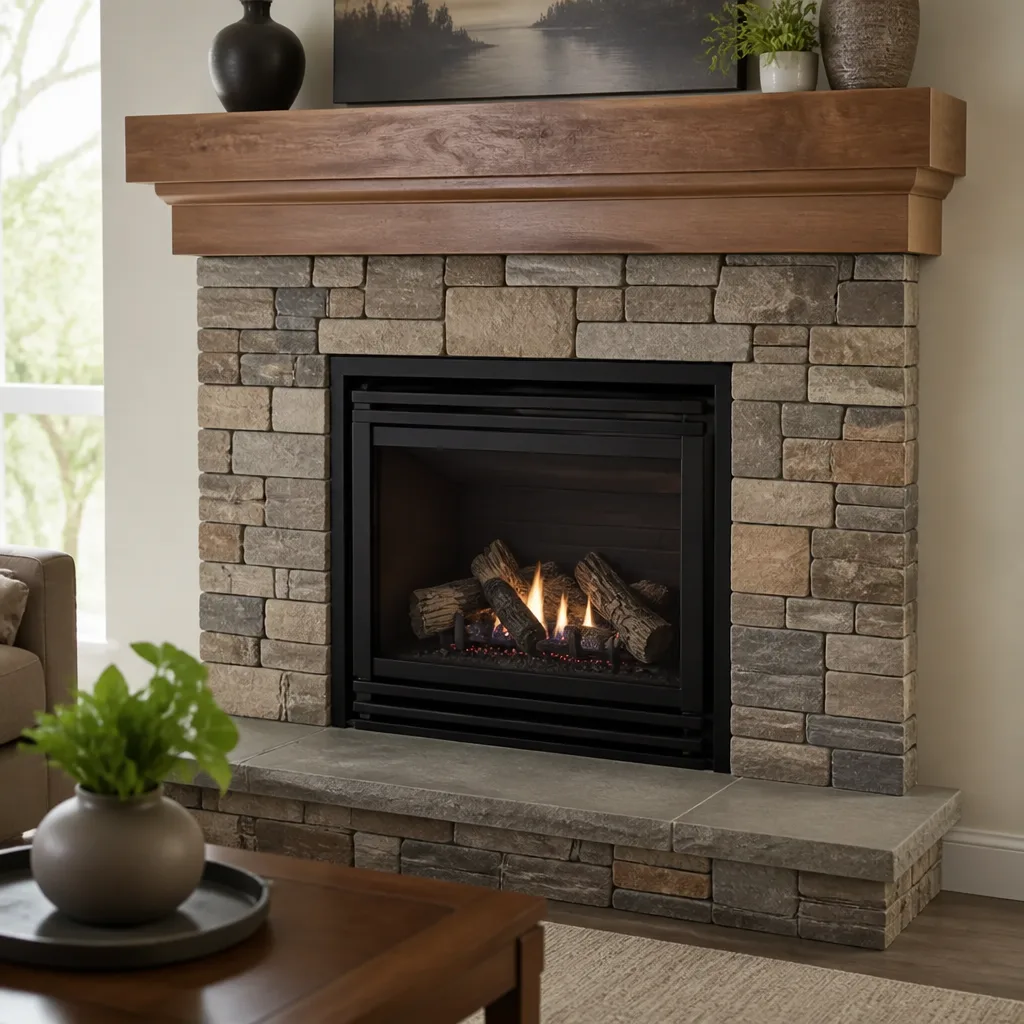
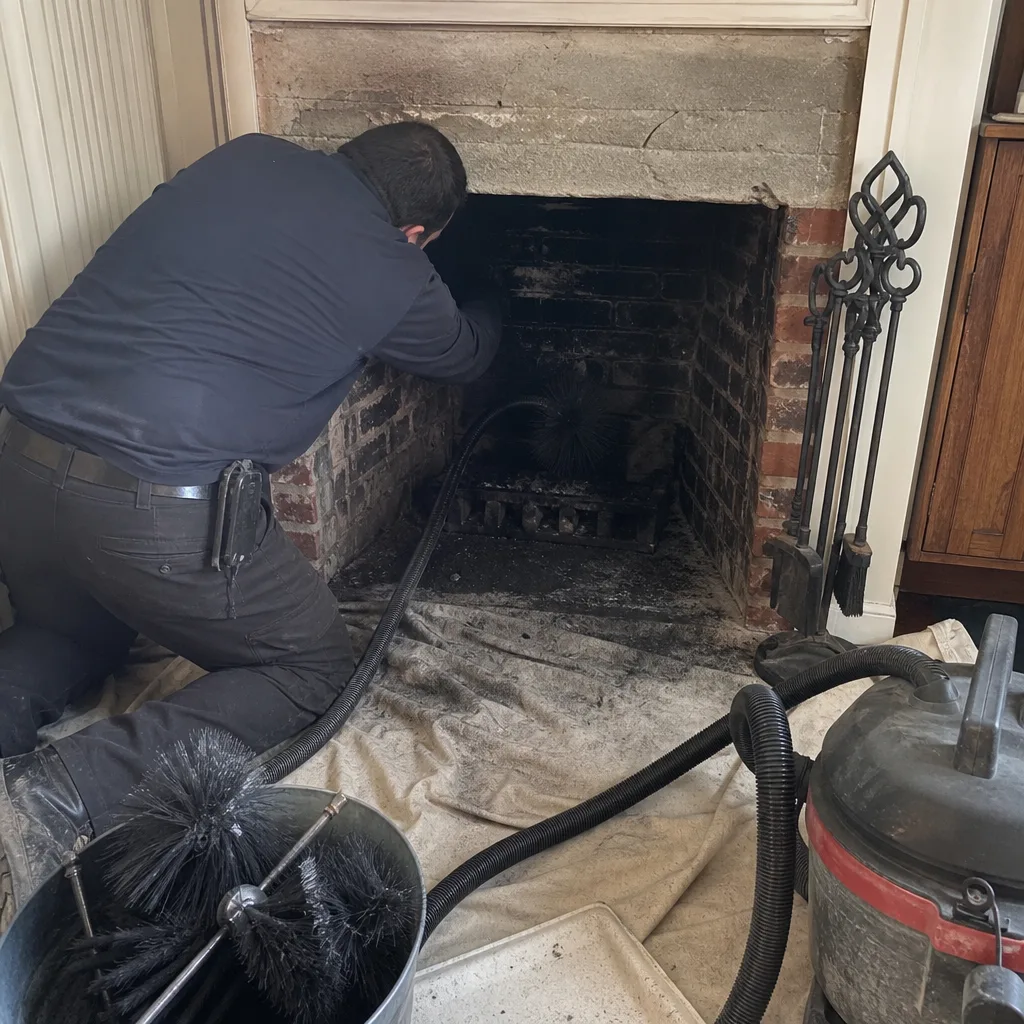 Before
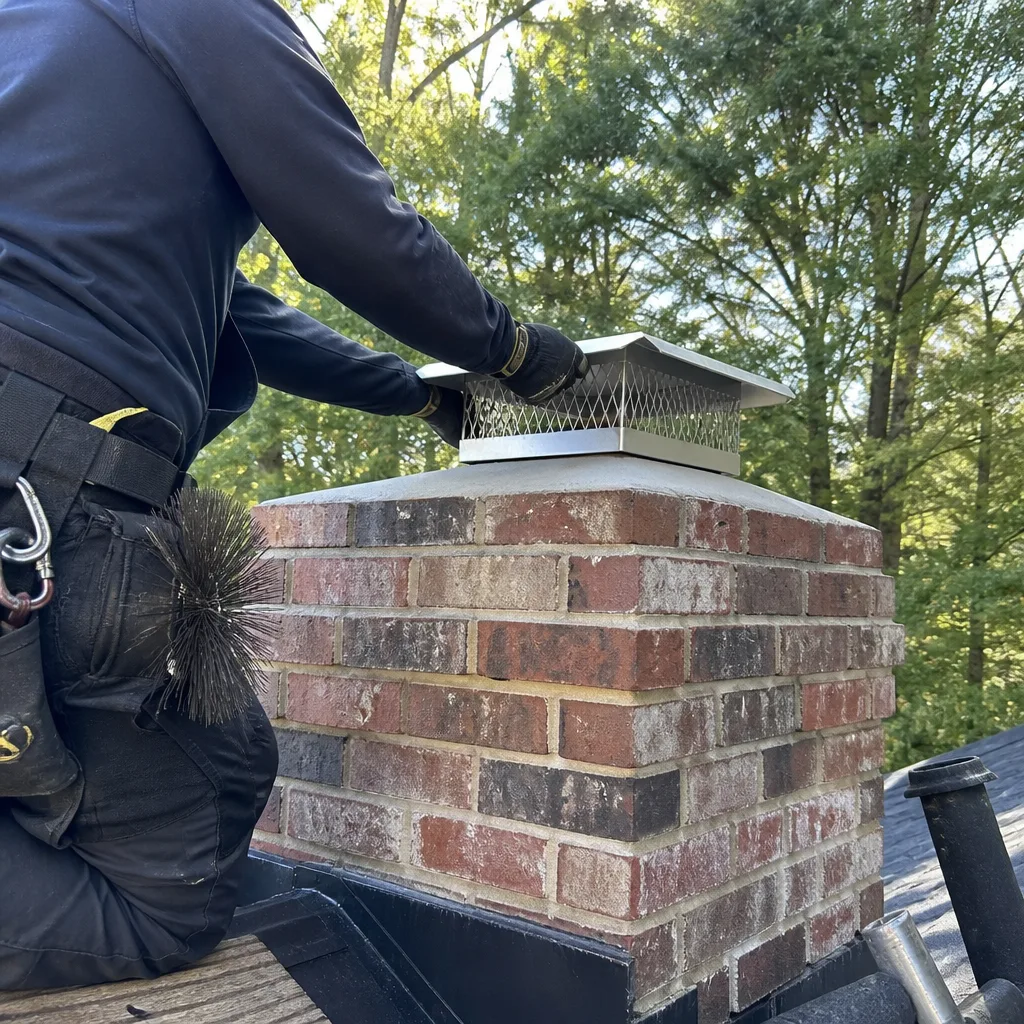 After
After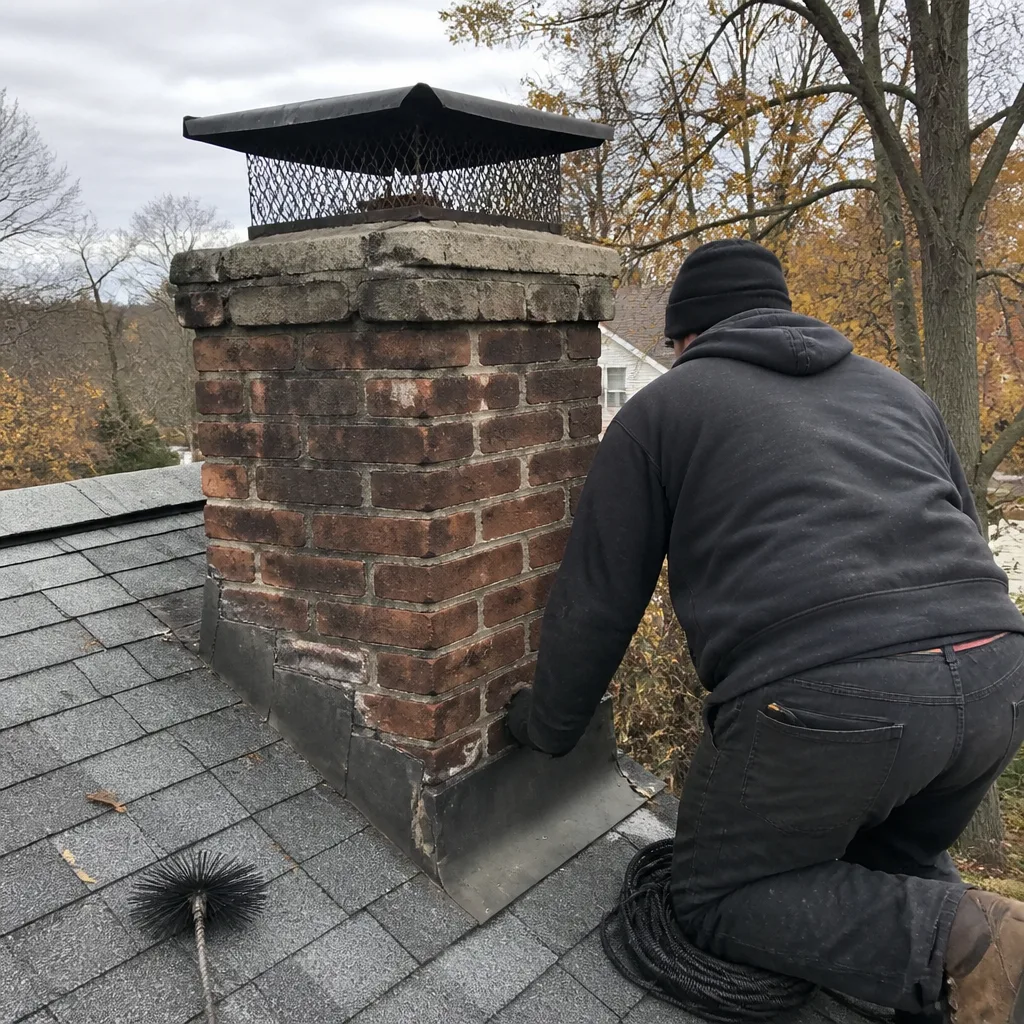 Before
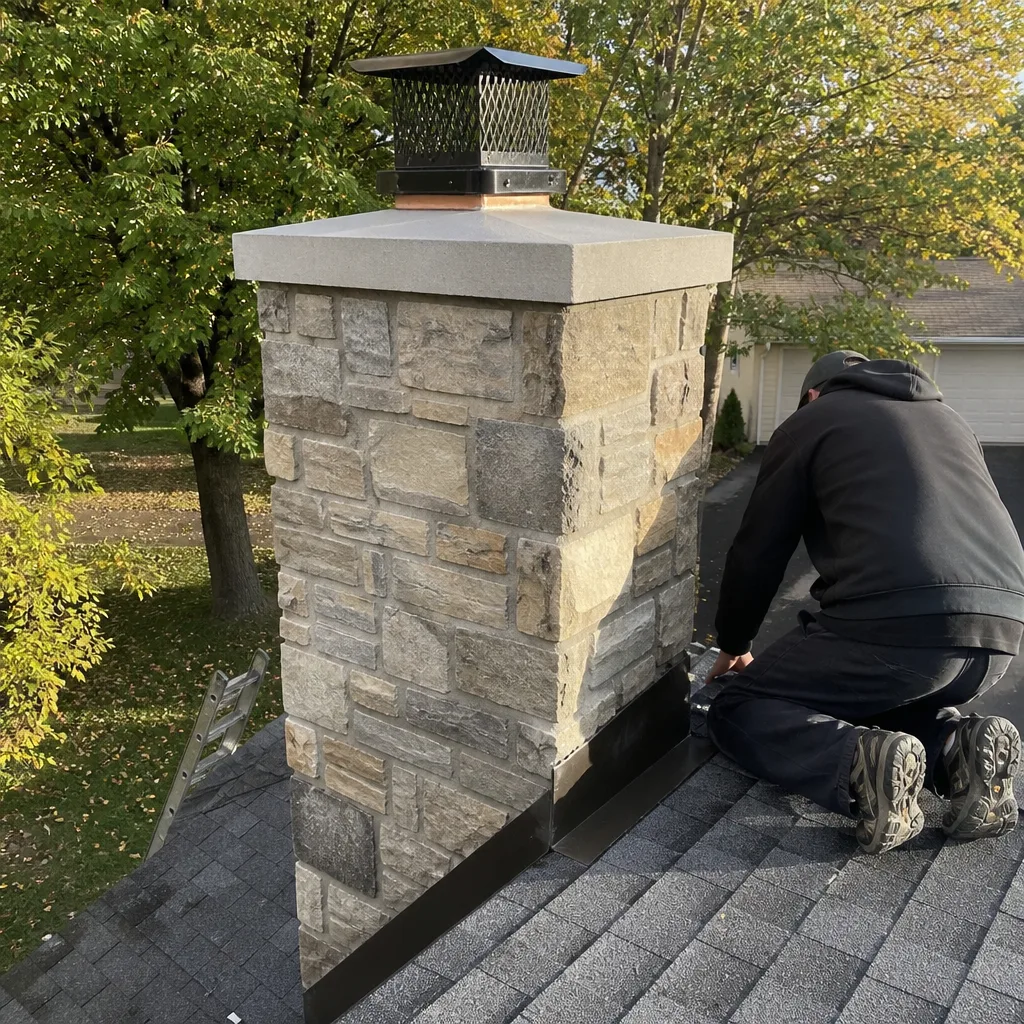 After
After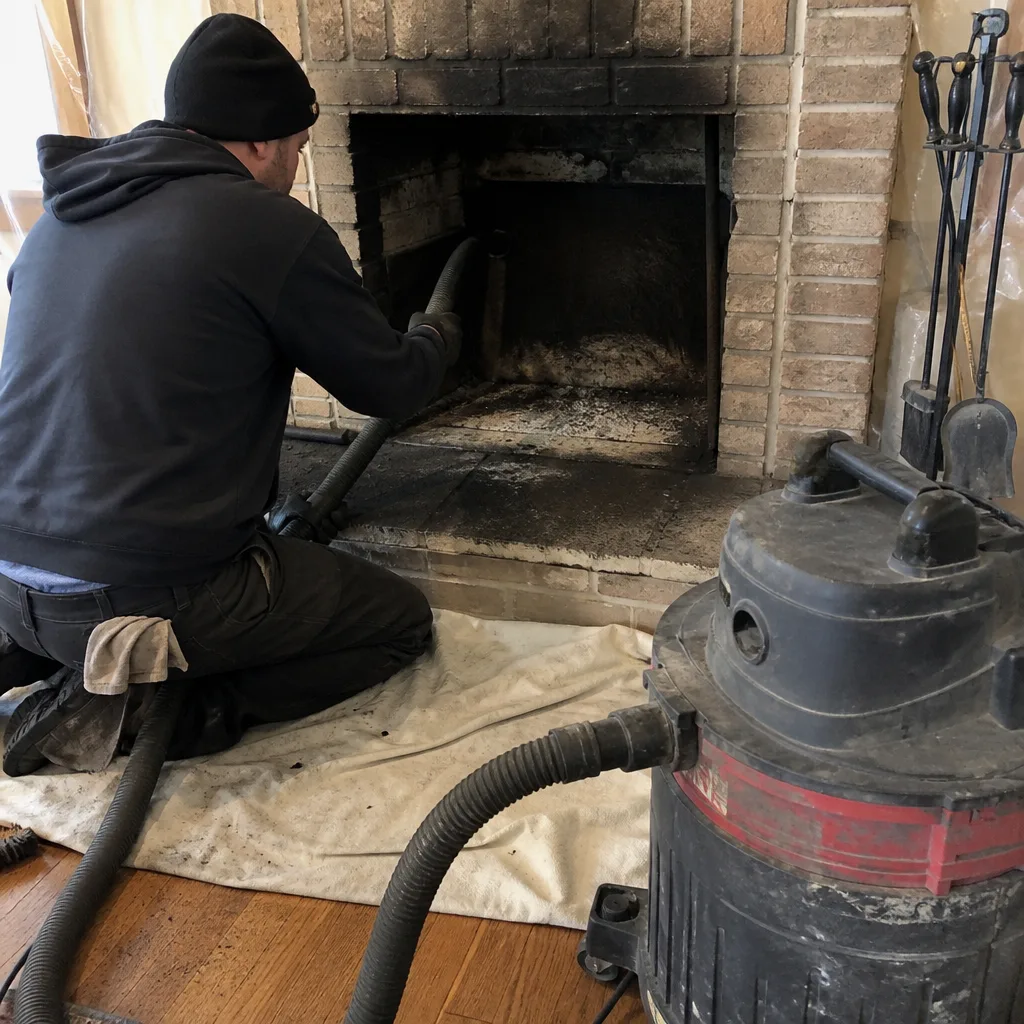 Before
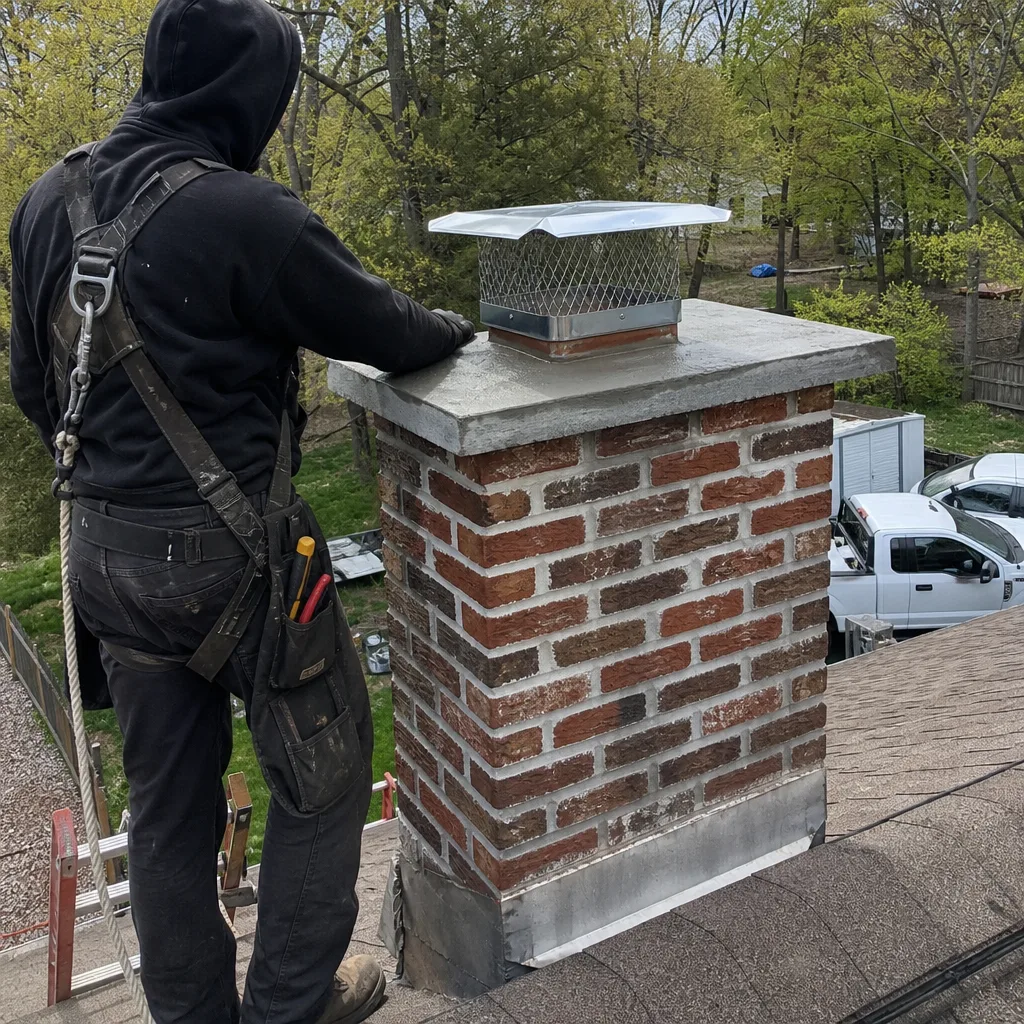 After
AfterChimney Cleaning Warning Signs: A Collegeville Homeowner’s Reference Guide
The white staining on your Collegeville home’s chimney exterior is called efflorescence. It’s not cosmetic - it’s water moving through your masonry, and it shows up well before the liner damage it signals. Most chimney warning signs don’t announce themselves. They leave physical evidence in the firebox, on the exterior, and in the flue that a camera finds months before a fire does. This reference guide names each sign, what it means, and what it costs to ignore it. We’ve inspected more than 38,000 chimneys since 2009, and the pattern is consistent: the homeowners who catch problems early pay for a sweep. The ones who wait pay for a rebuild.
Quick Answer
Chimney warning signs fall into three categories: exterior masonry damage (efflorescence, spalling, missing mortar), firebox and interior indicators (creosote buildup, rust, damaged liner tiles), and performance symptoms (smoke backdraft, persistent odors, slow draw). In Collegeville’s freeze-thaw climate, water intrusion signs on the exterior typically precede interior liner damage by one to two burning seasons. A camera-scan inspection (NFPA 211 Level 2) confirms what visual signs suggest.
Table of Contents
- Seven Exterior Warning Signs Visible From the Ground
- Creosote Stages: What You’re Actually Seeing in the Firebox
- Odor as a Diagnostic: Three Chimney Smells and What They Mean
- Smoke Behavior: Backdraft, Slow Draw, and Spillage Patterns
- Same-Week Action vs. Next-Season Scheduling: A Cost Breakdown
- Common Mistakes to Avoid
- When to Call a Professional
- Frequently Asked Questions
BeforeAfterSeven Exterior Warning Signs Visible From the Ground
Collegeville’s climate delivers 25 to 30 freeze-thaw cycles each winter. Water enters masonry cracks as liquid, expands as ice, and opens those cracks wider. The damage accumulates where you can see it before it becomes damage you can’t see inside the flue.
1. Efflorescence (white powdery staining)
Efflorescence is salt deposits left when water moves through brick and evaporates at the surface. It means water is migrating through the masonry - not pooling on top of it. In Collegeville, we see this most on north-facing chimney exposures where sun doesn’t dry the brick quickly. The water is carrying dissolved minerals from the mortar and brick. More importantly, it’s finding a path through the masonry that will eventually reach the flue liner. Left unaddressed, the same water pathway causes spalling and liner deterioration. Remediation cost: $800-$1,400 for crown sealing and waterproofing. Rebuild cost if ignored: $4,500-$12,000.
2. Spalling brick (flaking or popping faces)
Spalling occurs when water trapped inside brick freezes and pops off the face. The brick loses its hard outer shell and exposes the softer interior. Once spalling starts, it accelerates - the porous interior absorbs more water than the sealed face ever did. In neighborhoods like Skippack and Trappe, we see spalling concentrated on chimneys with failed or missing crowns. The crown is the concrete cap that sheds water away from the flue. When it’s cracked or improperly sloped, water enters the top course of brick and freeze-thaw does the rest.
3. Missing or crumbling mortar joints
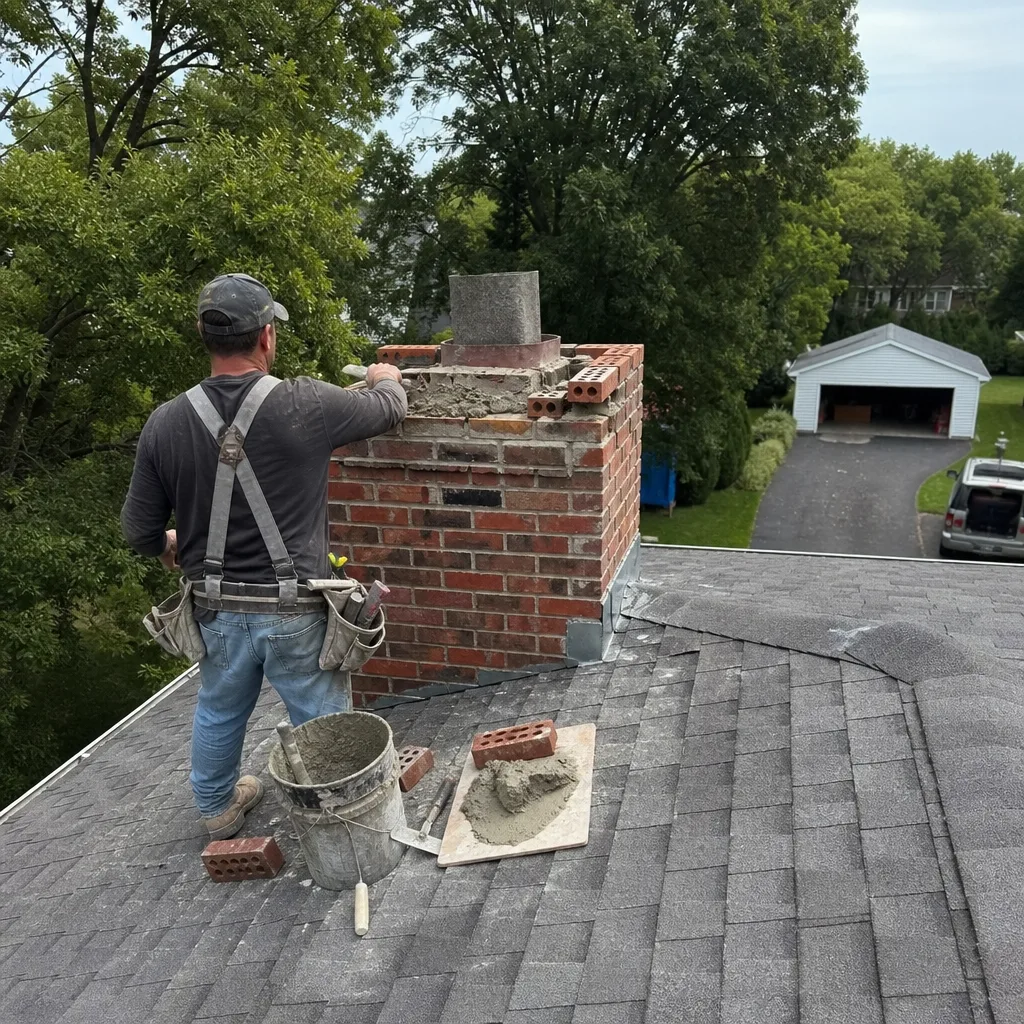
Tuckpointing (grinding out old mortar and replacing it) costs $15-$25 per square foot in the Collegeville market. Complete mortar failure leads to structural instability and requires partial rebuild. The warning sign is mortar that crumbles when you scratch it with a key, or joints recessed more than half an inch. We document this with photos during every Chimney Sweep in Collegeville - it’s Clause 4 of the Haven Standard.
4. Crown cracks or deterioration
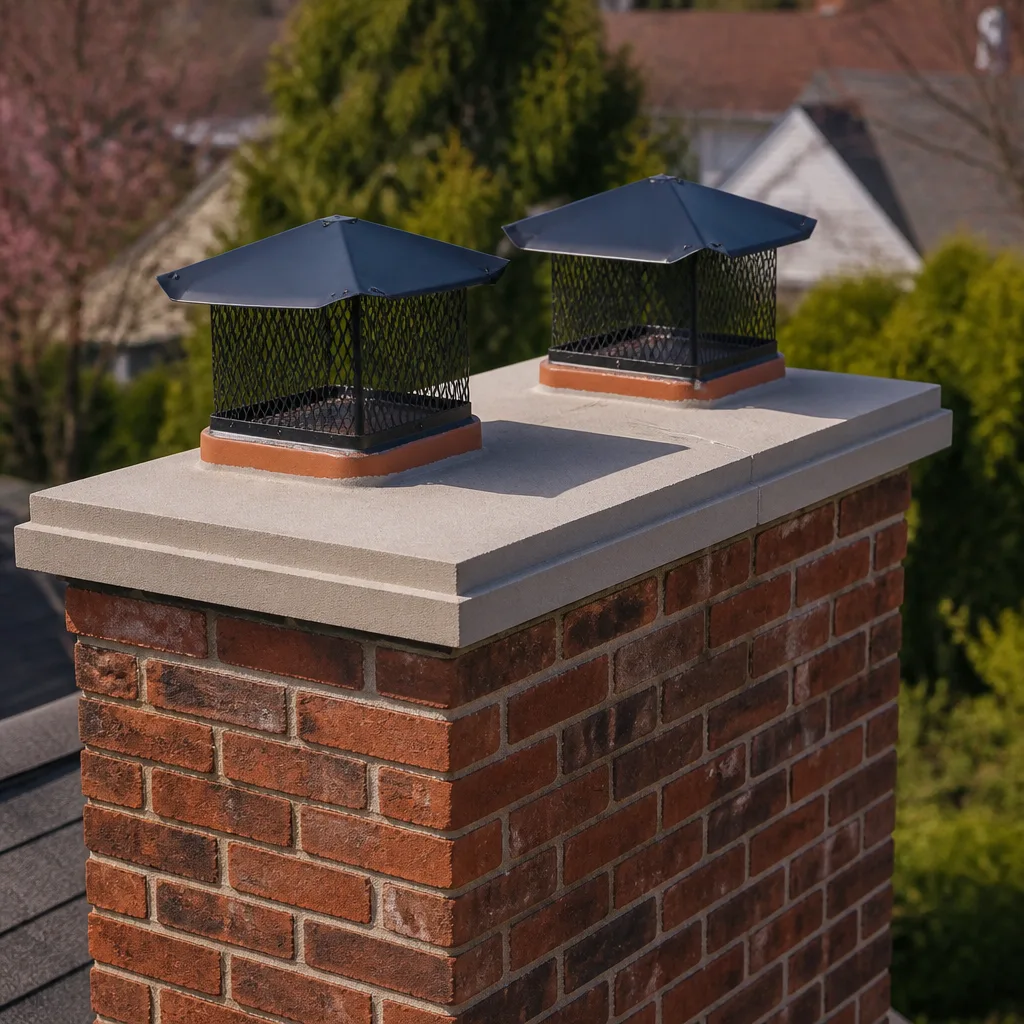
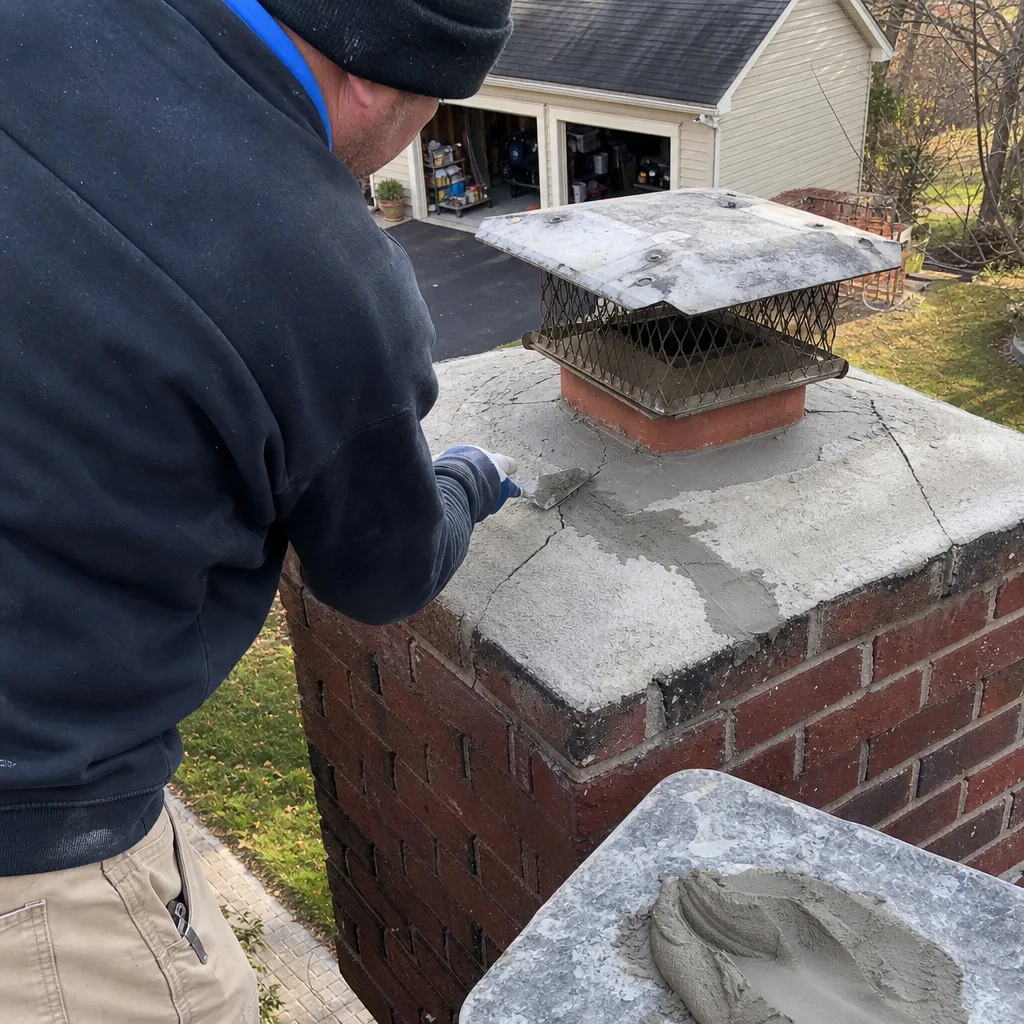
The crown is not the cap. The crown is the concrete slab that tops the masonry, sloped to shed water. Cracks wider than 1/8 inch allow direct water entry into the chimney structure. Crown repair with flexible sealant runs $350-$600. Crown rebuild: $1,200-$2,500. In Collegeville, crowns poured without expansion joints (common on homes built 1985-2005) crack predictably within 10-15 years.
5. Rust stains on the exterior
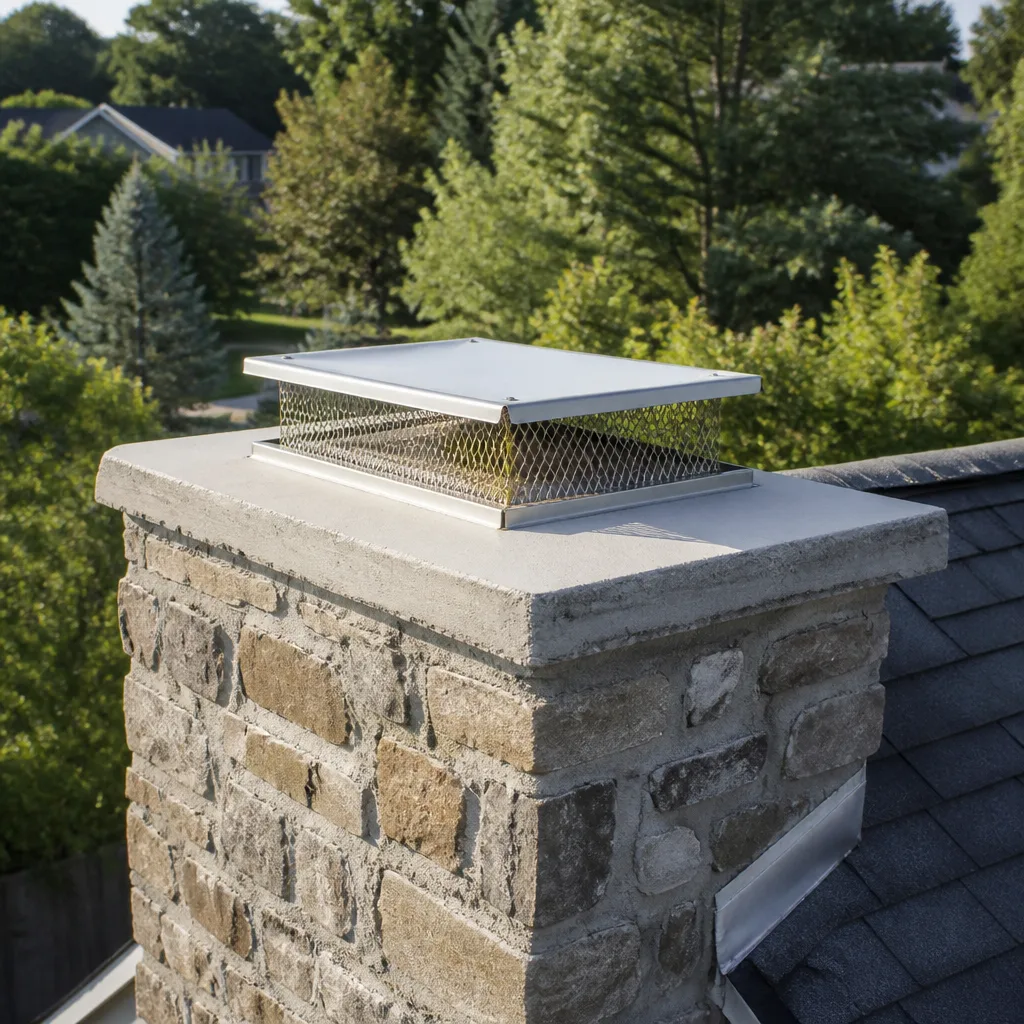
Rust streaks running down brick indicate corroded metal components - typically the chimney cap, flashing, or a deteriorated chase cover on prefabricated chimneys. The rust itself stains masonry, but the underlying issue is metal failure that admits water. A Gelco stainless steel cap with proper overhang prevents this; installed cost in Collegeville runs $250-$450 depending on flue count and accessibility.
6. Leaning or separated chimney
A chimney that pulls away from the house indicates foundation settlement, deteriorated footing, or failed lateral support. This is same-week territory - structural failure risk. Stabilization with helical piers or reconstruction runs $3,500-$15,000 depending on height and access. We’ve documented three leaning chimneys in Collegeville’s older Perkiomen Township sections in the past 24 months.
7. Damaged or missing flashing
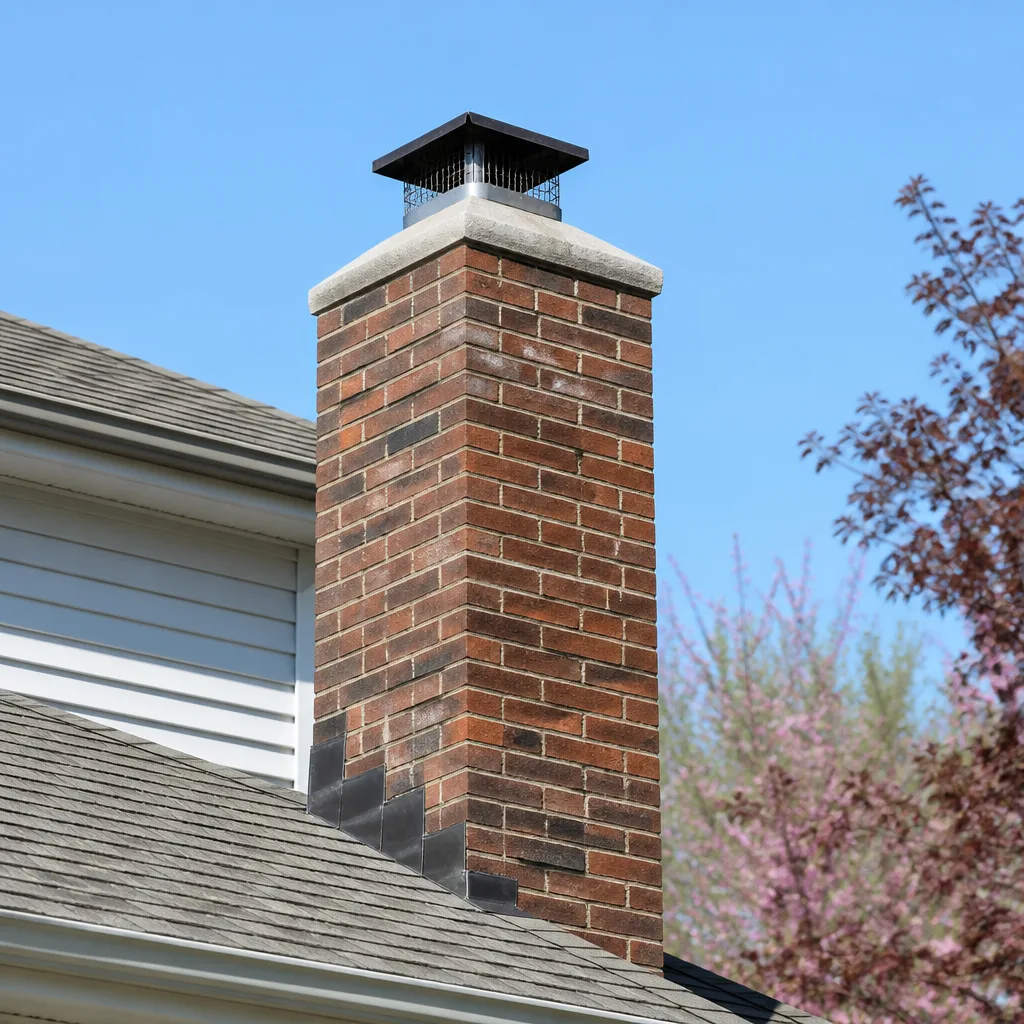
Flashing is the metal intersection where chimney meets roof. Lifted corners, gaps, or tar patches mean water is entering the roof deck and chimney structure. Professional flashing replacement with step and counterflashing: $500-$1,200. The cost of repairing rotted roof decking and interior ceiling damage: $2,000-$5,000.
Creosote Stages: What You’re Actually Seeing in the Firebox
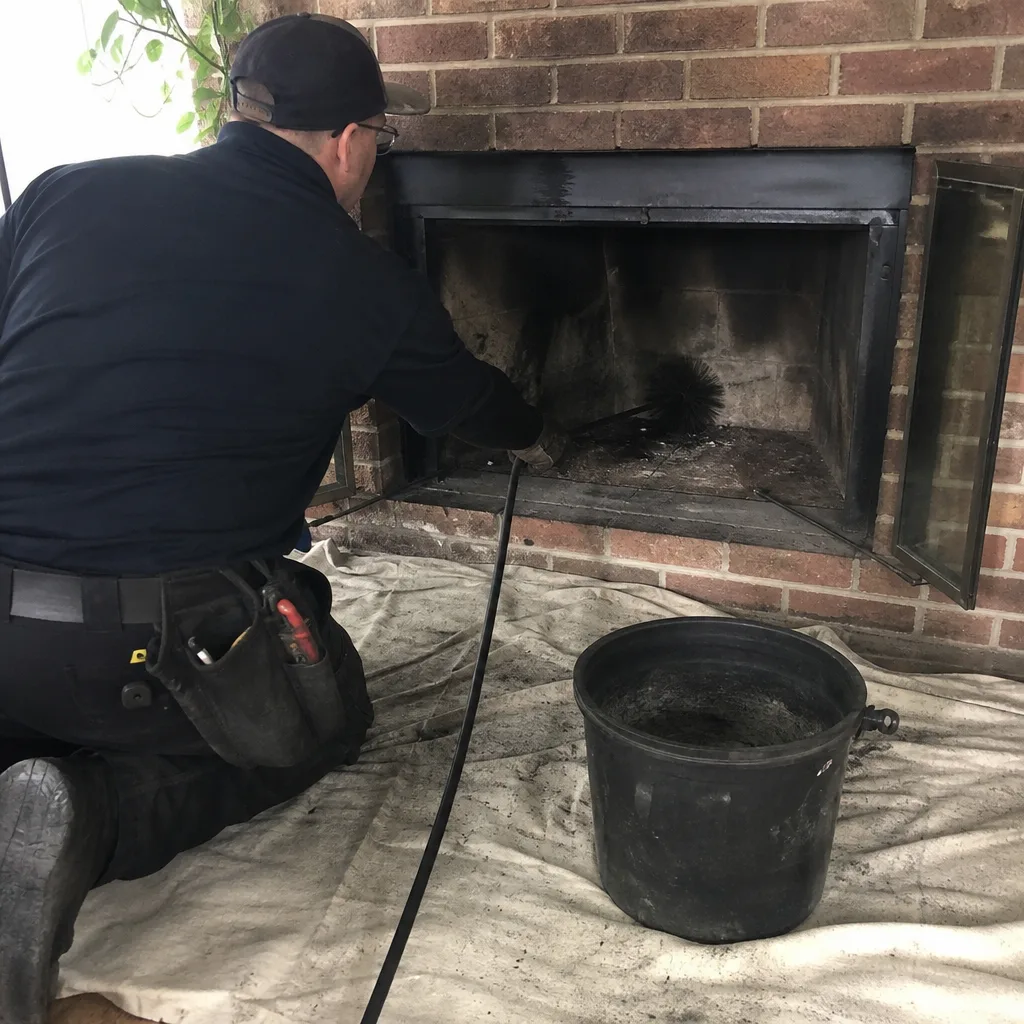
Creosote is not one substance. It’s a progressive buildup that changes composition as it accumulates, and each stage requires different removal methods. The NFPA 211 recognizes three stages, and mistaking one for another leads to incomplete cleaning and continued fire risk.
Stage 1: Sooty, flaky, brushable
Stage 1 creosote looks like black or brown soot that brushes off with a chimney sweep’s poly or wire brush. It forms with proper combustion - dry hardwood, adequate air supply, hot fire. Standard rotary or hand brushing removes it completely. This is what a routine Chimney Sweep in Collegeville addresses. Cost: flat-rate sweep, typically $200-$300 in this market, with camera inspection included under Haven Standard Clause 4.
Stage 2: Shiny, tar-like, puffy flakes
Stage 2 creosote has a hard, glossy surface and forms in puffy, honeycombed layers. It indicates cooler flue temperatures - often from burning unseasoned wood, closing the damper too early, or an oversized flue that doesn’t heat sufficiently. Stage 2 does not brush off. It requires rotary chain whipping or chemical treatment to soften before mechanical removal. The cleaning method changes, the time on site doubles, and the cost increases 40-60 percent. More critically, Stage 2 signals combustion conditions that will produce Stage 3 if unchanged.
Stage 3: Glazed, hardened, glassy
Stage 3 creosote is a hardened, glossy, nearly impermeable layer - essentially wood tar baked onto the flue surface. It’s the most combustible form and the most difficult to remove. Chemical treatment (applied over one to two weeks, then mechanically removed) or rotary chain removal with specialized heads is required. In severe cases, the liner itself is compromised and replacement becomes necessary. A DuraFlex stainless steel liner, installed, runs $2,500-$4,500 in Collegeville depending on height and diameter.
What to check in your firebox:
- Black powder that wipes off with a finger: Stage 1, schedule routine sweep
- Shiny, sticky buildup that resists scratching: Stage 2, schedule enhanced cleaning and combustion review
- Hard, glassy coating that sounds like ceramic when tapped: Stage 3, schedule immediate inspection - camera scan mandatory
In our experience across 38,000 inspections, Collegeville homeowners burning cordwood from local suppliers often receive wood at 25-30 percent moisture (seasoned wood should be below 20 percent). This single factor pushes more chimneys from Stage 1 to Stage 2 than any other variable.
Odor as a Diagnostic: Three Chimney Smells and What They Mean
Chimney odor is not generic. Three distinct smells indicate three different structural or operational problems, and identifying which you’re smelling directs the inspection priority.
1. Campfire or smoky smell (especially in humid weather)
This is absorbed creosote off-gassing. Creosote is hygroscopic - it absorbs moisture from humid air and releases volatile compounds that smell like a cold campfire. The smell intensifies in summer when humidity rises and the air conditioning creates negative pressure that draws air down the flue. In Collegeville, we get calls for this odor spike every June and July. It means creosote buildup is present and the chimney needs sweeping. The odor itself is not dangerous, but the underlying buildup is. A standard sweep with deodorizing treatment resolves it.
2. Musty or mildew smell
Musty odor indicates water intrusion into the chimney structure - not just the flue, but the surrounding masonry or chase. Water plus organic debris (leaves, animal nesting material) produces mold and mildew. The source is typically a failed crown, missing cap, or deteriorated chase cover on factory-built chimneys. This requires leak detection, not just cleaning. We use video scan to confirm liner condition and moisture testing to trace entry points. Repair scope varies from cap replacement ($250-$450) to crown rebuild and waterproofing ($1,200-$2,500).
3. Sharp, acrid, or chemical smell
A sharp, chemical odor - sometimes described as asphalt or burning plastic - indicates improper materials burned in the fireplace (treated lumber, painted wood, wrapping paper) or a liner breach allowing combustion gases to contact surrounding materials. This is same-week action. A breached liner can allow carbon monoxide migration into wall cavities or living spaces. Camera inspection confirms liner integrity. If the liner is cracked, spalled, or missing sections, replacement with a listed stainless steel liner (DuraFlex or equivalent) is required per NFPA 211.
Smoke Behavior: Backdraft, Slow Draw, and Spillage Patterns
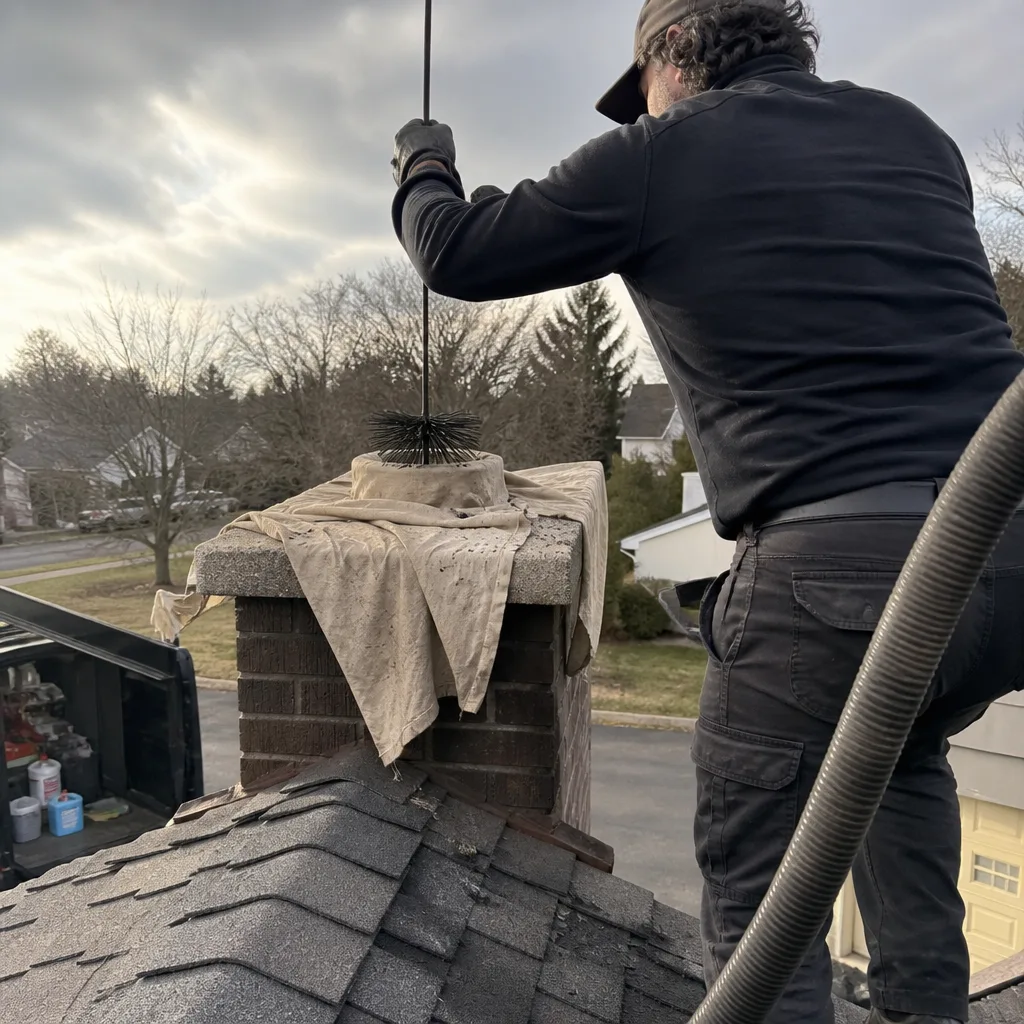
Smoke that doesn’t go up the chimney is telling you something specific about the flue, the firebox, or the house. The pattern of failure identifies the cause.
Backdraft at startup
Smoke pours into the room when you first light the fire, then improves as the flue heats. This indicates cold air blocking the flue - common in exterior chimneys on north walls, or in chimneys that haven’t been used recently. The flue is filled with dense, cold air that resists the lighter hot air from the fire. Solution: pre-warm the flue with a rolled newspaper torch or hair dryer before lighting. Persistent backdraft despite pre-warming suggests an oversized flue, chimney too short for the house, or competing negative pressure from kitchen exhaust or HVAC.
Slow draw throughout the burn
The fire burns, but sluggishly, with smoke lingering in the firebox and visible wisps escaping the fireplace opening. This indicates restricted airflow - either in the flue (creosote buildup, bird nest, collapsed liner) or in the firebox (damper not fully opening, ash dump blocked, or smoke chamber improperly designed). A Level 2 inspection with camera scan identifies the restriction. In Collegeville’s 1970s-1990s subdivisions, we frequently find smoke chambers parged with deteriorated mortar that has slumped into the passage, reducing effective flue area by 30-50 percent. Smoke chamber parging with Chamber-Tech 2000 or HeatShield Cerfractory Foam restores proper geometry.
Spillage at peak burn, especially when closing doors
Smoke escapes when the fire is hottest, or when you close glass doors or the room becomes more airtight. This indicates insufficient makeup air - the fire consumes oxygen faster than the house can replace it, creating negative pressure that reverses the draft. Modern tight construction, whole-house fans, and range hoods exacerbate this. Solutions range from opening a window slightly during fire use (temporary) to installing a dedicated outside air kit (permanent, $400-$800 installed).
Smoke stains on the fireplace face
Black staining above the fireplace opening, on the mantel, or on adjacent wall surfaces records repeated smoke spillage. The pattern shows where smoke escapes - top of the opening indicates face drafting from a shallow firebox or too-tall opening; sides indicate turbulence from rough smoke chamber surfaces; widespread staining indicates chronic pressure imbalance. We photograph these patterns during inspection - the stain geometry helps diagnose the cause before the camera goes up the flue.
Same-Week Action vs. Next-Season Scheduling: A Cost Breakdown
Not every warning sign demands immediate response. Some conditions worsen slowly; others accelerate toward failure. This timeline is based on what we’ve documented across 38,000 inspections in southeastern Pennsylvania’s climate.
| Warning Sign | Urgency | Delay Cost if Ignored | Typical Remediation (Collegeville) |
|---|---|---|---|
| Stage 1 creosote | Next-season scheduling acceptable | Progresses to Stage 2; cleaning cost increases 40-60% | $200-$300 sweep with camera inspection |
| Stage 2 creosote | Schedule within 4-6 weeks | Progresses to Stage 3; may require chemical treatment or liner replacement ($2,500-$4,500) | $280-$450 enhanced cleaning |
| Stage 3 creosote | Same-week; do not burn until inspected | Chimney fire risk; liner damage; potential structural fire | $400-$700 chemical/mechanical removal; liner replacement if damaged |
| Efflorescence | Schedule this season | Spalling, liner damage, rebuild ($4,500-$12,000) | $800-$1,400 crown sealing and waterproofing |
| Spalling brick | Schedule within 2-4 weeks | Accelerates; partial to full rebuild ($3,500-$15,000) | $1,500-$3,500 tuckpointing and crown repair |
| Musty odor with water stains | Schedule within 2 weeks | Liner corrosion, mold, structural decay ($2,000-$8,000) | $500-$2,500 leak source repair |
| Chemical/acrid odor | Same-week; discontinue use | Carbon monoxide exposure; liner breach fire risk | $2,500-$4,500 liner replacement if breached |
| Smoke backdraft (persistent) | Schedule within 1-2 weeks | Chronic CO exposure; smoke damage to home ($3,000-$10,000) | $400-$800 pressure testing; $1,500-$4,500 smoke chamber/liner work |
| Leaning or separated chimney | Same-week; structural engineer if severe | Collapse; injury; property damage ($15,000-$50,000+) | $3,500-$15,000 stabilization or rebuild |
The pattern is consistent: early intervention addresses the source problem. Delayed intervention addresses the source problem plus everything it damaged. In Collegeville’s freeze-thaw environment, water intrusion signs on the exterior typically precede interior liner damage by one to two burning seasons. The camera finds what visual inspection cannot.
Common Mistakes to Avoid
- Assuming no odor means no problem. Creosote buildup produces no smell in dry winter air. The absence of odor in January doesn’t indicate clean flue - it indicates low humidity. By June, when humidity rises and the smell appears, the buildup has had six months to progress.
- Using a shop vacuum to “clean” the firebox. Standard shop vacuums lack HEPA filtration for fine combustion particulate and are not designed for flammable residue. More critically, they don’t address creosote upstream in the flue where the fire risk concentrates.
- Burning “just a little” green or treated wood. One cord of unseasoned oak produces Stage 2 creosote in approximately 15-20 burns. Treated lumber releases copper, chromium, and arsenic compounds that accelerate liner corrosion. In Collegeville, we see liner breaches traced to a single season of construction scrap burning.
- Trusting a flashlight inspection from the top or bottom. A flashlight cannot evaluate the full circumference of a flue liner, cannot document cracks offset from the light source, and cannot reach the smoke chamber where 60 percent of chimney fires originate. NFPA 211 Level 2 requires camera inspection for this reason - it’s what Haven Standard Clause 4 has required since 2009.
- Waiting for “burning season” to schedule. Chimney sweeps in the Collegeville area book 3-4 weeks out by October. Scheduling in August or September ensures availability, allows time for repairs before first fire, and often secures preseason pricing. A Fireplace Services in Collegeville inspection in September prevents a January emergency call.
- Accepting a verbal estimate for masonry or liner work. Without written scope, written price, and written warranty, you have no documentation if the final bill exceeds the quote or the work fails. Haven Standard Clause 1 requires all three in writing before work begins - not after the technician is in your home.
- Ignoring neighborhood patterns. In developments like Providence Township and Worcester built in the same era with the same materials, chimney problems cluster. If your neighbor needed crown work or liner replacement, your chimney likely shares the same design, materials, and exposure. The warning signs are probably present on your home too.
When to Call a Professional
Call for a Level 2 inspection with camera scan if you observe any of the following: visible creosote buildup beyond light soot, any smoke spillage into the room, water stains on the chimney face or adjacent ceiling, white or dark staining on exterior masonry, rust in the firebox or damper area, or a persistent odor you cannot source. Discontinue fireplace use immediately if you smell acrid chemical odors, observe cracked or missing flue tiles, or see the chimney leaning or separating from the structure.
Chimney Repair in Collegeville through Emberly Chimney Cleaners Collegeville includes NFPA 211 Level 2 camera-scan inspection on every visit, with documented photo record per Haven Standard Clause 4. We provide written price, written scope, and written warranty before any work begins - Clause 1 of the Haven Standard. Free estimates are available throughout Collegeville, Trappe, Skippack, and surrounding areas. Call (610) 884-0366 to schedule.
Frequently Asked Questions
A standard chimney sweep with NFPA 211 Level 2 camera inspection in Collegeville typically runs $200-$300. Enhanced cleaning for Stage 2 creosote runs $280-$450. Every job includes a written price before work starts, documented photo record, and the 365-Day Done Right Promise. Call (610) 884-0366 for an exact quote - estimates are free.
The NFPA 211 recommends annual inspection, with cleaning frequency determined by creosote accumulation, not calendar. Most Collegeville homeowners burning 1-2 cords per season need annual sweeping. Those burning more, or burning softer woods like pine or unseasoned cordwood, may need mid-season inspection. We document creosote stage during each visit and recommend the next interval based on what the camera shows, not a preset schedule.
You need a new liner only if the existing liner is breached, cracked, or missing - and we don’t recommend replacement without camera evidence you can see yourself. During our Level 2 inspection, we show you the footage. Hairline cracks in flue tiles may be repairable with HeatShield Cerfractory Foam. Missing tiles, gaping cracks, or spalled surfaces require listed stainless steel liner replacement. The decision is documented with photos, explained in plain terms, and never pressured.
Stage 1 creosote progresses to Stage 2, then Stage 3. Stage 3 ignites at approximately 451°F - a normal fire reaches 1,100°F. Chimney fires damage liners, crack masonry, and can extend to structural framing. Even without fire, acidic creosote corrodes metal liners and degrades mortar joints. The cost of skipping: a $250 sweep becomes a $3,500 liner replacement or $8,000+ rebuild. In Collegeville’s insurance market, chimney fire claims may also increase premiums or trigger coverage review.
Humidity. Creosote is hygroscopic - it absorbs moisture from humid summer air and releases volatile compounds. Your air conditioning creates slight negative pressure that draws air down the flue, bringing those compounds into the living space. The same creosote was present in January; the conditions to smell it arrive in June. A sweep with deodorizing treatment resolves it.
Level 1 is visual - accessible areas only, no tools, no camera. Level 2 includes camera scan of the full flue interior, smoke chamber, and accessible portions of the appliance and connection. Level 2 is required for real estate transactions, after chimney fire or weather event, or when changing appliance type. Emberly Chimney Cleaners Collegeville performs Level 2 as our standard on every visit - we made this the default in 2009, before regulators required it, and it became Haven Standard Clause 4. The photo record is yours to keep.
The Bottom Line
Chimney warning signs are physical evidence, not intuition. The white stain on your brick, the sticky buildup in your firebox, the smoke that won’t rise - each names a specific problem with a specific cost to address and a higher cost to ignore. In Collegeville’s freeze-thaw climate, exterior signs precede interior damage by one to two seasons. The camera finds what waiting reveals. Schedule inspection when you see the sign, not when you smell the consequence. For ongoing care, explore more guides & resources on our blog.
Emberly Chimney Cleaners Collegeville has operated under the Haven Standard since 2009, completing more than 38,000 inspections and cleanings with written price before work, documented photo record after, and the 365-Day Done Right Promise on every job. We source materials through Haven’s buying network from DuraFlex, HeatShield, Gelco, and Olympia Chimney to keep customer prices honest. Live phone support runs 24 hours a day. Free estimates and free second opinions on any written competitor quote are always available.
Call (610) 884-0366 to schedule your inspection, or return to our Emberly Chimney Cleaners Collegeville home page to explore our full service range.
Written by Corrine Halstead, Owner at Emberly Chimney Cleaners Collegeville, serving Collegeville since 2009.