
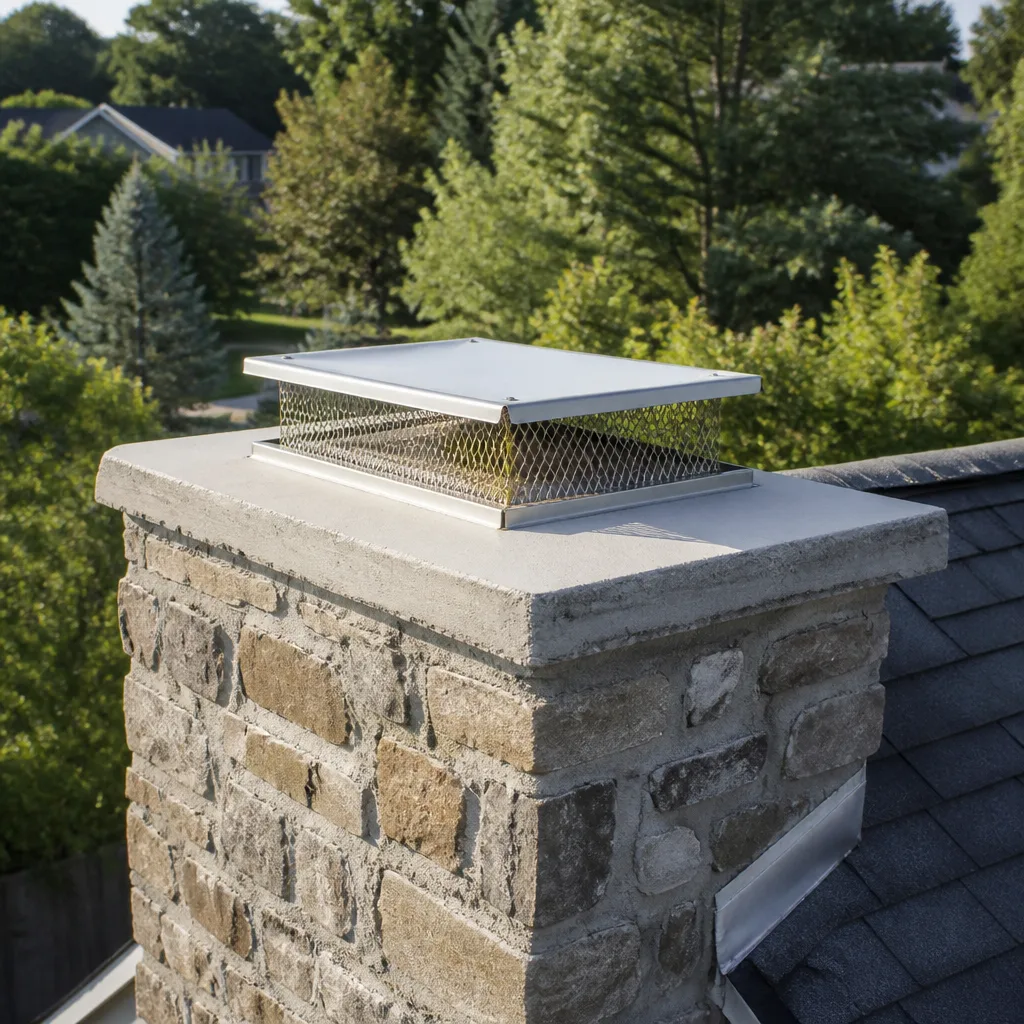
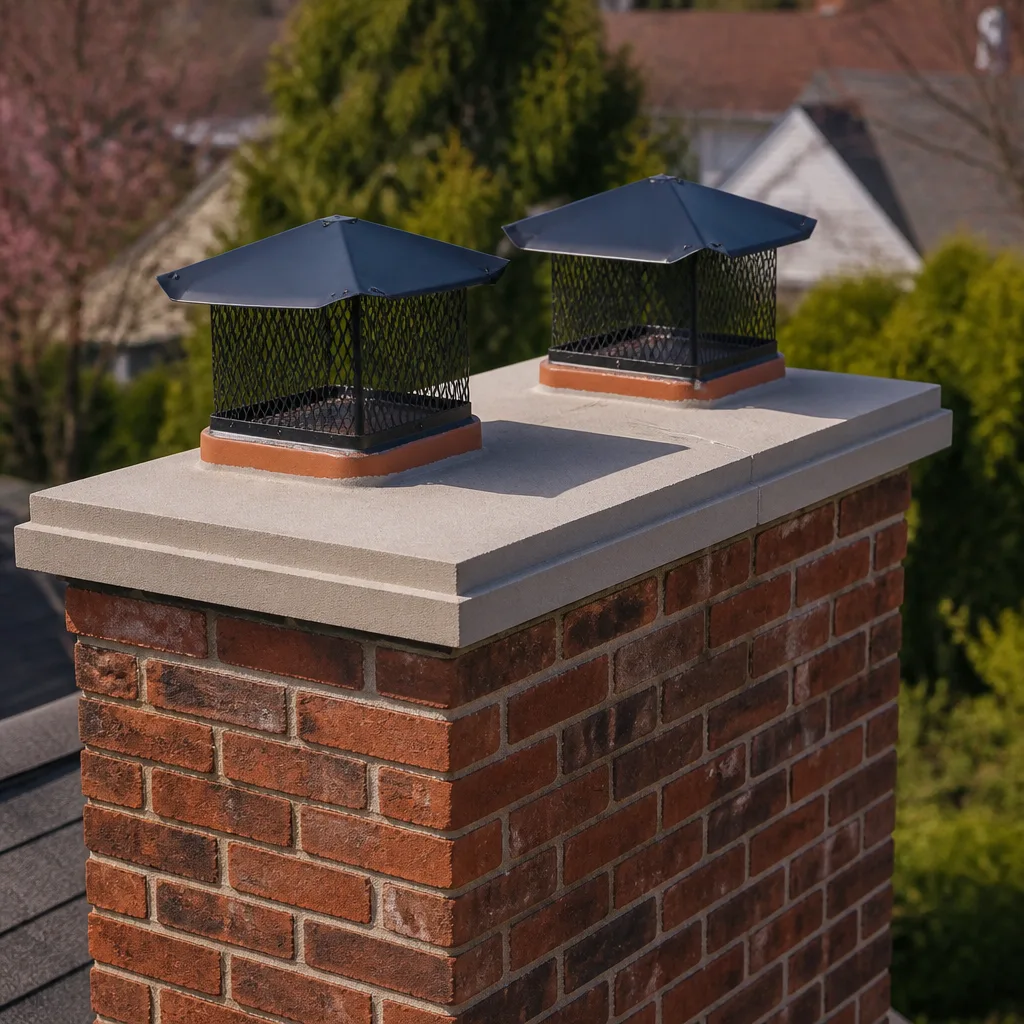
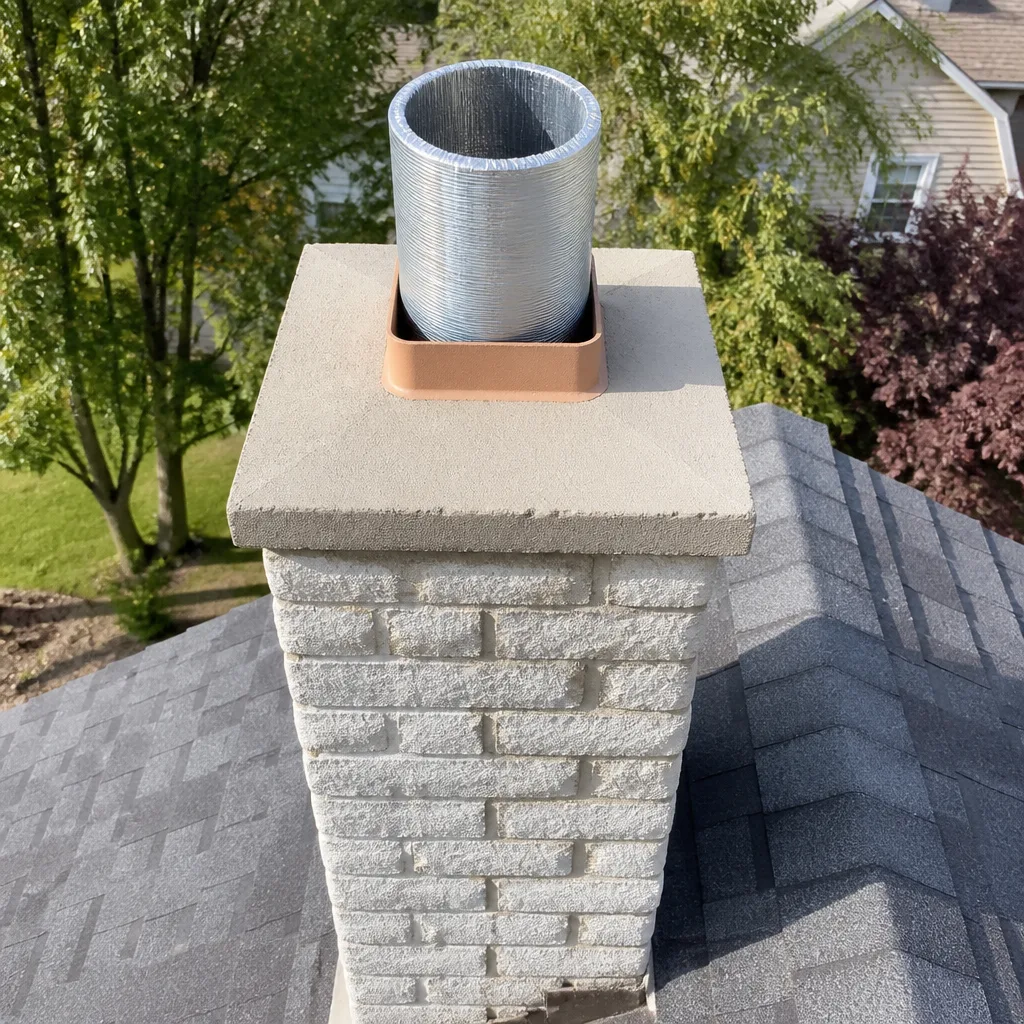
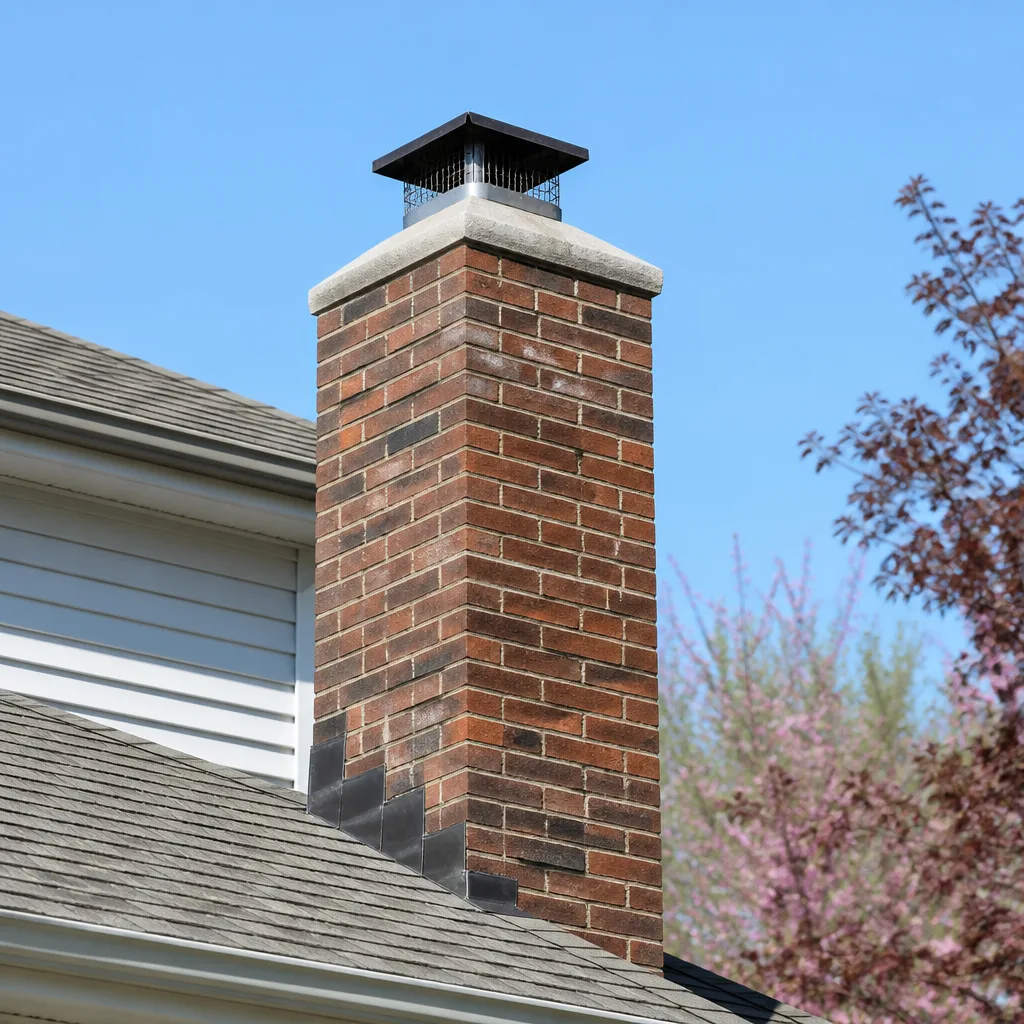
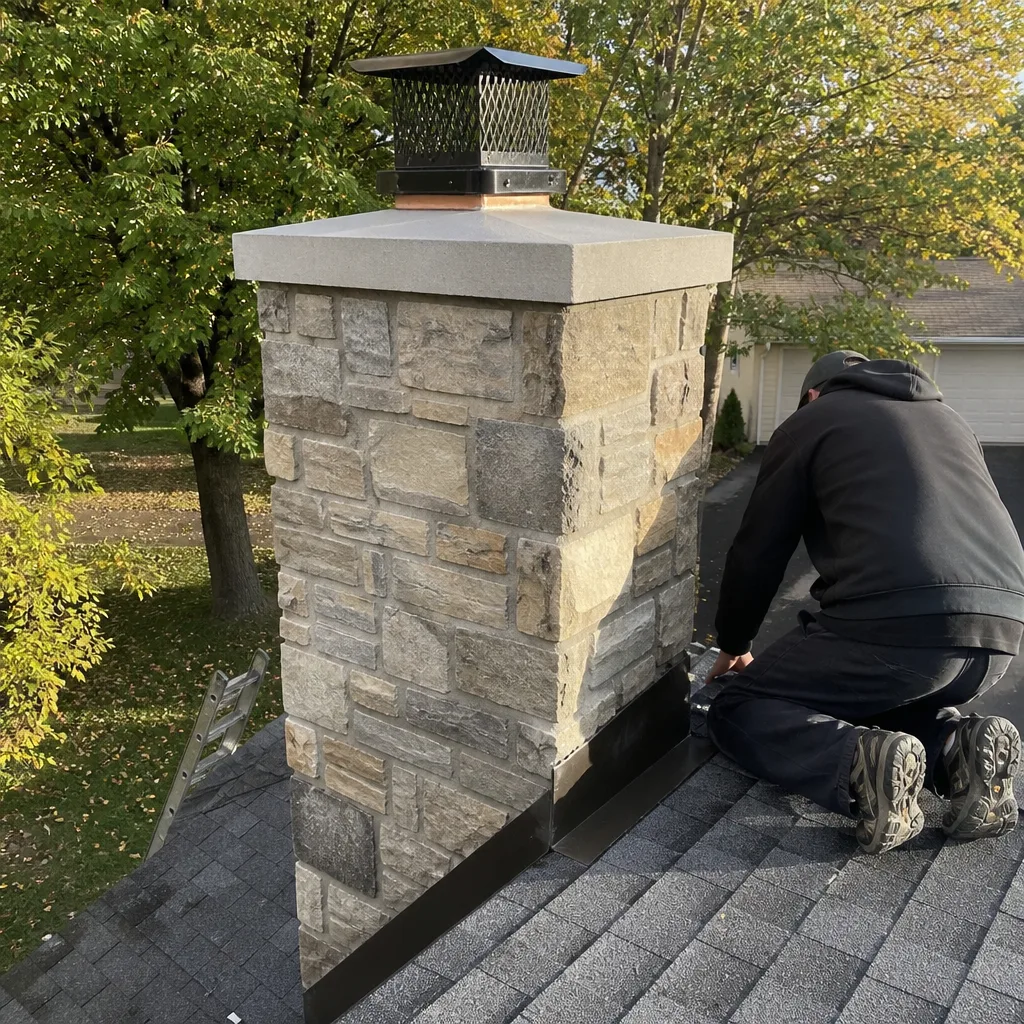
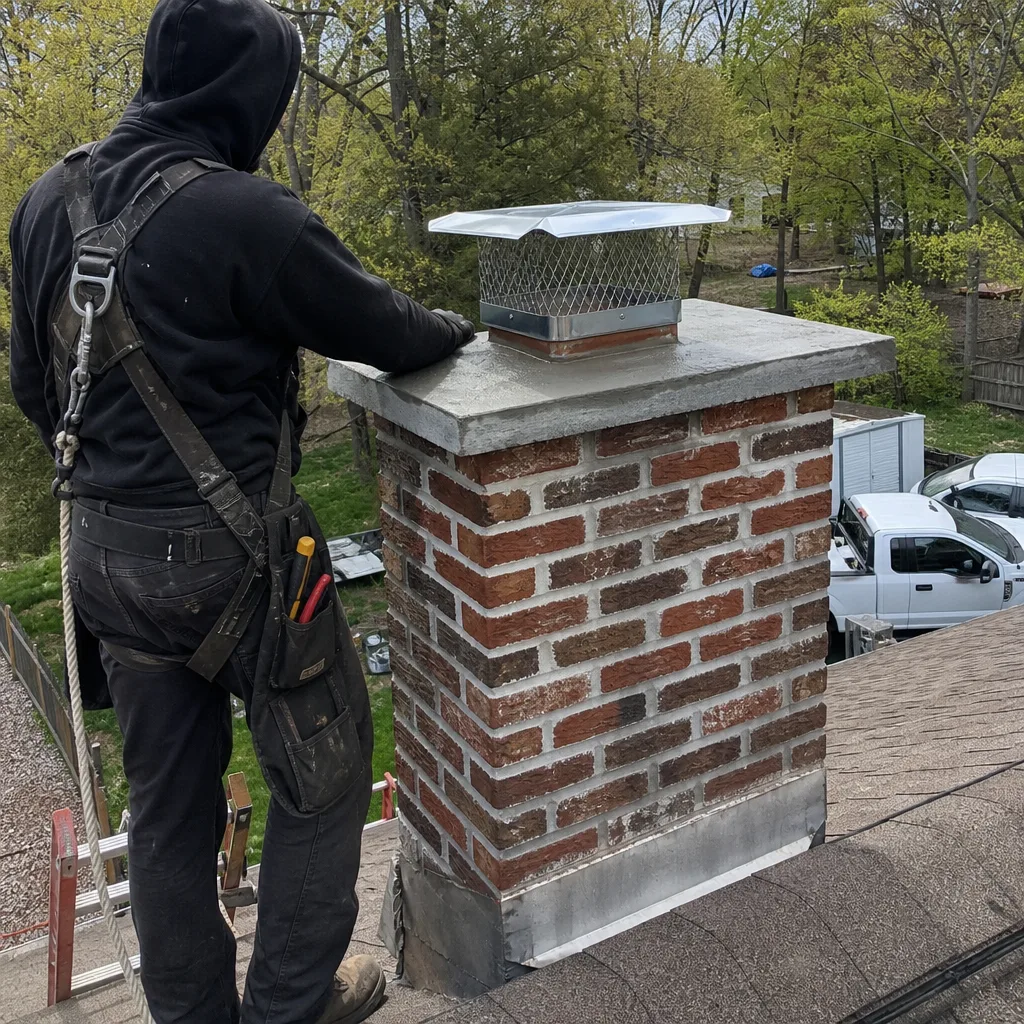
Level 1 sweep and inspection to the NFPA 211 annual standard - flue, crown, cap, and flashing checked and photographed
Chimney sweep logs do not sweep chimneys. They loosen some creosote - which then falls where a brush and vacuum still have to collect it.
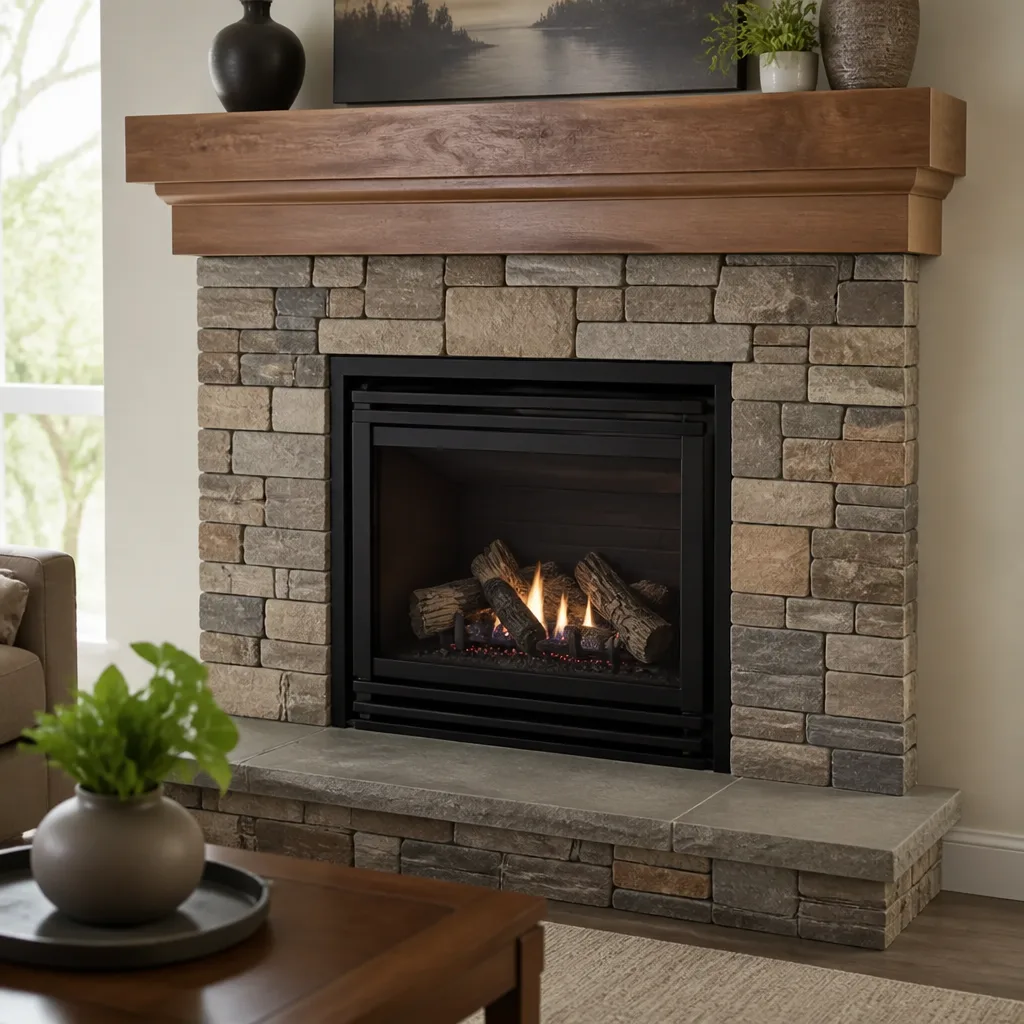
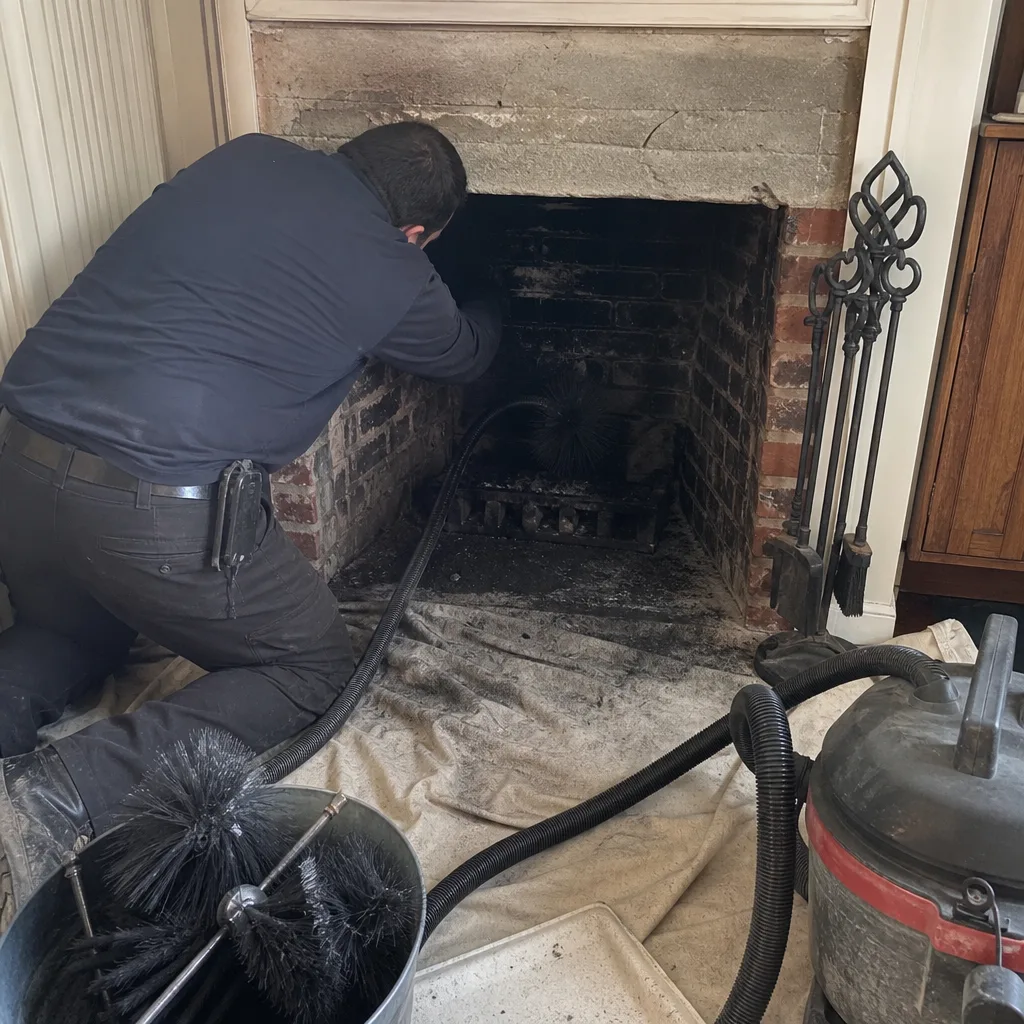 Before
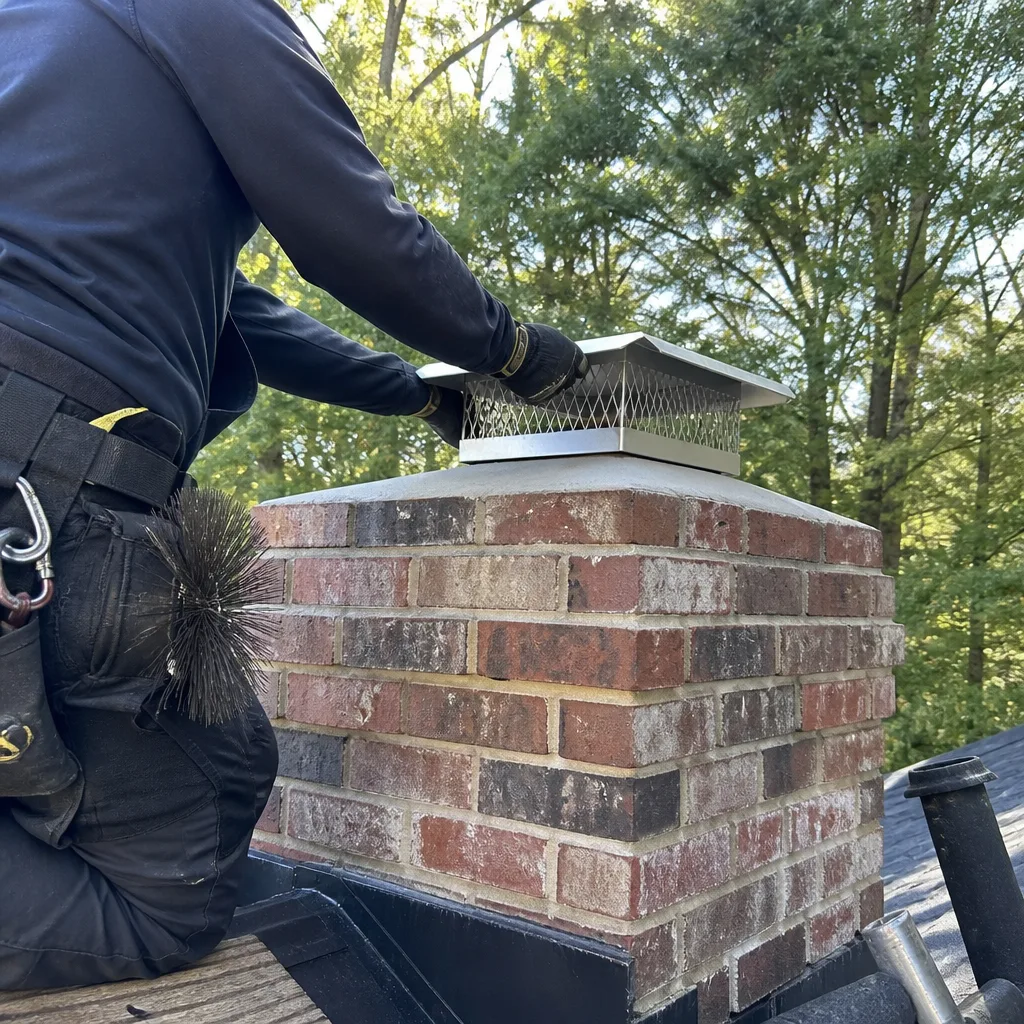 After
After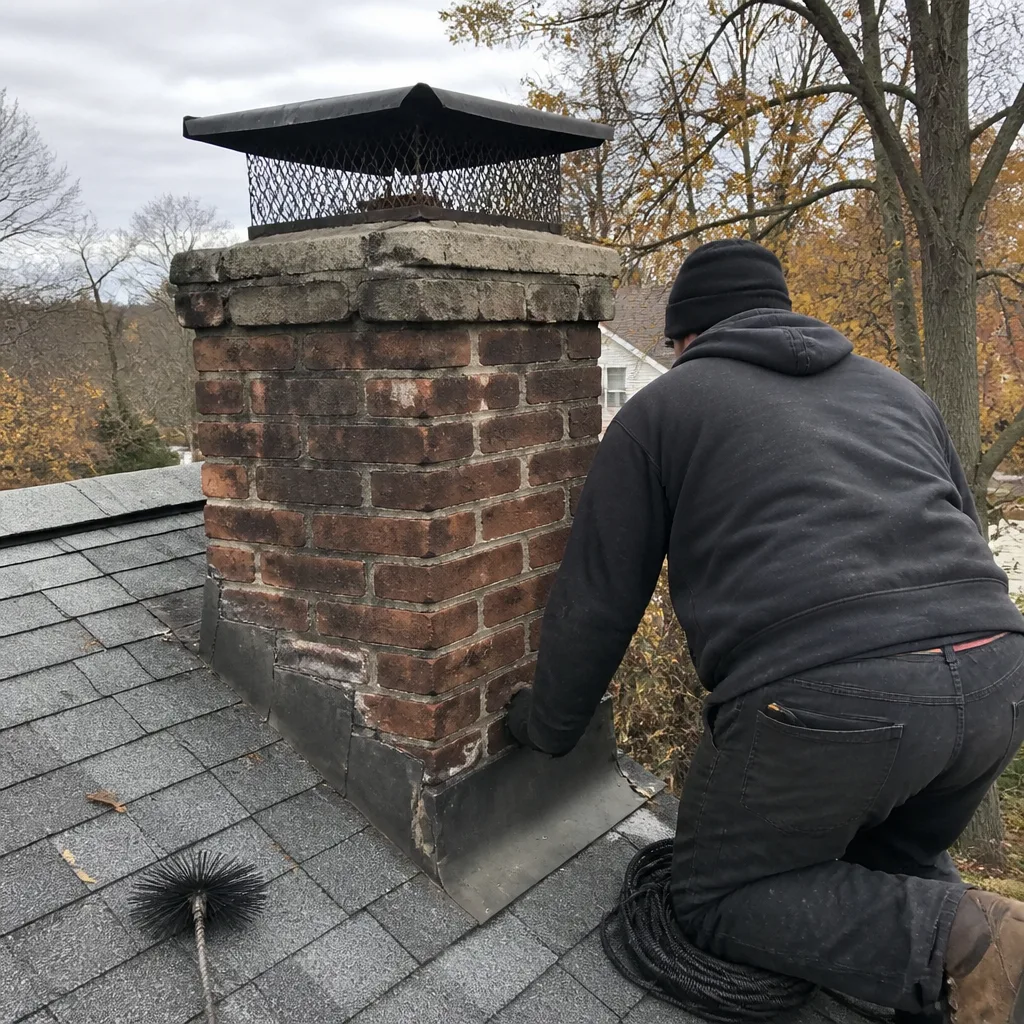 Before
 After
After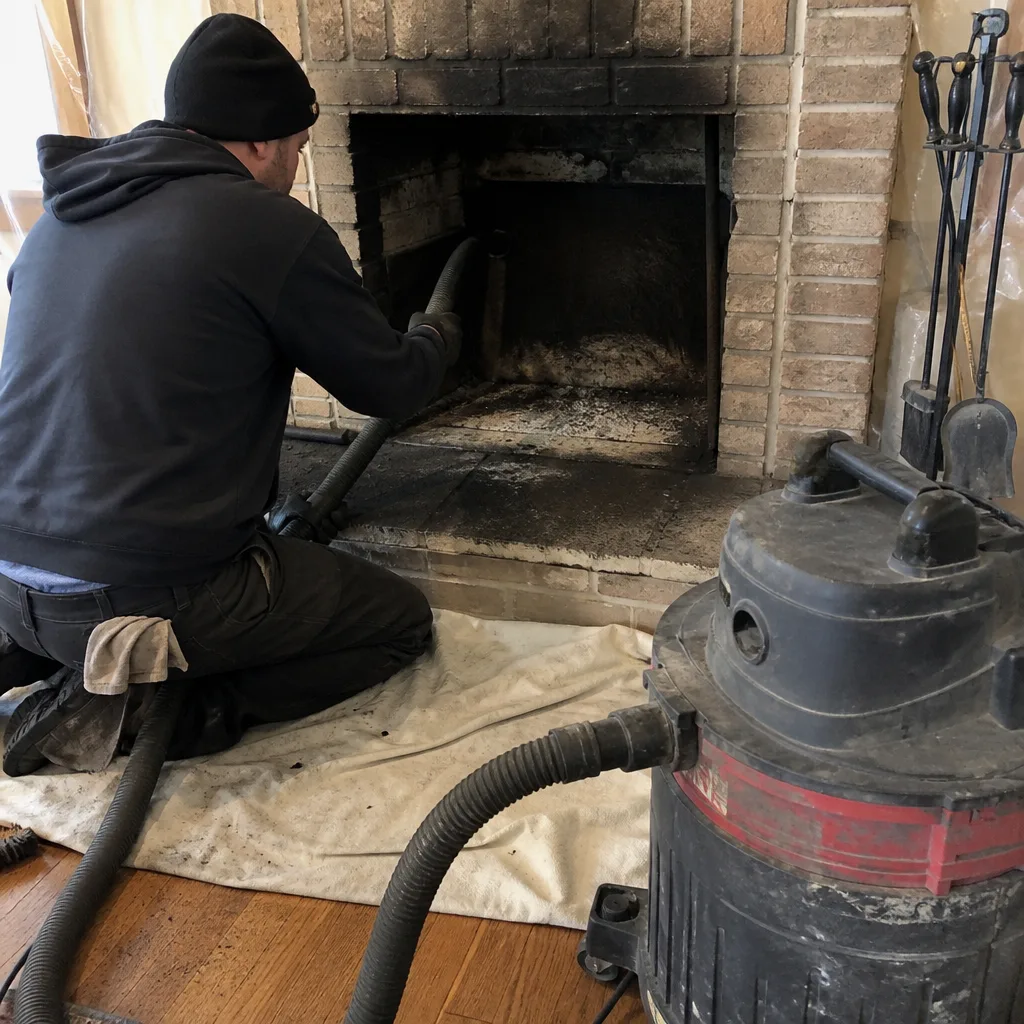 Before
 After
AfterFireplace Cleaning in Collegeville, PA
Fireplace cleaning in Collegeville typically runs between $149 and $349, depending on the size of your firebox, the level of creosote buildup in the flue, and whether a Level 1 Inspection with camera is needed to document the system’s condition. Most appointments are completed in 90 minutes or less, and you’ll have a written price before anyone picks up a brush. If you’d like to schedule or get a quote, call us at (610) 884-0366 – a live person answers every call, around the clock.
Emberly Chimney Cleaners Collegeville has been cleaning fireplaces and inspecting chimneys across Montgomery County since 2009. More than 38,000 jobs later, the process hasn’t changed: camera scan first, written price before work starts, documented photo record when we’re done. Every fireplace cleaning we do falls under our Chimney Sweep in Collegeville service umbrella, which means the same Haven Standard protections – written scope, written warranty, and our 365-Day Done Right Promise – apply to every visit.
Collegeville sits in a part of Pennsylvania where winters run long and wood-burning fireplaces get real use. Homes in Evansburg, Methacton, and along Perkiomen Creek tend to see heavier creosote accumulation than owners expect, especially when the fireplaces are burning green wood or running at low temperatures for extended periods. We’ve found Class II and Class III creosote deposits in houses where the owner thought the fireplace was “fine” because it didn’t smell, which is why our Soot Removal process includes full assessment before treatment. It often doesn’t smell until it does – and by then you’re dealing with something more expensive than a cleaning.
Corrine Halstead leads the Emberly Collegeville team. If you’d rather read about the full scope of what we do before calling, the home page has the overview.
When You Need Fireplace Cleaning
Some of the signs are obvious. Some aren’t. Here’s what tells us a Collegeville fireplace is overdue:
- Visible black or brown deposits on the firebox walls or damper. A thin gray ash layer is normal. Dark, shiny, or flaky buildup on the smoke shelf or damper plate is creosote – and creosote is what chimney fires run on. We classify it on-site: Class I is brushable, Class II requires chemical treatment, Class III means we stop and talk before anything else happens.
- Smoke backing into the room during a fire. This is often a draft problem caused by a blocked or partially obstructed flue, and cleaning is the first diagnostic step. In older Collegeville colonials and split-levels, we regularly find debris accumulation – leaves, nesting material, even a section of collapsed liner – that a flashlight-only inspection would miss entirely.
- A persistent odor when the fireplace isn’t in use. Creosote has a sharp, oily smell. If that smell is coming into your living room in July, it’s mixing with humid air pulling down the flue. The buildup is there whether you can see it or not.
- It’s been more than 12 months since the last documented cleaning. NFPA 211 recommends an annual inspection and cleaning for any fireplace in active use. “Annual” means once per heating season – not once per decade, which is what we sometimes find in homes that have changed hands recently.
- You just bought the house. Montgomery County real estate moves fast. A chimney sweep’s verbal “looks fine” at a home inspection is not a documented inspection. We’ve walked into newly purchased homes in Skippack and Trappe where the previous owners clearly hadn’t burned a fire in years – and found nesting, cracked liners, and a damper that hadn’t seated properly in a long time. Get a Level 2 camera inspection before you light the first fire.
- The firebox mortar is crumbling or the firebrick is spalling. Spalling means the face of the brick is flaking away due to moisture intrusion or heat cycling. If the firebox itself is deteriorating, cleaning alone isn’t the full answer – but it’s where the diagnostic starts, and we’ll tell you exactly what we find in writing before recommending any repair.
Our Fireplace Cleaning Process
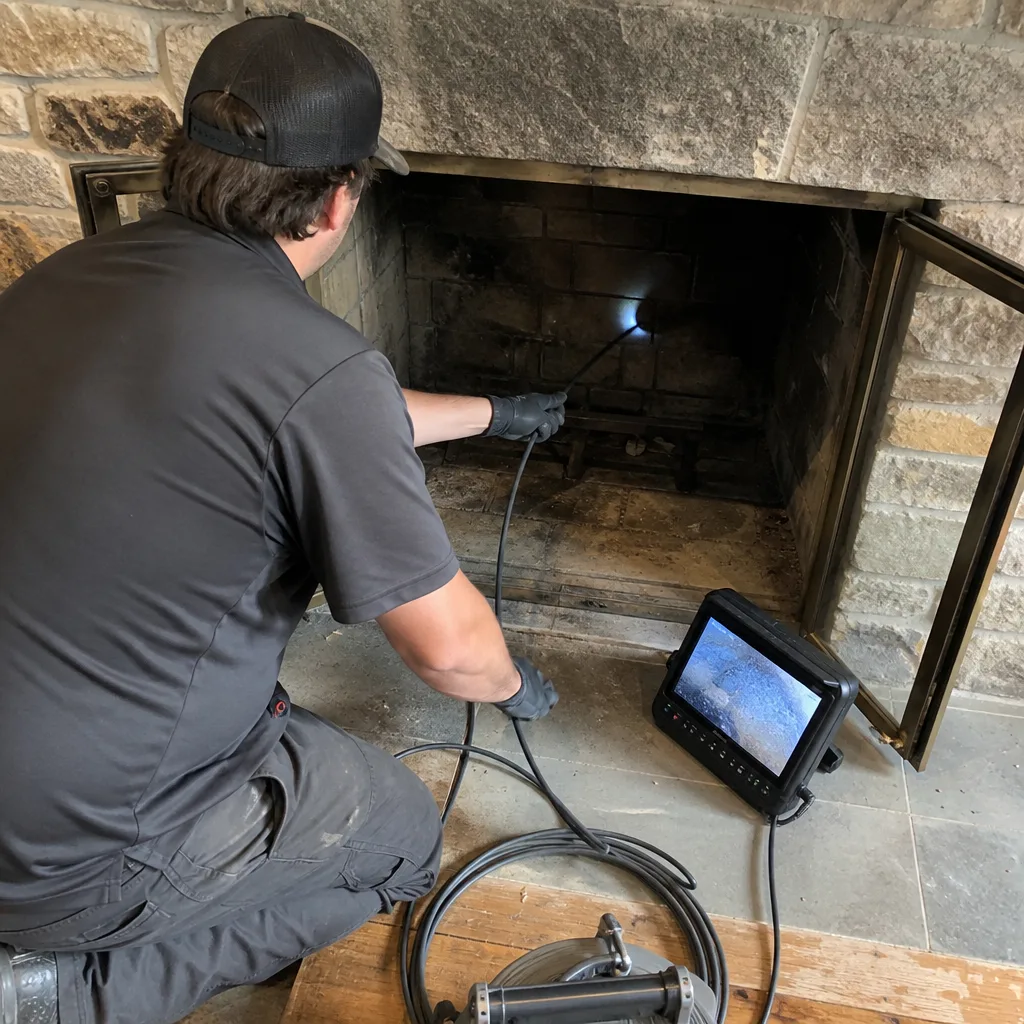
Every visit follows the same sequence. There’s no “quick sweep” option that skips steps – the steps are why the work holds up over a full heating season.
- Written price before we start. Haven Standard Clause 1 – Have it in writing. We quote the job in writing after we assess the firebox, flue diameter, and visible buildup. If the camera finds something that changes the scope, we stop and tell you before doing anything about it. The price you sign off on is the price you pay.
- Camera scan of the flue liner. We run a camera down the flue before brushing begins. This documents the liner condition (intact, cracked, or deteriorating), identifies any obstruction – nesting material, debris, or a failed tile section – and gives us a baseline that becomes part of your job record. This is a full NFPA 211 Level 2 scope scan, not a flashlight look from the firebox opening. The footage is documented as part of the photo record you receive at the end of the visit (Haven Standard Clause 4).
- Firebox and smoke chamber preparation. We lay drop cloths and use a negative-pressure HEPA vacuum system to contain ash and debris. No dust cloud in your living room. The smoke chamber – the funnel-shaped area above the damper where smoke transitions into the flue – is inspected for corbeling damage and creosote glazing. This area is often ignored because it’s hard to reach; we don’t ignore it.
- Brush cleaning of the flue and firebox. We use rod-and-brush sets sized to your exact flue dimensions and calibrated to the liner material – clay tile, stainless, or poured liner. For Class II creosote, we apply a chemical treatment to break down the glaze before brushing; rushing the brushing step on glazed deposits doesn’t remove them, it just scratches the surface.
- Firebox and damper inspection and cleanout. The firebox itself – firebrick walls, hearth, and damper assembly – is cleaned of loose ash, soot, and debris. The damper is checked for proper seating and operation. A damper that doesn’t close completely wastes heat and lets conditioned air up the flue year-round; we note its condition in the written report regardless of whether you ask.
- Documented photo record and written summary. Before we leave, you have a photo record of the flue liner condition, the smoke chamber, the damper, and the firebox walls – both before and after cleaning. The written summary names what we found, what we did, and what (if anything) we recommend for repair. If there’s nothing to repair, we say that too.
BeforeAfterFireplace Cleaning Pricing in Collegeville
Fireplace cleaning in Collegeville runs $149 to $349 for the large majority of residential jobs. Here’s what puts a job at the lower or higher end of that range:
| Service | Typical Price Range |
|---|---|
| Standard fireplace cleaning (Class I creosote, single flue, camera inspection included) | $149 – $229 |
| Fireplace cleaning with Class II creosote treatment | $229 – $299 |
| Fireplace cleaning with heavy buildup, smoke chamber restoration, or complex liner condition | $299 – $349+ |
| Free Second Opinion on any written estimate from another company | $0 |
A few things that affect where your job lands:
- Creosote class. Class I deposits are brushable and add no cost above a standard cleaning. Class II deposits – partially hardened, tar-like buildup that’s often the result of smoldering fires – require chemical treatment before brushing and take more time. Class III is shiny, dense glazing that sometimes means the job scope changes significantly; we’ve seen it in Collegeville homes where the fireplace was burning unseasoned wood from lots along Route 29 and Skippack Pike for multiple seasons without a cleaning.
- Flue height and configuration. A straight, single-story flue is faster to work than a two-story flue with an offset. Homes along Evansburg Road and some of the older parcels near Perkiomen Valley tend to have taller, older flue configurations that take longer to clean properly.
- Smoke chamber condition. If the smoke chamber has significant creosote pargeing or corbeling damage, that’s work beyond standard cleaning – and we’ll quote it separately in writing before touching it.
We don’t do “call for a quote.” The written price is on the table before anyone starts working in your home. That’s not a marketing line; it’s Haven Standard Clause 1, and it’s been how we operate since 2009.
If you’ve already received a written estimate from another Collegeville chimney company, bring it to us. Our Free Second Opinion is exactly that: we’ll give you our documented assessment and a written price, and you decide who to hire.
FAQs – Fireplace Cleaning
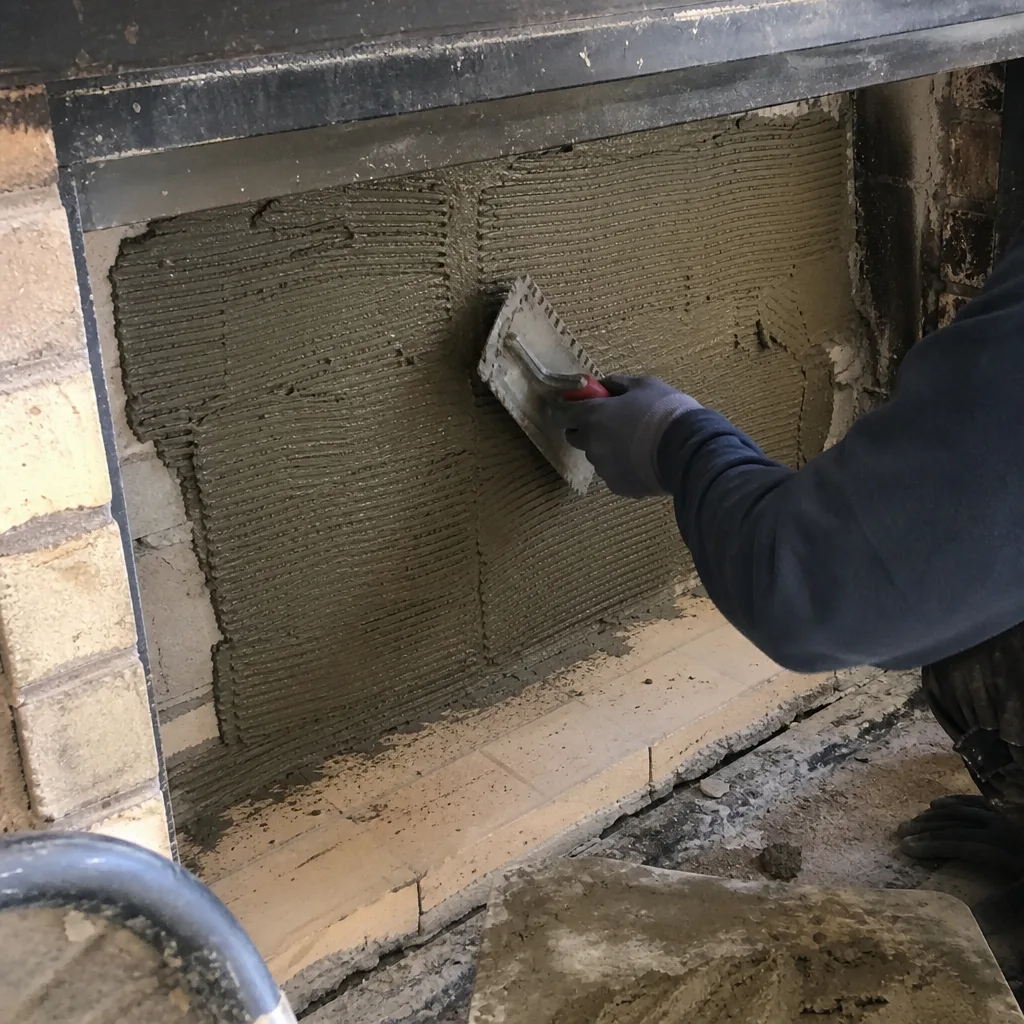
How often should I have my fireplace cleaned in Collegeville?
You should have your fireplace cleaned at least once a year if you burn wood regularly – typically before or just after each heating season. NFPA 211 sets the standard at annual our Chimney Sweep services for wood-burning fireplaces in active use. In Collegeville, where winters run from late October through March, that means a lot of fire hours per season, and creosote accumulates faster than most people expect. If you’re burning less frequently – a few fires a month – you might stretch to every two years, but only after a camera inspection confirms the liner and smoke chamber are in good condition. Call (610) 884-0366 and we’ll tell you exactly where you stand after the camera comes back up.
What’s the difference between a fireplace cleaning and a chimney sweep?
Fireplace cleaning focuses on the firebox, smoke shelf, damper, and the lower portion of the flue directly above the firebox opening – the parts most directly affected by burning wood. A chimney sweep covers the full flue system from firebox to cap, including the liner, crown, and chimney exterior. In practice, Emberly Collegeville doesn’t clean just one section in isolation; our process runs a camera scan of the full flue on every visit, so if there’s a problem at the top of the system we find it during a fireplace cleaning appointment, not six months later when you call about a draft issue. The two services are related – fireplace cleaning is part of the broader Chimney Sweep in Collegeville work we do – and they’re quoted and documented together.
Is fireplace cleaning something I can do myself?
You can remove loose ash from the firebox yourself, and you should do that regularly throughout the burning season. But cleaning creosote deposits from the flue liner and smoke chamber is a different task – it requires the right brush diameter for your specific flue, knowledge of what creosote class you’re dealing with, and a camera to confirm the work was effective and that the liner is intact. A wire brush run through the wrong size flue can score a clay tile liner. More to the point, Class II and Class III creosote require chemical treatment before brushing; without that step, you’re moving the surface of the deposit without addressing what’s underneath. High-creosote chimney interiors are also a fire and carbon monoxide risk during the cleaning process itself. We’d rather you called us – it’s a couple hundred dollars and a morning, and you leave with a documented photo record showing exactly what was found and what was done.
What does Emberly Chimney Cleaners Collegeville include in a fireplace cleaning appointment?
Every fireplace cleaning appointment includes a written price before work starts, a camera scan of the full flue liner, brush cleaning of the flue and firebox interior, a Level 2 Inspection of the smoke chamber, damper inspection and cleanout, HEPA-vacuum containment so there’s no dust in the living space, and a documented photo record of liner condition, smoke chamber, and firebox delivered to you at the end of the visit. The 365-Day Done Right Promise is stamped on every job: if anything we did isn’t right within a year of the visit, we make it right at no charge. Corrine Halstead’s name is on every job that leaves this company, and that’s the standard we hold ourselves to.
Key Takeaways
- Fireplace cleaning in Collegeville runs $149 to $349 for most residential jobs – written price before work starts, no exceptions.
- Every visit includes a full camera scan of the flue liner and a documented photo record at completion (Haven Standard Clause 4).
- NFPA 211 recommends annual inspection and cleaning for wood-burning fireplaces in active use – once per heating season, not once per decade.
- Creosote class (I, II, or III) is the biggest factor in cost and scope; we classify it on-site and explain what it means in plain terms.
- The 365-Day Done Right Promise applies to every fireplace cleaning – if it’s not done right, we make it right.
- If you have a written estimate from another Collegeville company, bring it to us. The Free Second Opinion costs nothing.
Schedule Your Fireplace Cleaning in Collegeville
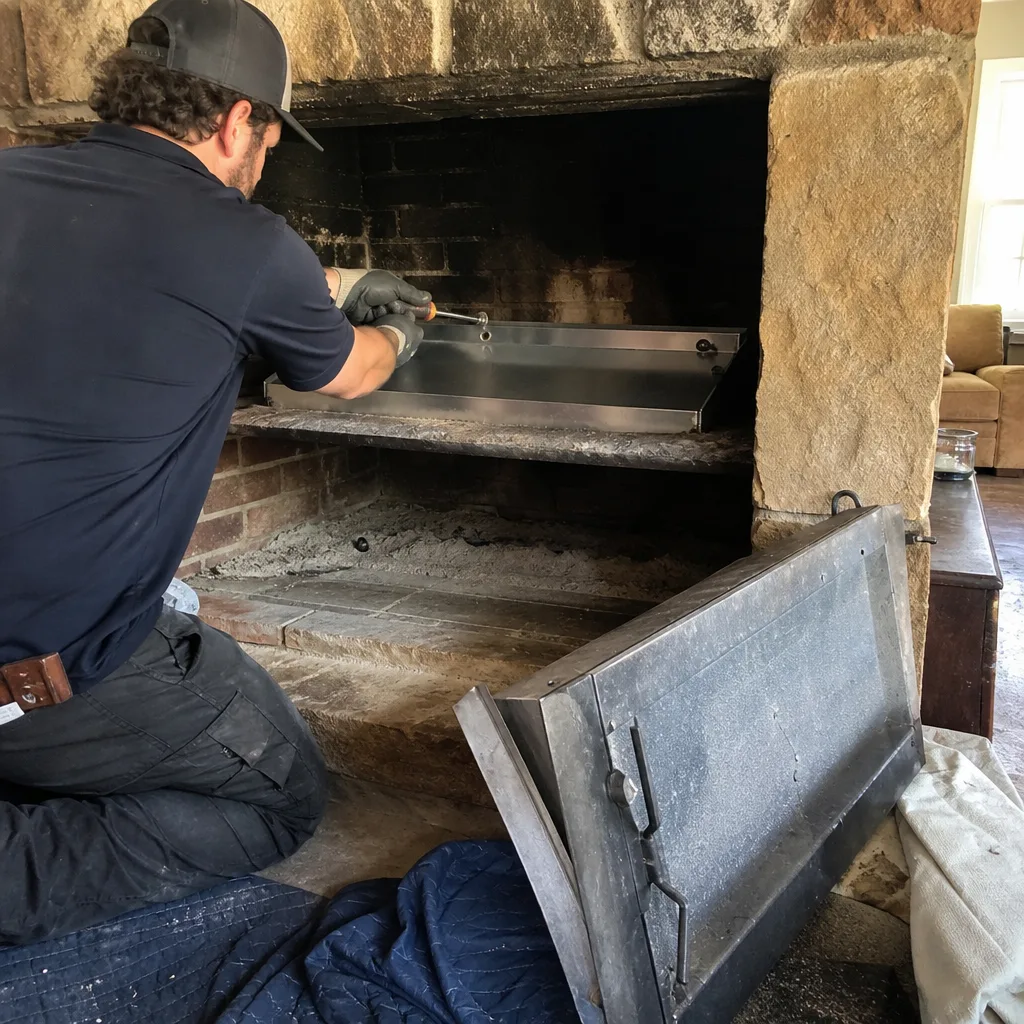
If your fireplace is due for a cleaning – or if you’ve just moved into a home in Collegeville and want to know what you’re working with before the first fire – call us at (610) 884-0366. A live person picks up every call, day or night. We’ll give you a written price before anyone starts, document everything we find, and leave you with a photo record you can keep for your files. That’s been the standard at Emberly Chimney Cleaners Collegeville since 2009, and it hasn’t changed.
Written by Corrine Halstead, Owner at Emberly Chimney Cleaners Collegeville, serving Collegeville.