
Last updated September 22, 2026
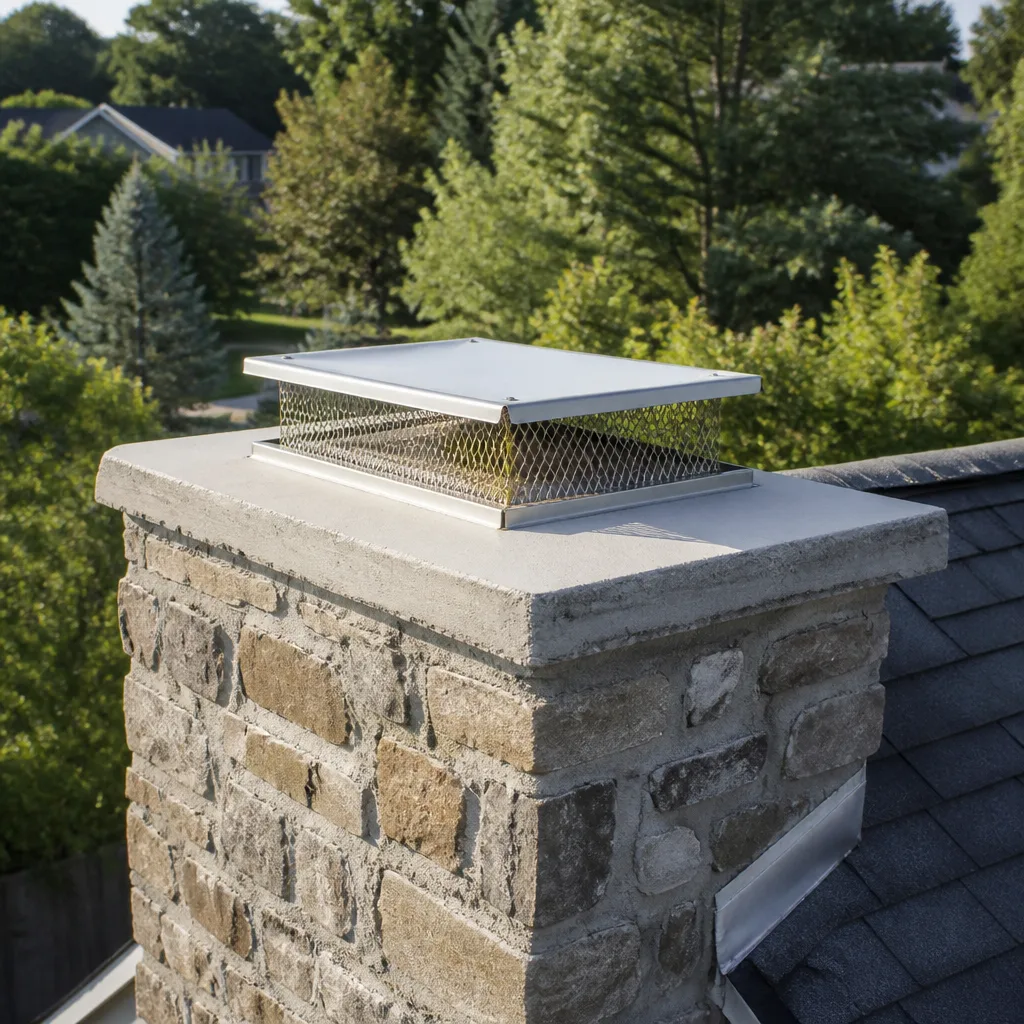
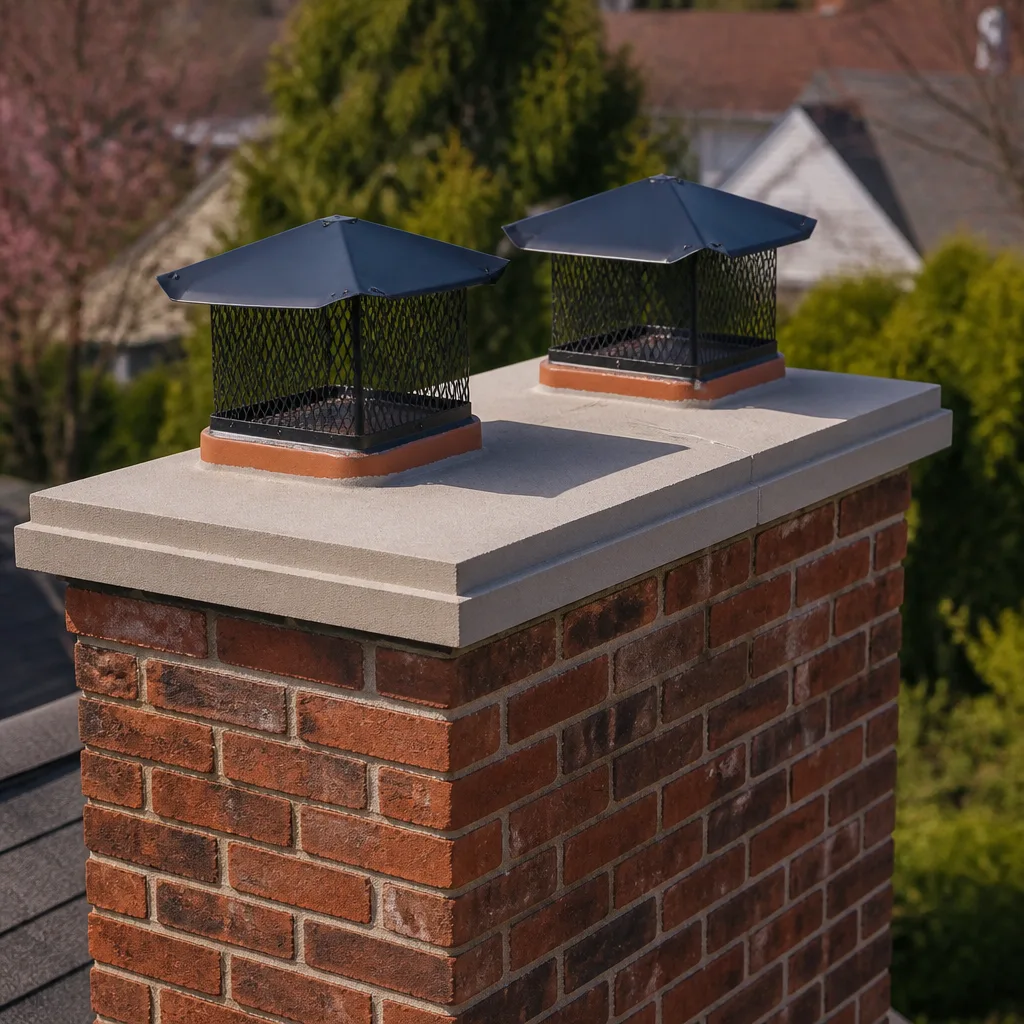
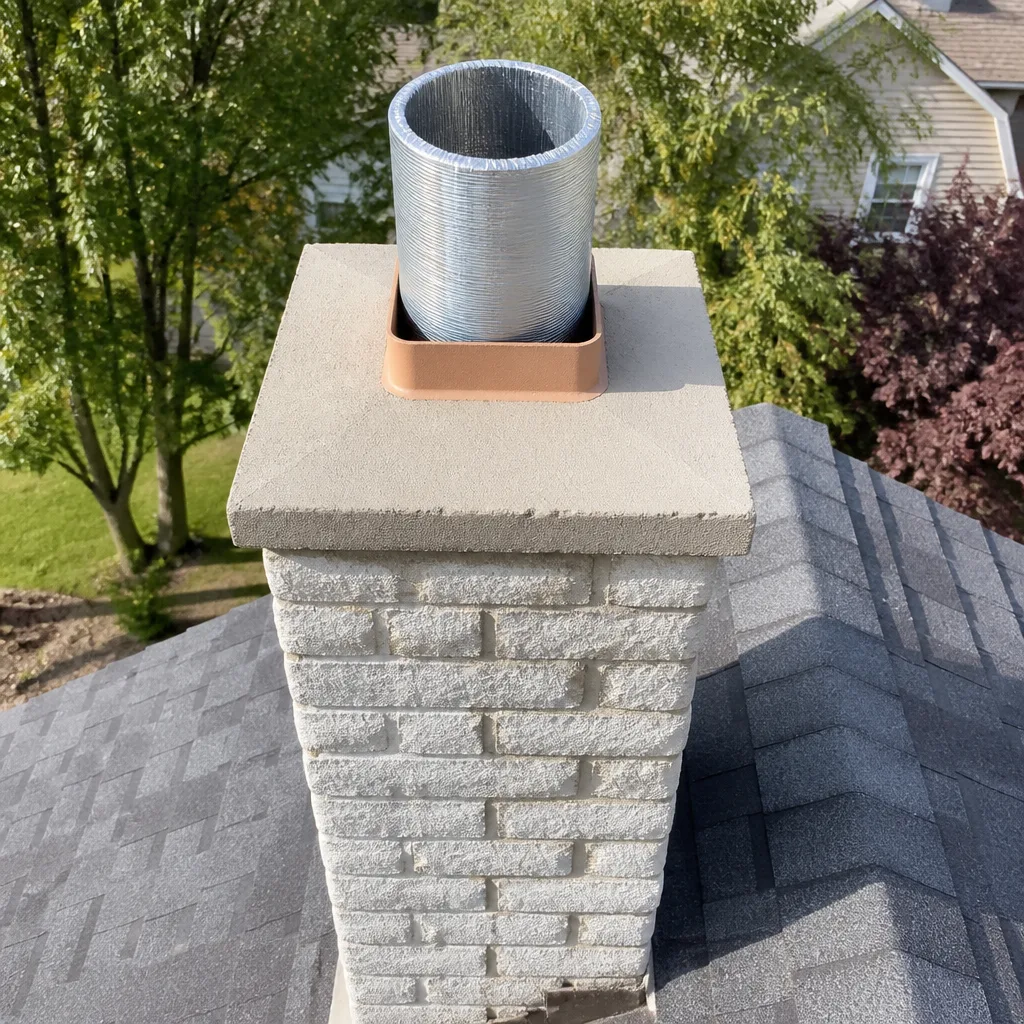
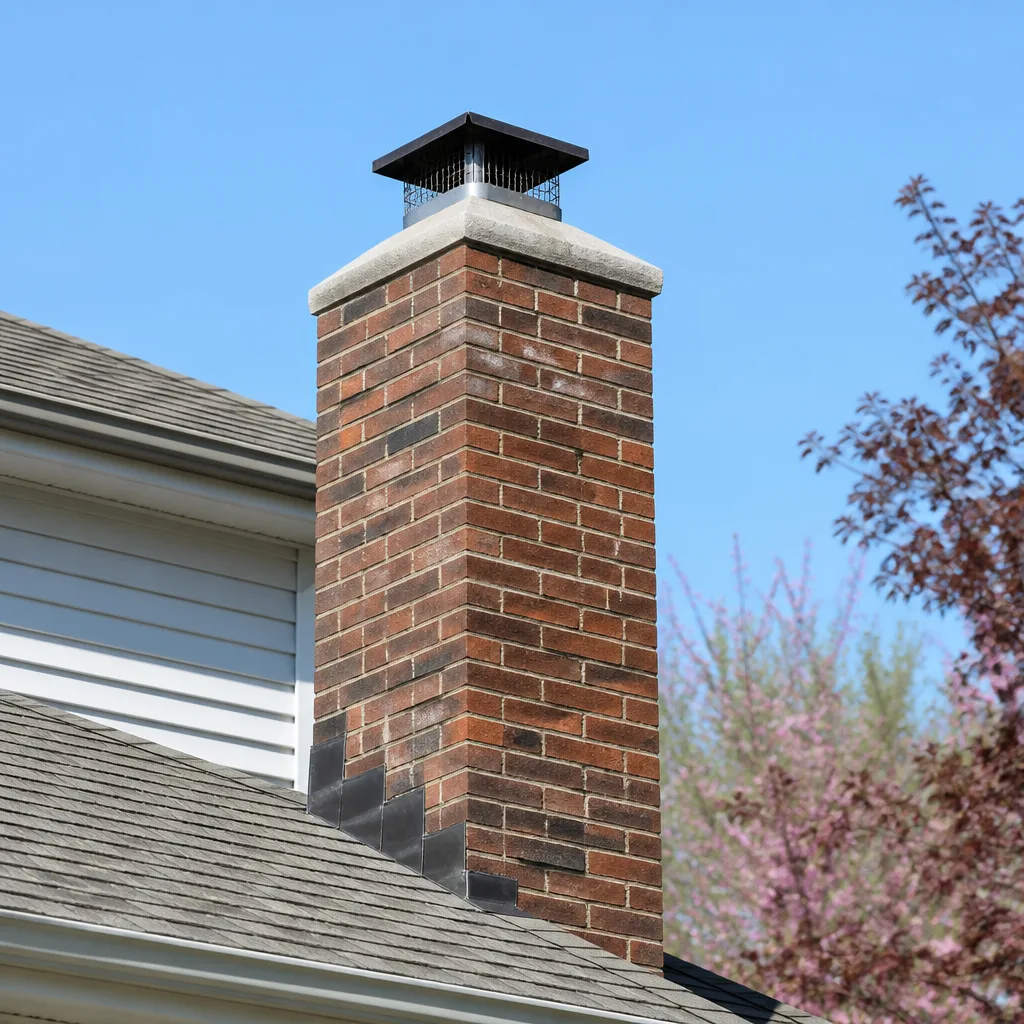
Level 1 sweep and inspection to the NFPA 211 annual standard - flue, crown, cap, and flashing checked and photographed
Chimney sweep logs do not sweep chimneys. They loosen some creosote - which then falls where a brush and vacuum still have to collect it.
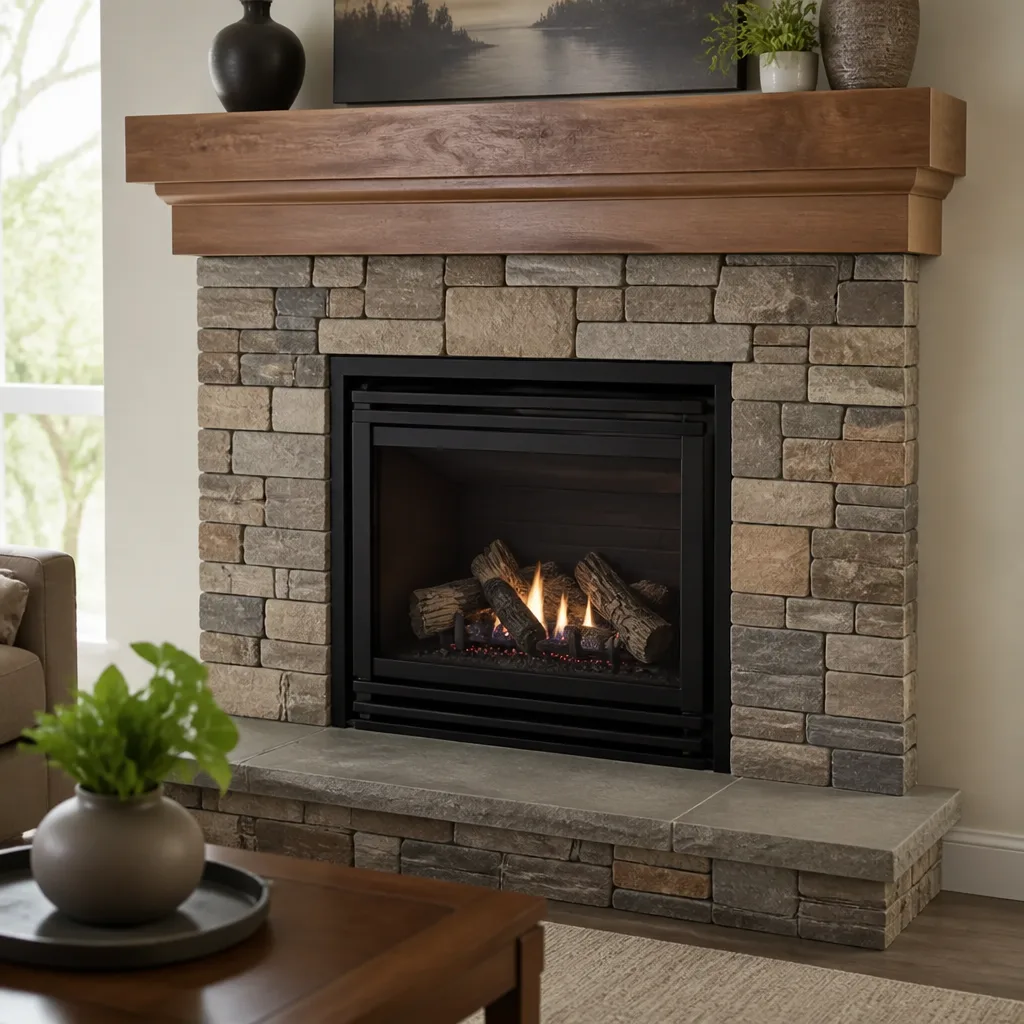
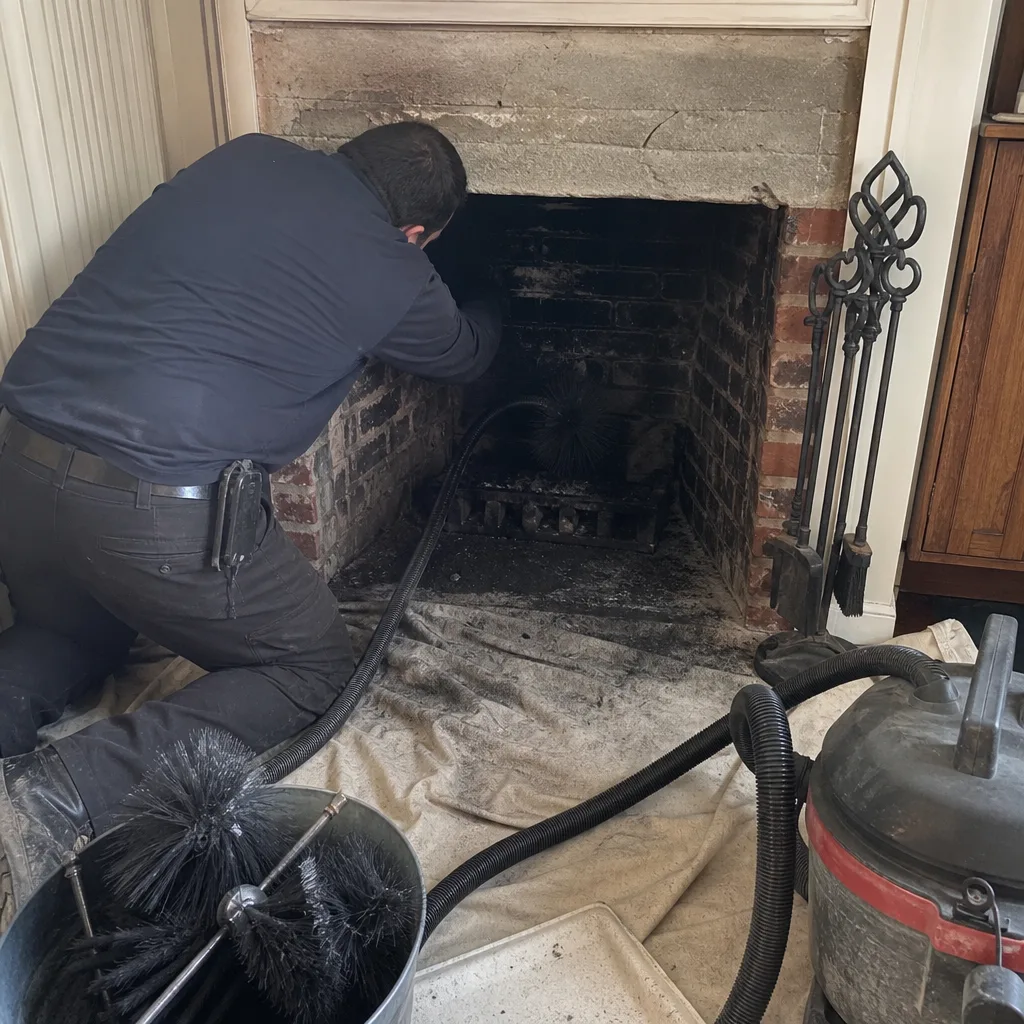 Before
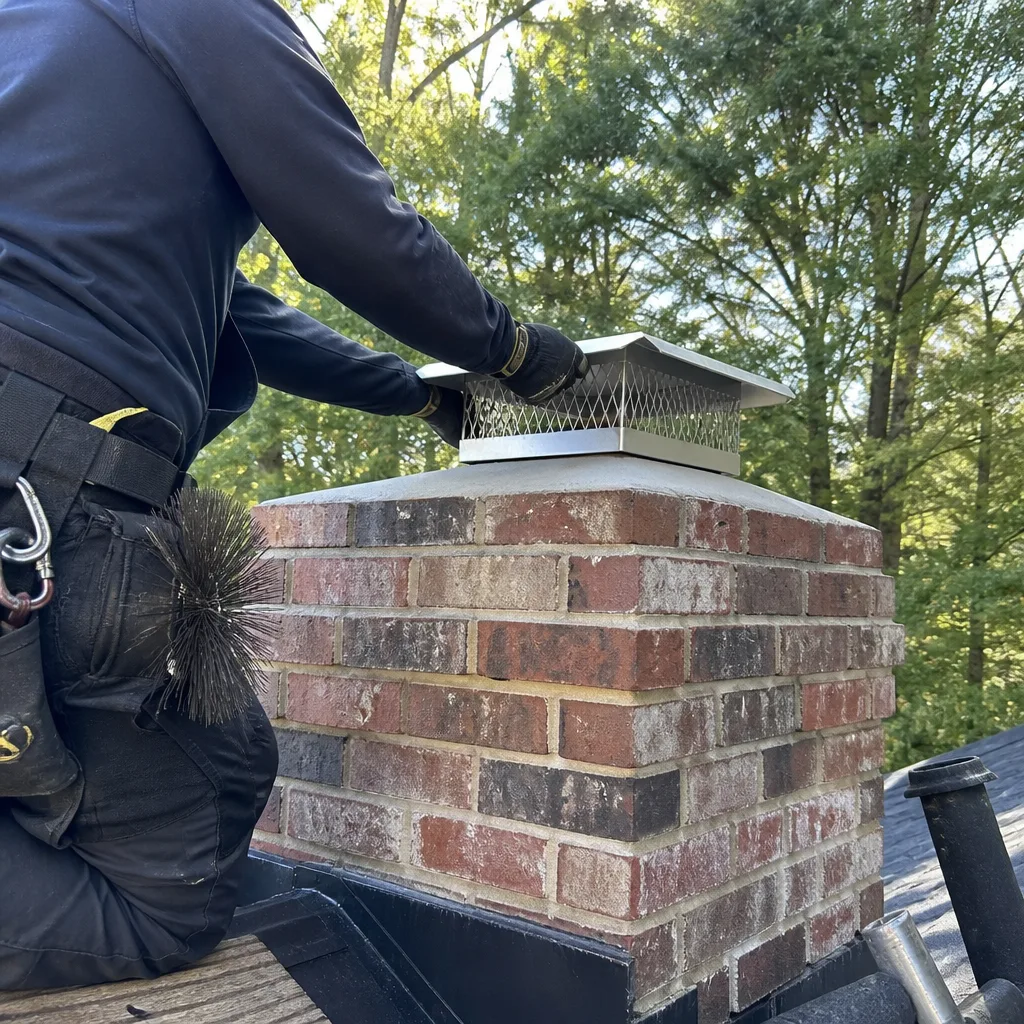 After
After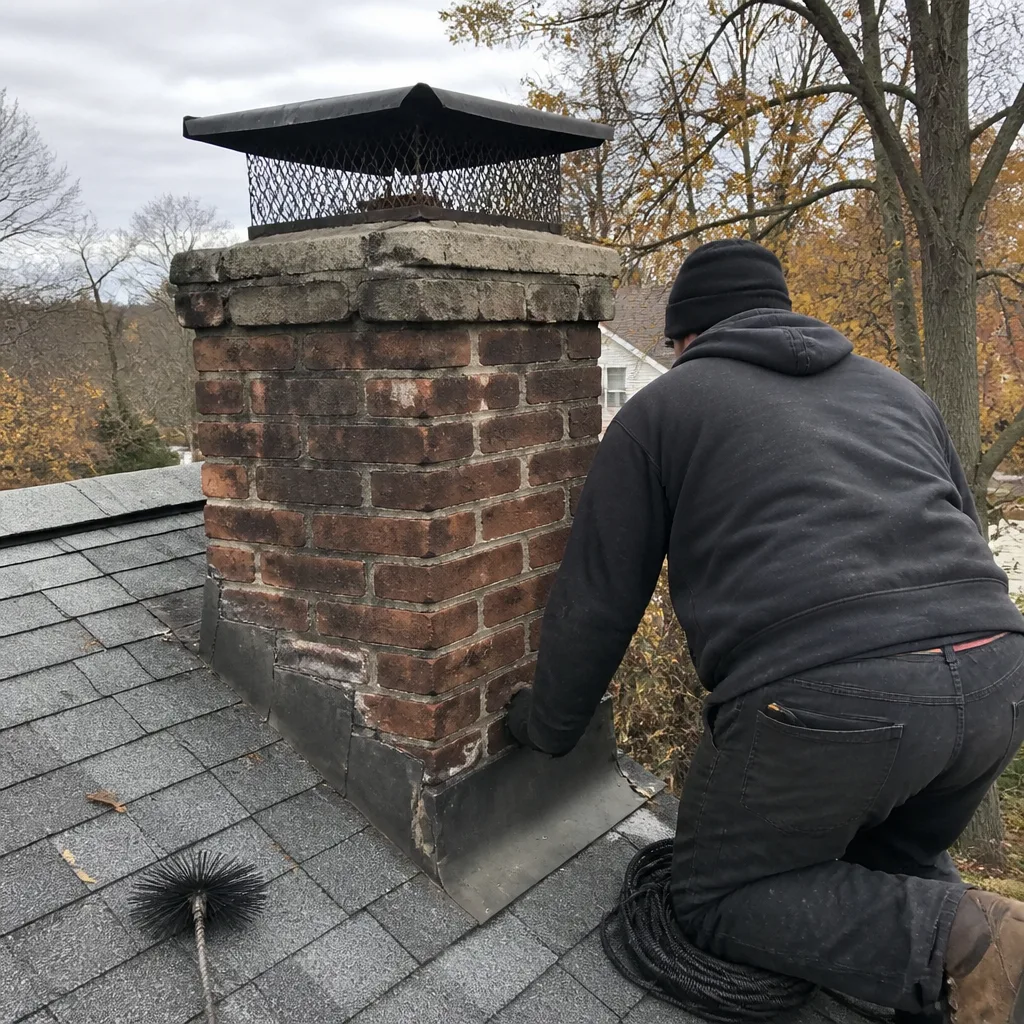 Before
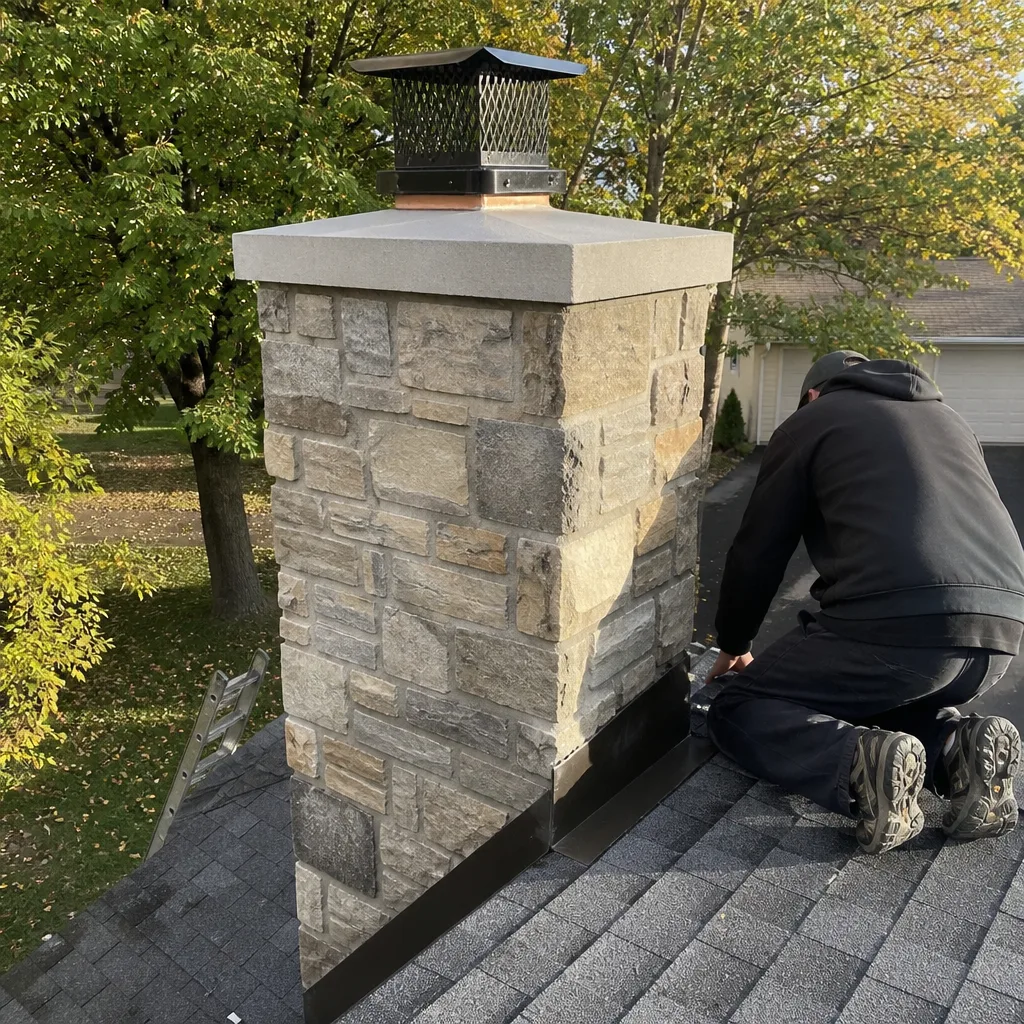 After
After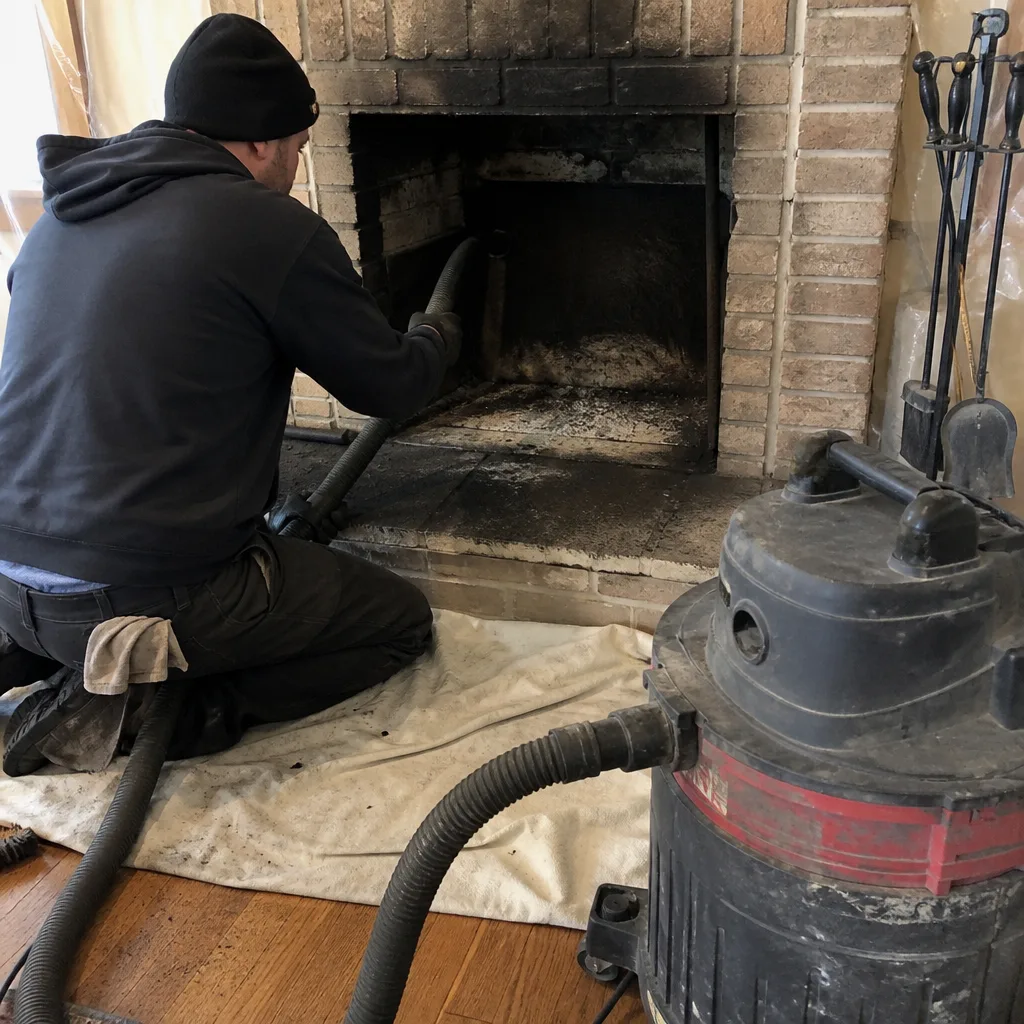 Before
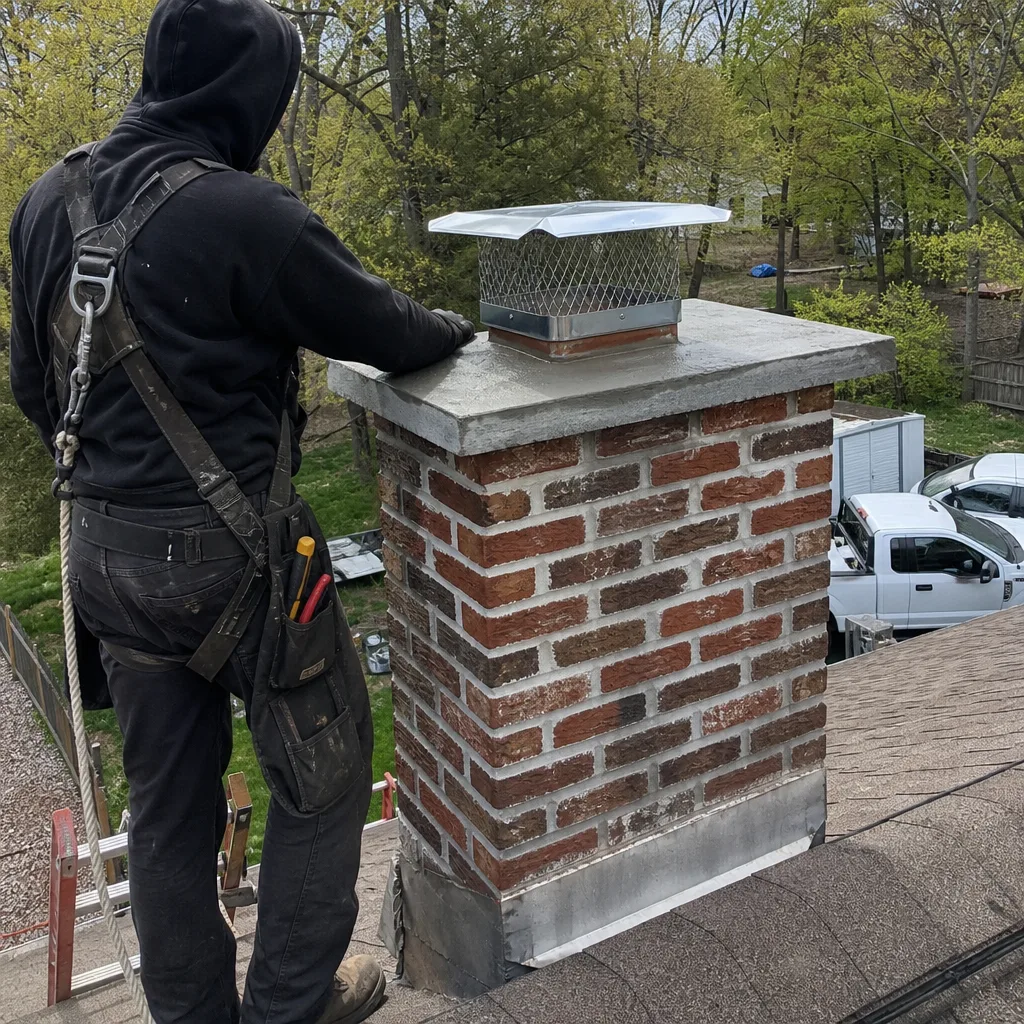 After
AfterChimney Cleaning Permits, Codes & Inspections in PA: What You Need to Know
No permit is required to sweep a chimney in Pennsylvania. But the liner replacement, damper swap, or crown rebuild that cleaning reveals? That’s a different answer - and it depends on your township, not just the state. In Collegeville and across Montgomery County, we’ve completed more than 38,000 chimney inspections since 2009, and the single most expensive surprise homeowners face is discovering that the “simple cleaning” they postponed has uncovered work that now needs permits, inspections, and documented compliance before they can close a sale or renew an insurance policy. Our Complete Guide to Chimney Cleaning in Collegeville draws the exact line between cleaning, repair, and permitted alteration under PA and Montgomery County rules - so you know what’s coming before the camera goes down the flue.
Quick Answer
Chimney cleaning (sweeping) does not require a permit anywhere in Pennsylvania. However, liner replacement, structural repair, fireplace insert installation, and most crown or damper work trigger building permit requirements under the PA Uniform Construction Code (UCC) and local township amendments. A Level 2 camera inspection with documented photo record satisfies both NFPA 211 standards and most insurer documentation requirements without a separate visit.
Table of Contents
- PA UCC and NFPA 211: What the State Code Actually Says
- Montgomery County Permit Triggers: When Cleaning Uncovers Bigger Work
- How a Level 2 Camera Inspection Satisfies Insurer Requirements
- What ‘Code-Compliant’ Means on Your Chimney Cleaning Invoice
- The Paper Trail That Satisfies a PA Real Estate Attorney at Closing
- Collegeville-Specific Considerations: Climate, Codes, and Common Finds
- Common Mistakes to Avoid
- When to Call a Professional
- Frequently Asked Questions
- The Bottom Line
BeforeAfterPA UCC and NFPA 211: What the State Code Actually Says
Pennsylvania adopted the Uniform Construction Code (UCC) in 2004, making the International Residential Code (IRC) and International Building Code (IBC) the baseline for all construction and alteration work statewide. The UCC does not regulate chimney cleaning as an activity. Sweeping a flue - removing soot, creosote, and debris - is maintenance, not construction. No permit, no inspection, no code official involvement.
Where the UCC enters the picture is in the definition of “repair” versus “alteration.” Under IRC Chapter 10 and the UCC’s adopted language, replacing a flue liner, modifying a firebox, installing a new appliance connection, or rebuilding a crown constitutes alteration or repair of a building component. That triggers permit requirements at the township level.
NFPA 211, the Standard for Chimneys, Fireplaces, Vents, and Solid Fuel-Burning Appliances, is referenced by the UCC and adopted by reference in most Pennsylvania municipalities. Here’s what actually matters for homeowners:
- NFPA 211 Section 14.2 requires annual inspection of chimneys, vents, and solid fuel-burning appliances. “Inspection” is the operative word - not cleaning. The standard mandates that inspection determine “the condition of the chimney, flue, and appliance connection” and whether cleaning is needed.
- NFPA 211 Section 14.3 defines three inspection levels. Level 1 is a visual inspection of accessible portions. Level 2 includes a camera scan of the flue interior, accessible attics, and basements - required at sale or transfer of property, after chimney fire or lightning strike, or when any alteration is made. Level 3 involves demolition of building components and is rare.
- NFPA 211 Section 14.4 states that cleaning shall be performed when inspection reveals “deposits that could ignite or obstruct normal draft.”
The gap most homeowners miss: NFPA 211 requires inspection before cleaning, and the inspection standard (Level 2 in most relevant scenarios) produces documentation that becomes your compliance record. A sweep who cleans without inspecting, or inspects without documenting, has not met the standard the UCC references - even if the flue ends up clean. For Chimney Cleaning Warning Signs every Collegeville homeowner should know, documentation gaps are often the first red flag.
We’ve been performing camera-scan Level 2 inspections as our default since 2009, years before insurers or regulators in Pennsylvania began requesting documentation. That practice became Clause 4 of the Haven Standard: a documented photo record on every visit, included as standard, not an optional add-on. When a Lower Providence homeowner’s insurance adjuster requested flue condition documentation after a neighbor’s chimney fire, the photos from their routine cleaning six months earlier satisfied the requirement without a second visit.
Montgomery County Permit Triggers: When Cleaning Uncovers Bigger Work
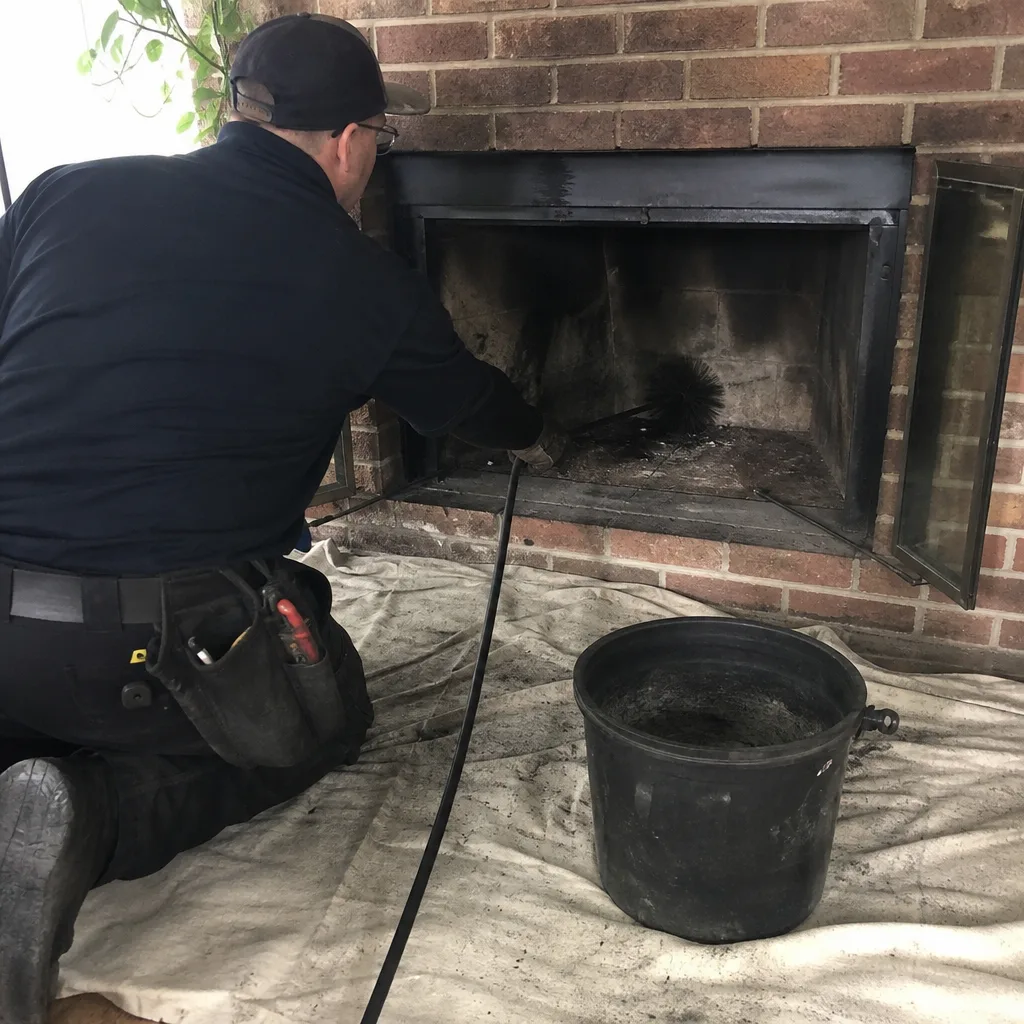
Montgomery County operates under the PA UCC with local amendments administered by township building departments. The county does not have a unified chimney permit process - Perkiomen Township, Upper Providence, Limerick, and Skippack each issue permits through their own code officials, with varying fee schedules and inspection timelines.
Here is what triggers a building permit in Montgomery County townships, based on our permit pull records and direct coordination with local code officials:
| Work Type | Permit Required? | Typical Township Fee Range | Inspection Required? |
|---|---|---|---|
| Chimney sweep / cleaning | No | N/A | No |
| Cap replacement (like-for-like) | Usually no | N/A | No |
| Cap replacement (size/material change) | Sometimes | $50-$150 | Occasional |
| Crown repair (patching under 25%) | Rarely | N/A | No |
| Crown rebuild or replacement | Yes | $100-$250 | Yes |
| Flue liner repair (HeatShield, minor) | Varies by township | $75-$200 | Sometimes |
| Flue liner replacement (stainless, full) | Yes | $150-$400 | Yes |
| Fireplace insert installation | Yes | $200-$500 | Yes |
| Damper replacement | Varies | $50-$150 | Sometimes |
| Smoke chamber parging | Yes | $100-$250 | Yes |
The critical detail: most township code officials defer to the manufacturer’s installation instructions for listed components. A stainless steel liner from DuraFlex or Olympia Chimney, installed per manufacturer specifications with proper sizing charts, will pass inspection if the permit application includes those specs. An unlisted liner or a “good enough” sizing estimate will not - and we’ve seen Skippack code officials reject permits for liners that were technically functional but not documented to NFPA 211 clearance requirements.
In Collegeville specifically, which spans Perkiomen and Upper Providence Townships depending on exact address, we’ve observed a split: Perkiomen tends to require permits for any liner work involving appliance connection changes, while Upper Providence focuses permit scrutiny on structural crown rebuilds and insert installations. The only reliable way to know is to call the township building department with the specific scope - or to work with a sweep company that pulls permits regularly enough to know the current interpretation.
We pull permits for all covered work and include the permit cost in our written price before work starts, per Haven Standard Clause 1. No surprise township fees, no “we’ll figure it out later.”
How a Level 2 Camera Inspection Satisfies Insurer Requirements
Homeowner’s insurance policies in Pennsylvania increasingly include chimney condition clauses, particularly for homes with wood-burning appliances. After the 2022-2023 winter season saw a spike in chimney fire claims across Bucks and Montgomery Counties, several regional insurers began requiring documented flue condition before policy renewal or after any claim involving solid fuel use.
The documentation insurers actually want is specific:
- Date-stamped visual evidence of flue interior condition, showing liner integrity, joint condition, and creosote deposit classification (Class I, II, or III - with Class III glazed creosote flagged as immediate cleaning requirement and potential fire hazard).
- Written assessment against a recognized standard, typically NFPA 211.
- Clear statement of recommended action with timeline - immediate, within season, or monitor.
- Technician identification - company name, technician name or ID, and relevant credentials.
A Level 2 camera inspection produces all four elements in a single visit. The camera footage - we use high-resolution digital systems with LED illumination - shows liner cracks, spalling (surface flaking of clay tile), joint separation, and creosote buildup with clarity that satisfies even skeptical adjusters. The written report references NFPA 211 inspection levels. The recommended action is specific and dated. And our technicians are background-checked, uniformed, and identified by name on every report, with license information displayed.
What insurers do not want: a handwritten receipt saying “chimney cleaned - $189.” That proves payment, not condition. We’ve had Collegeville homeowners call us in March after their insurer rejected renewal documentation from a sweep who provided only a carbon-copy receipt. In each case, we performed a Level 2 inspection, produced the camera record, and the renewal proceeded - but the homeowner paid for two visits instead of one.
Clause 4 of the Haven Standard requires this documentation on every job specifically because condition evidence decays. A clean flue this season may develop a liner crack next season; without baseline documentation, proving pre-existing condition becomes impossible. Our archive of documented inspections, running continuously since 2009, has resolved multiple insurance disputes where timing of damage was questioned.
What ‘Code-Compliant’ Means on Your Chimney Cleaning Invoice
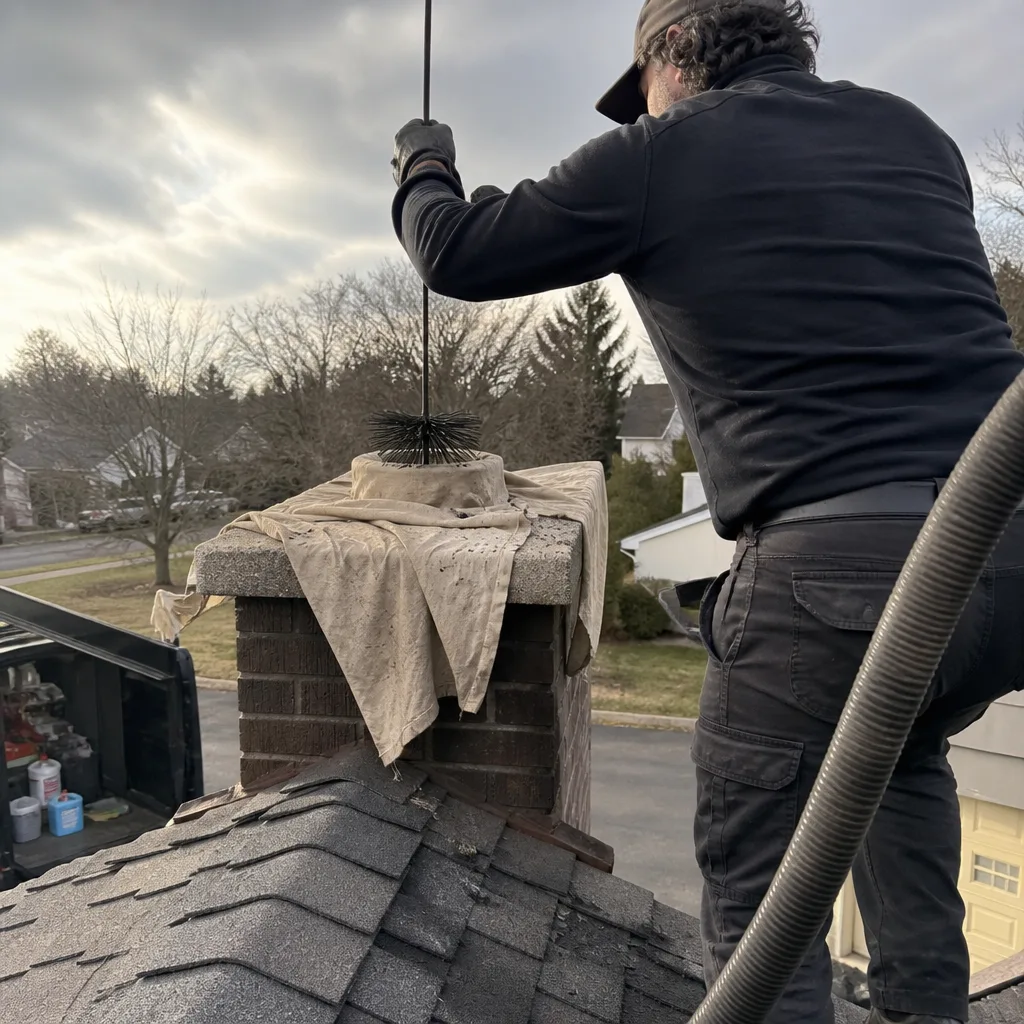
The phrase “code-compliant” appears on chimney service invoices with increasing frequency, and its meaning has become diluted to the point of uselessness. Here’s what it actually signifies - and what it does not.
“Code-compliant” means: The work performed meets the requirements of the PA UCC as adopted by the local township, including referenced standards (IRC Chapter 10, NFPA 211, manufacturer installation instructions for listed components). For cleaning specifically, this is a narrow claim: the flue was cleared of obstructions and deposits to the extent required for safe operation of the connected appliance, and the work was performed by personnel qualified to recognize conditions that require further action.
“Code-compliant” does NOT mean: The entire chimney system is free of defects, the liner is suitable for all future appliance changes, or no permit-triggering work is needed. Cleaning can be code-compliant while revealing that liner replacement is required. The compliance applies to the cleaning, not a blanket certification of the system.
We’ve reviewed competitor invoices from Collegeville-area sweeps that stamp “code-compliant” at the bottom of every receipt, with no reference to which code, which edition, or which aspects were verified. That stamp is meaningless without specificity. Our invoices state exactly what was performed (“NFPA 211 Level 2 inspection and chimney sweep, Class II creosote removal, flue condition documented per Clause 4”) and what was found (“clay tile liner, 8″ x 12″, joints intact, minor spalling at third course, monitor annually”).
For homeowner’s insurance purposes, the distinction matters. An insurer may deny a claim if “code-compliant” was claimed broadly but the actual defect (a failed liner, for example) was documented and not addressed. Specificity protects the homeowner. Vagueness protects no one.
When we recommend work - liner repair with HeatShield, crown rebuild, or cap replacement with Gelco or Famco components - we specify whether that work triggers permit requirements and include permit pull in our written price if it does. Haven Standard Clause 1 requires the full scope in writing before work starts; “code-compliant” without scope definition violates that clause.
The Paper Trail That Satisfies a PA Real Estate Attorney at Closing
Chimney condition disputes at Pennsylvania real estate closings follow a predictable pattern. The buyer’s inspector notes “recommend chimney inspection by qualified specialist.” The seller produces a receipt from a recent cleaning. The buyer’s attorney asks for documentation. The receipt proves insufficient. The closing is delayed, or a holdback is negotiated, or the seller pays for expedited inspection and potential repairs under time pressure.
The documentation that prevents this sequence is specific and cumulative:
- Level 2 inspection report with camera imagery, dated within 12 months of listing (or within the inspection contingency period). NFPA 211 recommends Level 2 at property transfer; Pennsylvania purchase agreements increasingly incorporate this recommendation as expectation.
- Written scope and price for any recommended work, with clear distinction between immediate safety concerns and monitor items. An attorney can negotiate monitor items; safety concerns typically must be addressed.
- Completed work documentation with permit numbers if permits were required, manufacturer specifications for installed components, and warranty terms. For liner work, this includes the liner sizing calculation and appliance compatibility verification.
- Annual maintenance record if the chimney has been in active use, demonstrating ongoing care rather than pre-sale bandaging.
We’ve provided documentation packages for Collegeville home sales in Perkiomen Township, Skippack, and Limerick that satisfied buyer attorneys without additional inspection. The key element in each case was the dated photo record from Clause 4, showing flue condition over time rather than a single snapshot. A Limerick sale in 2023 involved a 1987 colonial with original clay liner; our documentation showed stable condition across five annual inspections, and the buyer’s attorney accepted this as sufficient evidence that no immediate liner replacement was required.
Conversely, we’ve been called to provide expedited Level 2 inspections when sellers had only generic cleaning receipts. In those cases, we find the same thing: the receipt proves payment, not condition. The camera reveals what the receipt cannot. Under time pressure, sellers often accept our written price on the spot rather than risk closing delay - but they’re paying for urgency they could have avoided with prior documentation.
Our Free Second Opinion on any written estimate extends to pre-sale documentation. Bring us a competitor’s inspection report and we’ll review it against what NFPA 211 actually requires, at no charge. We’ve identified missing camera documentation, omitted liner sizing verification, and unsupported “must replace” recommendations that served the sweep’s revenue, not the seller’s interest.
Collegeville-Specific Considerations: Climate, Codes, and Common Finds
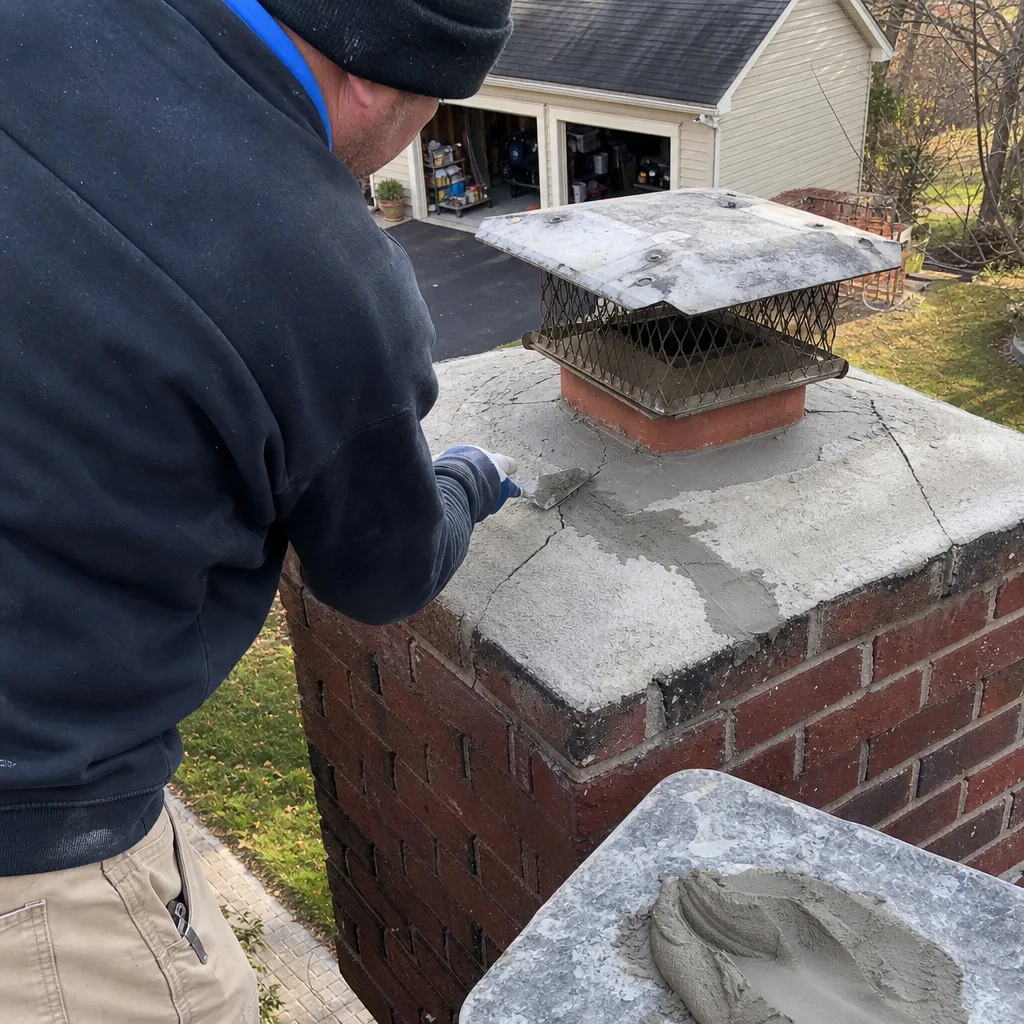
Collegeville sits at the transition between Pennsylvania’s Piedmont and Atlantic Coastal Plain provinces, with freeze-thaw cycles that are moderate compared to the Poconos but more pronounced than Philadelphia’s urban heat island. This matters for chimney condition in specific ways we’ve documented across thousands of local inspections.
Freeze-thaw damage pattern: Collegeville’s average 24 freeze-thaw cycles annually (temperature crossing 32°F in a 24-hour period) produce crown cracking and brick spalling at rates higher than Philadelphia but lower than Allentown. We see most crown deterioration in homes built 1985-2005 with poured concrete crowns that lacked proper overhang or drip edge. A cracked crown in Collegeville typically allows water entry that accelerates through March and April; by October, the underlying brickwork shows spalling. Cleaning season - September through November - often reveals this damage when homeowners are preparing for first fire.
Local fuel mix and creosote: Collegeville’s housing stock includes a higher proportion of supplemental wood-burning (fireplace inserts and standalone stoves) than pure heating dependence. This produces Class II creosote - flaky, easily removed - more often than Class III glazed deposits, which form from slow, smoldering fires in primary heating appliances. However, the popularity of outdoor wood boilers in Perkiomen Township and rural Skippack has increased Class III findings in connected indoor chimney systems. We classify creosote type during every cleaning and document it; the classification determines cleaning method and frequency recommendation.
Township variation: As noted, Collegeville addresses span two townships with different permit interpretations. Perkiomen Township’s building department, located in Schwenksville, tends to require permits for any work involving appliance connection modification, including insert installation and liner termination changes. Upper Providence, with offices in Trappe, focuses structural permit requirements on crown rebuilds exceeding 50% replacement and any work affecting chimney height or clearance to combustibles. We maintain current contact with both departments and confirm permit requirements in writing before quoting work that may trigger them.
Neighborhood-specific patterns: In the Providence Oaks and Township Line Road developments, built 1998-2008, we regularly find factory-built metal chimneys with deteriorated chase covers - the metal top that keeps water out of the chase enclosure. These are not traditional masonry crowns, and permit requirements for chase cover replacement vary by whether the replacement involves structural modification. In the older homes near Ursinus College and along Main Street, unlined brick chimneys are common, and liner installation is almost always permit-triggering work that also requires NFPA 211 clearance verification to combustible framing.
Climate timing: Collegeville’s position in the Schuylkill River valley produces slightly higher humidity than surrounding uplands, which extends drying time for crown repairs and liner coatings. We schedule crown rebuilds with adequate cure time before first freeze, typically completing by mid-October for work that requires full curing. HeatShield liner restoration, which we apply in specific qualifying conditions, requires 24-48 hour cure before return to service; we factor this into scheduling for Collegeville’s fall demand period.
Common Mistakes to Avoid
- Assuming cleaning clears you for sale. A clean flue is not a documented flue. Pennsylvania purchase agreements increasingly reference NFPA 211 Level 2 inspection specifically; cleaning without documentation leaves you exposed to pre-closing renegotiation.
- Ignoring township-specific permit requirements. Perkiomen and Upper Providence interpret the same UCC language differently. A sweep who works across Montgomery County without confirming current township practice may perform permit-triggering work without permits, creating liability that surfaces at sale or claim time.
- Accepting “code-compliant” without specificity. Vague compliance claims on invoices provide no protection in disputes. Insist on reference to specific standards, specific findings, and specific scope.
- Skipping camera documentation to save money. The $30-$50 difference between basic cleaning and Level 2 documented inspection is recovered many times over if documentation prevents a second visit, supports an insurance claim, or satisfies a buyer’s attorney. Our Clause 4 archive has resolved disputes that would have cost thousands in expert testimony.
- Delaying cleaning until symptoms appear. Slow draft, smoke spillage, or odor are late indicators. In Collegeville’s freeze-thaw climate, water damage progresses silently through crown cracks; by the time you smell smoke where you shouldn’t, liner or masonry repair is likely needed - with permits, inspections, and higher cost than annual maintenance would have required.
- Permitting the homeowner, not the contractor. Some sweeps ask homeowners to pull their own permits. In Pennsylvania, the permit holder is responsible for code compliance; if you pull the permit and the work fails inspection, you own the deficiency. We pull permits in our name for all covered work, with our license and insurance backing the application.
- Treating all creosote as equal. Class I (soot), Class II (flakes), and Class III (glazed, tar-like) require different removal methods and indicate different burning practices. Misclassification leads to incomplete cleaning or unnecessary aggressive methods that damage liners. We classify and document on every job.
When to Call a Professional
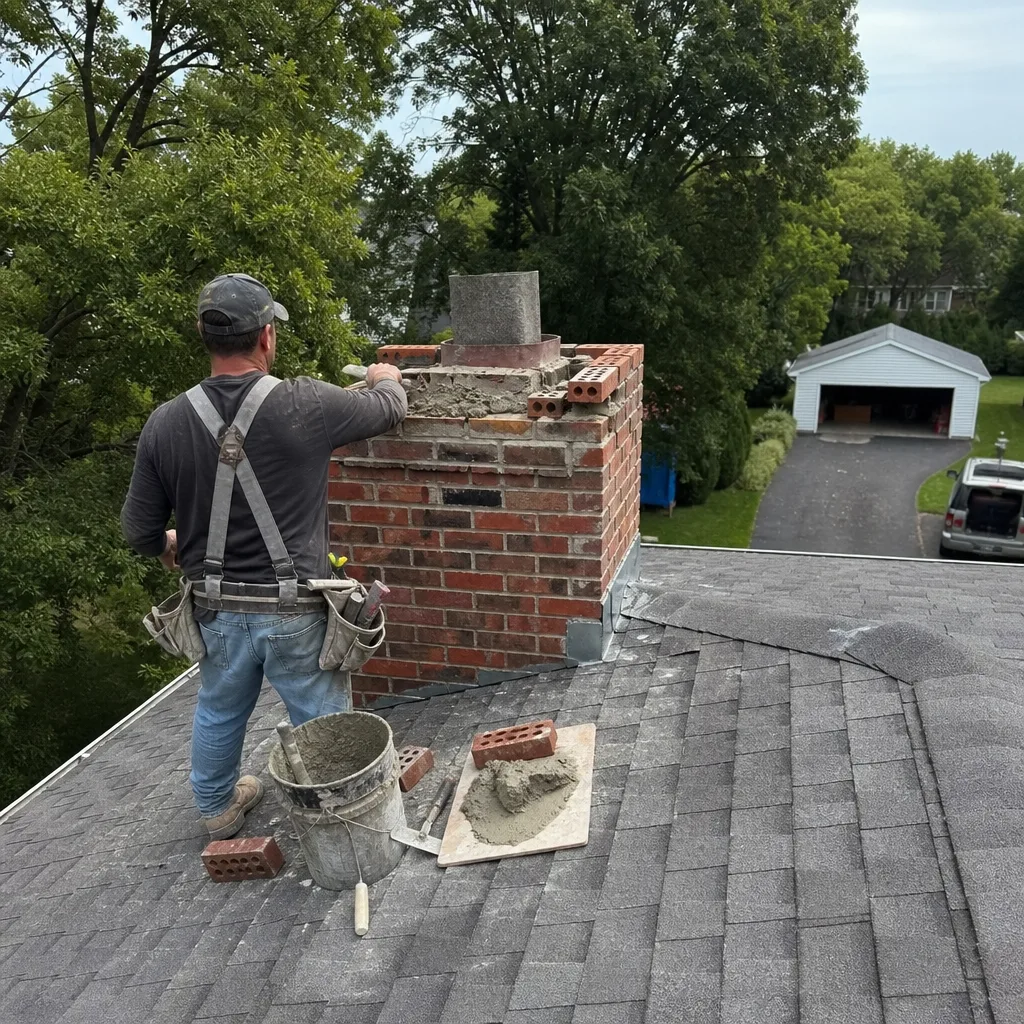
Call a qualified chimney professional when: your last inspection exceeds 12 months and you’re preparing for burning season; you’re listing your home for sale or under purchase contract; your insurer has requested condition documentation; you’ve changed appliances or fuel types; or you’ve noticed any change in draft performance, odor, or visible deterioration of exterior masonry. For permit-triggering work - liner replacement, crown rebuild, insert installation - confirm the sweep company pulls permits regularly in your specific township and documents work to NFPA 211 standards. Our Chimney Sweep Maintenance Checklist for Collegeville Homeowners includes permit verification as a key step.
Emberly Chimney Cleaners Collegeville offers free estimates in Collegeville and surrounding Montgomery County communities - call (610) 884-0366. Every estimate includes a written price, written scope, and written warranty before any work begins, per Haven Standard Clause 1. We answer calls live, 24 hours a day, 7 days a week.
Frequently Asked Questions
No. Chimney sweeping - the removal of soot, creosote, and debris from a flue - is maintenance, not construction, and does not require a building permit under the PA UCC or any Montgomery County township amendment we’ve encountered. However, if cleaning reveals damage requiring liner replacement, crown rebuild, or other structural work, that subsequent work may trigger permit requirements depending on your township.
A Level 2 camera inspection with chimney sweep in Collegeville typically ranges from $249-$349, depending on flue accessibility, number of appliances served, and creosote classification. This includes the documented photo record required under Haven Standard Clause 4. A written price is provided before scheduling; we do not quote “starting at” ranges that change on arrival. Call (610) 884-0366 for an exact quote - estimates are free.
NFPA 211 recommends annual inspection; cleaning frequency depends on use and fuel. In Collegeville’s climate, with moderate freeze-thaw cycles and mixed supplemental wood-burning, most wood-burning fireplaces and inserts need annual cleaning. Gas appliances typically need inspection every 1-2 years with less frequent cleaning. Oil and pellet systems vary by appliance efficiency and fuel quality. We inspect first, then recommend cleaning based on actual deposit accumulation - not a calendar alone.
You need a new liner when the existing liner is damaged, improperly sized for the connected appliance, or absent - and when that condition creates a safety hazard (fire risk from gaps or cracks, or carbon monoxide risk from improper draft). We do not recommend liner replacement without camera documentation you can review yourself. In our experience, roughly 15% of Collegeville inspections reveal liner conditions that require replacement or restoration; another 20% show monitor conditions that may need future action. The remaining 65% clean satisfactorily without liner work. A Free Second Opinion on any competitor’s replacement recommendation is always available.
Skipped cleaning allows creosote accumulation, which restricts draft and increases chimney fire risk. Class III glazed creosote ignites at approximately 451°F - temperatures routinely reached in normal fireplace operation. Beyond fire risk, accumulated debris and moisture accelerate liner deterioration, particularly in Collegeville’s freeze-thaw climate where water enters through crown cracks and expands when frozen. The cost difference is stark: annual cleaning and inspection at $249-$349 versus liner replacement at $2,500-$5,500 plus permit and inspection fees. Visit our blog for more guides & resources on chimney safety, or call (610) 884-0366 to schedule before accumulation becomes hazardous.
In nearly all cases, yes. Our Level 2 inspection reports include date-stamped camera imagery, NFPA 211 standard reference, specific findings with classification, technician identification, and clear recommendations with timeline. This documentation package has satisfied Erie, State Farm, Allstate, and regional Pennsylvania insurers without requiring separate inspection. We maintain the Clause 4 photo archive so prior-year documentation is available if condition timing is questioned. If your insurer has specific requirements beyond standard NFPA 211 documentation, we can adapt our reporting format - call (610) 884-0366 to discuss.
A chimney sweep removes deposits from the flue. A chimney inspection evaluates the condition of the entire system - flue, liner, firebox, smoke chamber, damper, crown, cap, and exterior masonry - against NFPA 211 standards. NFPA 211 requires inspection before cleaning to determine if cleaning is needed and to identify conditions that require action beyond cleaning. At Emberly Chimney Cleaners Collegeville, we do not perform cleaning without inspection, and we do not perform inspection without documentation. The Chimney Sweep in Collegeville page details our combined process.
The Bottom Line
Chimney cleaning in Pennsylvania requires no permit, but it often reveals work that does - and the documentation from proper inspection prevents surprises at sale, claim, or renewal. The key distinctions are simple: sweeping is maintenance, alteration is construction, and only construction triggers permits. A Level 2 camera inspection with documented photo record satisfies NFPA 211, supports insurance requirements, and builds the paper trail that real estate attorneys accept. In Collegeville and across Montgomery County, the difference between a $249 annual maintenance visit and a $4,000 pre-closing scramble is often just whether the homeowner scheduled inspection before symptoms appeared. We pull permits when required, quote in writing before work starts, and archive every photo record under Haven Standard Clause 4. The call costs nothing; the delay might.
Written by Corrine Halstead, Owner at Emberly Chimney Cleaners Collegeville, serving Collegeville since 2009.